


Methamphetamine, also known as meth, is an extremely addictive and potent stimulant that has devastating effects on both the body and mind. Initially used for legitimate medical purposes, methamphetamine is now more commonly known for its recreational abuse and dangerous effects. The drug can cause severe psychological and physical harm, and its addiction can quickly spiral out of control. If you or a loved one is struggling with meth addiction, it’s crucial to understand the dangers and the importance of seeking treatment at a reputable Addiction Treatment Center Indiana like Ladoga Recovery Center.
What is Methamphetamine?
Methamphetamine, often referred to as meth, is a powerful and highly addictive stimulant drug. It is chemically similar to amphetamine, a drug used to treat attention deficit hyperactivity disorder (ADHD) and narcolepsy. Methamphetamine affects the central nervous system by increasing the levels of dopamine in the brain, leading to intense feelings of euphoria, increased energy, and heightened alertness.
Methamphetamine comes in several forms, including powder, crystals, and pills. It can be ingested, smoked, snorted, or injected, each method producing rapid, intense effects. The high from methamphetamine is short-lived, leading users to consume it repeatedly to maintain the desired effects, which can quickly lead to addiction.
The Dangers of Methamphetamine Addiction
Methamphetamine use poses numerous dangers to those who use it, often leading to devastating consequences. The dangers of methamphetamine addiction are not only immediate but also long-lasting. Here’s an overview of some of the key risks:
1. Severe Health Consequences:
-
- Heart Problems: Meth use can increase heart rate and blood pressure, leading to heart attacks, strokes, and other cardiovascular issues. Long-term use may also cause chronic heart disease.
- Neurological Damage: Meth causes long-term damage to the brain, affecting cognitive functions, memory, and emotions. It can also increase the risk of seizures and cause psychosis, including hallucinations and paranoia.
- Respiratory and Kidney Damage: Prolonged use of meth can lead to lung damage, kidney failure, and other severe health problems, sometimes requiring lifelong treatment or even resulting in death.
- “Meth Mouth”: One of the most recognizable effects of methamphetamine addiction is severe dental decay, also known as “meth mouth.” It can result in tooth loss, gum disease, and permanent oral damage.
2. Psychological and Behavioral Effects:
-
- Psychosis and Paranoia: Methamphetamine affects the brain’s neurotransmitters, leading to altered perceptions, intense paranoia, hallucinations, and violent behavior.
- Aggressive Behavior: Methamphetamine abuse often results in erratic and violent behavior. This can have dangerous effects on relationships and lead to dangerous consequences for users and those around them.
- Severe Mood Swings: Users may experience extreme mood swings, from manic euphoria to deep depression, anxiety, and irritability.
3. Risk of Overdose:
-
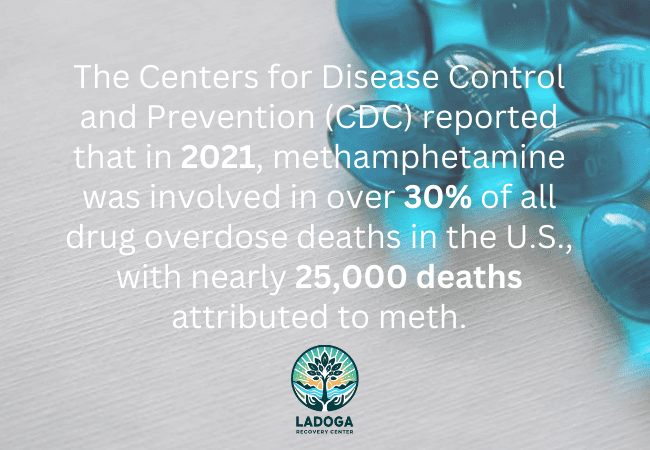
- Methamphetamine overdose is a serious risk and can lead to fatal consequences. Symptoms of overdose may include chest pain, confusion, difficulty breathing, seizures, or loss of consciousness. Emergency medical treatment is essential in such cases.
4. Addiction and Dependency:
-
- Methamphetamine is highly addictive. Individuals who use meth often develop a tolerance, requiring more of the drug to achieve the same effects. This leads to a cycle of increasing use and dependence. Withdrawal from meth can be intense and painful, with symptoms including severe depression, fatigue, and intense cravings.
Methamphetamine Use and Effects
When methamphetamine is used, it can lead to a range of short-term and long-term effects. Some of the immediate effects include:
- Increased energy: Users often feel hyperactive and have increased stamina.
- Euphoria and heightened mood: The release of dopamine creates intense feelings of pleasure and reward.
- Increased alertness and focus: Meth can make users feel like they are thinking more clearly or have enhanced concentration.
- Decreased appetite: Meth can suppress hunger, leading to significant weight loss over time.
- Increased physical activity: Many users become physically restless or engage in repetitive behaviors.
- Rapid breathing and increased heart rate: These effects can put added strain on the cardiovascular system.
Methamphetamine Side Effects
Methamphetamine use comes with both immediate and long-term side effects, many of which can be physically and psychologically damaging. Some of the most common side effects of methamphetamine include:
Mental Health Issues
-
- Anxiety and paranoia: Chronic meth use can lead to intense anxiety, panic attacks, and feelings of paranoia.
- Hallucinations and delusions: Prolonged use can cause users to experience auditory and visual hallucinations, as well as delusions (false beliefs).
- Violent behavior: Methamphetamine use is linked to increased aggression and violent tendencies, which can harm relationships and result in dangerous situations.
Physical Side Effects
-
- Severe weight loss: Due to appetite suppression, many meth users experience extreme weight loss, which can lead to malnutrition and muscle atrophy.
- Dental problems (meth mouth): One of the most recognizable effects of meth addiction is severe dental decay, leading to tooth loss, gum disease, and other oral health issues.
- Skin sores and infections: Meth use can cause users to pick at their skin, leading to open sores and increased risk of infection.
- Increased heart rate and blood pressure: This puts a significant strain on the cardiovascular system, leading to an increased risk of heart attacks and strokes.
- Liver, kidney, and lung damage: Chronic use can lead to damage to vital organs, and users may develop conditions like liver disease or kidney failure.
Cognitive Effects
-
- Memory loss and cognitive impairment: Long-term use of methamphetamine can cause irreversible damage to the brain, leading to memory loss, trouble concentrating, and cognitive decline.
- Impaired decision-making: Methamphetamine users often engage in risky behaviors, including unsafe sexual practices, driving under the influence, and committing crimes, which can lead to legal and personal consequences.
Why Treatment for Methamphetamine Addiction Is Crucial
Methamphetamine addiction is not only a matter of physical dependency but also emotional and psychological struggles. Recovering from meth addiction requires a comprehensive treatment approach that addresses both the physiological and psychological aspects of the disorder. At Ladoga Recovery Center, we understand the complexities of methamphetamine addiction and offer a range of addiction treatment programs to help individuals begin their journey to recovery.
Detox Treatment: The First Step in Recovery
Detoxification is the initial step in treating methamphetamine addiction. It involves the process of clearing the drug from the body under medical supervision. Detox treatment helps manage withdrawal symptoms, which can include severe fatigue, depression, anxiety, and intense cravings. The withdrawal process can be physically and emotionally challenging, but with the right medical support, individuals can detox safely and begin to move forward in their recovery.
During detox treatment, patients are monitored for any dangerous physical or psychological symptoms, and medical staff can administer medications or therapies to ease discomfort. This ensures that detox is as safe and comfortable as possible, giving individuals the foundation they need to enter further treatment programs.
Residential Treatment
After detox, individuals struggling with methamphetamine addiction often benefit from residential treatment, which provides a structured and supportive environment. This type of treatment allows individuals to live at the treatment facility for an extended period, ensuring they remain focused on recovery without the distractions or triggers of their daily lives.
Residential treatment offers many benefits:
- 24/7 Medical and Emotional Support: With medical staff and counselors on-site, individuals can receive constant care and monitoring, addressing both physical and emotional challenges.
- Therapeutic Services: Clients participate in individual therapy, group therapy, and family therapy to address the psychological aspects of their addiction. Cognitive Behavioral Therapy (CBT), Contingency Management, and other evidence-based therapies help individuals address the root causes of their addiction and develop healthier coping mechanisms.
- Holistic Approaches: Holistic therapies such as yoga, art therapy, and mindfulness practices help individuals heal emotionally and spiritually, fostering long-term recovery.
Inpatient Treatment
For individuals with severe or long-term addiction, inpatient treatment is often necessary. This intensive level of care offers individuals a higher level of support and supervision during the initial stages of recovery. Inpatient treatment provides a structured, immersive environment where individuals can focus on their recovery without distractions.
The goal of inpatient treatment is to provide a safe space for individuals to address their addiction while also helping them navigate any co-occurring mental health disorders, such as depression or anxiety. Inpatient treatment may include medical detox, therapy, recreational activities, and life skills training to help individuals transition back into society after treatment.
Long-Term Recovery and Aftercare Support
Addiction recovery is a lifelong journey, and long-term care is crucial to preventing relapse. After completing detox, residential treatment, or inpatient care, individuals benefit from ongoing substance abuse treatment in the form of outpatient programs, support groups, and aftercare services.
- Outpatient Treatment: This allows individuals to receive care while living at home, participating in therapy sessions and support groups that continue their recovery process.
- Support Groups and Recovery Meetings: Peer support is a critical component of long-term recovery. Individuals are encouraged to participate in support groups such as Narcotics Anonymous (NA) or SMART Recovery to stay connected to their recovery community and share experiences with others.
Treatment at Ladoga Recovery Center
At Ladoga Recovery Center, we are committed to providing effective and compassionate care for those struggling with methamphetamine addiction. Our comprehensive treatment programs, including detox treatment, residential treatment, and inpatient treatment, are tailored to meet the unique needs of each individual.
Our team of medical professionals, counselors, and addiction specialists is dedicated to helping individuals break free from meth addiction and begin a new chapter in their lives. We offer a safe, supportive environment where individuals can heal physically, mentally, and emotionally. Take the first step towards healing by reaching out today at (844)628-4917.Your path to a healthier, drug-free life begins here.
FAQ on Methamphetamine Addiction
What is methamphetamine and how is it used?
Methamphetamine is a highly addictive stimulant drug that affects the central nervous system. It can be ingested, smoked, snorted, or injected, and produces intense feelings of euphoria and energy.
What are the side effects of methamphetamine use?
Methamphetamine use can lead to severe side effects, including anxiety, paranoia, hallucinations, violent behavior, severe weight loss, dental problems, and increased risk of heart disease and stroke.
How does methamphetamine affect the brain?
Methamphetamine increases dopamine levels in the brain, leading to intense feelings of pleasure. However, over time, it causes lasting damage to brain cells and impairments in cognitive functions like memory and decision-making.
How long does it take to recover from meth addiction?
Recovery from methamphetamine addiction varies by individual, but detoxification typically takes several days to weeks. Long-term recovery requires comprehensive treatment including inpatient and outpatient programs, therapy, and support groups.
Can meth addiction be treated?
Yes, methamphetamine addiction is treatable. Effective meth addiction treatments include detoxification, residential treatment, behavioral therapy, and aftercare support. Treatment plans are tailored to each individual’s needs.