
Home » Levels of Care for Addiction Treatment near Indianapolis, indiana » Detox Treatment Programs near Indianapolis, Indiana » Alcohol Detoxification Program near Indianapolis, Indiana
If you’ve been drinking heavily, stopping suddenly can feel overwhelming—and in some cases, dangerous. Alcohol withdrawal isn’t just uncomfortable. It can lead to serious symptoms like seizures or delirium tremens without the right support. At Ladoga Recovery Center, our alcohol detox program in Indiana gives you a safe, medically supervised place to stabilize, so you’re not going through it alone.
Detox is the first step—not the full solution. For many people, continuing care is what makes long-term recovery possible. Our team helps you transition into the right level of care, whether that’s residential treatment or another structured program within our full continuum of care.
Alcohol detox is the process of allowing the body to eliminate alcohol while managing withdrawal symptoms. It’s the first step in recovery for individuals who have developed a physical dependence on alcohol. Since alcohol withdrawal can range from mild discomfort to life-threatening complications, medical supervision is often necessary to ensure a safe and comfortable detox process.
At Ladoga Recovery Center, our alcohol detox program provides 24/7 medical monitoring, evidence-based treatments, and compassionate care to support you through withdrawal and into long-term recovery.
Yes, alcohol withdrawal can be dangerous, and in some cases, life-threatening. Symptoms can include:
For these reasons, detoxing at home without medical supervision can be extremely risky. At Ladoga Recovery Center, we provide a medically supervised detox with a trained team of professionals who ensure your safety at every step.
At Ladoga Recovery Center, we provide 24/7 supervision, medication-assisted support, and compassionate care to guide you safely through alcohol detox and into lasting recovery.
📞 You Don’t Have to Detox Alone. Reach Out TodayDuring alcohol detox, your focus isn’t on doing more—it’s on stabilizing, resting, and letting your body safely adjust without alcohol. Each day is structured around your safety, comfort, and progress.
A typical day in detox may include:
In the early stages, most of your time is spent resting while your body adjusts. As symptoms begin to ease, our care team will be there to offer therapeutic support to help you prepare for the next phase of treatment.
We use a combination of medications, hydration, nutrition, and therapy to ease withdrawal symptoms, including:
Delirium Tremens (DTs) are the most severe and life-threatening form of alcohol withdrawal. It typically occurs 48-72 hours after the last drink and is characterized by severe confusion, hallucinations, fever, seizures, and dangerously high blood pressure. For more info, review our guide on delirium tremens.
Because DTs can progress rapidly and become fatal, medical supervision during alcohol detox is strongly recommended. At Ladoga Recovery, we provide:
✔ 24/7 medical monitoring to detect early warning signs
✔ Medication-assisted treatment (MAT) to prevent seizures and reduce symptoms
✔ IV fluids and nutrition to support the body during withdrawal
✔ A safe, controlled environment to minimize risks
If you or a loved one is at risk for severe withdrawal symptoms, do not attempt to detox alone. Contact Ladoga Recovery for safe and effective alcohol detox treatment.
Abruptly stopping alcohol consumption can lead to life-threatening arrhythmias, where the heart’s rhythm becomes dangerously irregular and may result in heart failure. This occurs because alcohol disrupts the delicate balance between GABA, an inhibitory neurotransmitter, and glutamate, an excitatory neurotransmitter, creating a complex biological response.
While some people attempt to quit drinking on their own, alcohol detox can be unpredictable and unsafe without medical support. You should seek medical detox if you:
✔ Have been drinking heavily for an extended period
✔ Have experienced withdrawal symptoms before
✔ Have underlying health conditions
✔ Have a history of seizures or delirium tremens
If you’re unsure whether you need medical detox, contact us for a confidential assessment.
Not sure whether your drinking has crossed into alcohol use disorder? Our guide to the signs of alcohol use disorder can help you make sense of what you are noticing.
Once detox is complete, most people benefit from additional treatment options such as:
At our Alcohol Addiction Treatment center in Indiana, we work with you to create a personalized recovery plan that meets your unique needs.
Ladoga Recovery Center offers a variety of comprehensive alcohol treatment programs to meet the unique needs of individuals seeking recovery. After completing our alcohol detoxification program, many people choose to enter long-term for greater success and support in recovery.
Residential Treatment Program: Our residential treatment program offers a structured, immersive environment where patients live on-site and receive round-the-clock care. This program focuses on intensive therapy, daily support, and community-building activities, helping individuals address the root causes of their addiction while developing healthy coping mechanisms for long-term recovery.
Inpatient Treatment Program: Inpatient treatment at Ladoga Recovery Center provides individuals with a higher level of care in a structured, therapeutic setting. Patients receive individualized treatment plans that include a combination of therapies, such as individual counseling, group therapy, and relapse prevention. The inpatient program allows patients to fully focus on their recovery without the distractions or stressors of everyday life.
Each of these programs is designed to offer the most effective care at every stage of recovery, helping individuals regain control of their lives and achieve lasting sobriety.
At Ladoga Recovery Center in Ladoga, Indiana, we provide compassionate, evidence-based detox treatment in a safe and supportive environment. Our alcohol detox program helps individuals manage withdrawal symptoms and begin their recovery journey with the care and supervision they need. If you or a loved one are seeking professional detox services to overcome alcohol addiction, contact us today to learn more or to schedule a visit.
To determine if your insurance covers alcohol detoxification treatment at Ladoga Recovery Center, start by contacting your insurance provider to ask about the details of your plan. You can also check your coverage online or consult your benefits handbook for more information. At Ladoga Recovery Center, our team is dedicated to assisting you in understanding your insurance options and identifying which services are covered. We aim to simplify the process so you can concentrate on receiving the care you need.
If you or a loved one needs alcohol detox, you don’t have to face it alone. At Ladoga Recovery Center, we provide safe, medically supervised detox to help you take the first step toward recovery.
At Ladoga Recovery Center, we strive to make the admission process for alcohol addiction treatment straightforward and supportive. It starts with an initial consultation where our team assesses your mental health needs and treatment history. This evaluation helps us create a personalized treatment plan tailored to you. Afterward, our admissions team will assist with paperwork, coordinate with your insurance provider, and answer any questions to ensure a smooth transition into treatment.
Detoxing at home can be dangerous because of risks like seizures or delirium tremens (DTs). At Ladoga Recovery, we provide 24/7 medical supervision, comfort medications, and emotional support so you can begin recovery safely.
Most clients complete alcohol detox in 5–7 days, though the exact length depends on how long and how heavily you’ve been drinking. We adjust care to fit your body’s needs.
Yes. Many clients come from nearby cities like Indianapolis, Lafayette, and Crawfordsville because our smaller setting in Ladoga offers privacy, safety, and personalized care.
Symptoms may include sweating, anxiety, nausea, insomnia, and tremors. More severe cases can involve hallucinations or seizures, which is why medical supervision at Ladoga Recovery is so important.
Detox is only the first step. Afterward, clients usually transition into residential or outpatient treatment to learn healthier coping strategies and prevent relapse.
Most Indiana insurance plans cover medical detox. Our admissions team can quickly confirm your benefits before you arrive.
The cost of alcohol addiction treatment varies depending on the program type, duration, and services provided. At Ladoga Recovery Center, we strive for transparency and accessibility for everyone. We proudly serve all individuals, regardless of socioeconomic status. Addiction does not discriminate, and neither do we. Our doors are open to anyone in need of help—we are that provider, offering care and support to all.
To understand the costs tailored to your needs, please contact our admissions team. They will discuss your options and any available financial assistance to ensure you receive the care you need. For more information, call us at (888)628-6202 or visit our location today.
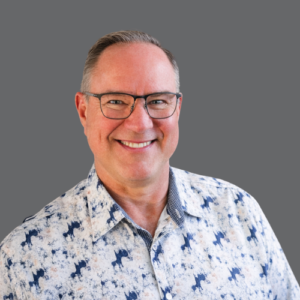
Tim Grzeskiewicz was raised in the Washington, DC Metro area and completed High School in Fairfax County Virginia before entering the United States Marine Corps where he achieved the rank of Seargent before being honorably discharged. Tim has worked several careers over the years, with his move into mental health and addictions being his final transition, which he refers to as his “move from success to significance”. Tim completed his undergraduate studies at Indiana University, graduating with honors and attending Huntington University for graduate school. Tim’s passion for the addictions population comes from his own experience with substance use issues and is currently a sober man in recovery with over 27 years of sobriety. Tim’s hope is to lead others in love and service to the sick and suffering.

With over 25 years of experience in healthcare and more than a decade dedicated to nursing practice, Mandy brings a wealth of knowledge, leadership, and compassion to her role as Director of Nursing at Ladoga Recovery. She earned her Bachelor of Science in Nursing from Indiana University Northwest and has built a career spanning diverse clinical settings, developing expertise in patient-centered care, clinical operations, and team development.
Mandy’s dedication to the field of addiction recovery is not only professional but also deeply personal. Having walked alongside loved ones in the throes of addiction, she understands firsthand the challenges, heartache, and hope that come with the journey of recovery. This perspective drives her passion to ensure that every patient is treated with dignity, empathy, and respect.
Specializing in substance use treatment and recovery support, Mandy is committed to fostering an environment where patients receive safe, evidence-based care during one of the most critical times in their lives. Her leadership style emphasizes collaboration, staff education, and adherence to best-practice protocols to ensure the highest quality of care.
Passionate about guiding both patients and staff toward growth and resilience, Mandy continues to be an advocate for recovery-focused healthcare that not only supports healing but also transforms lives.
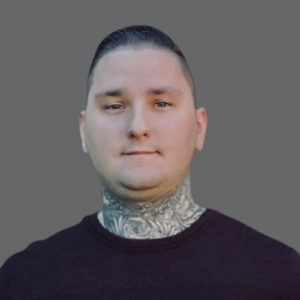
Ethan brings over six years of hands-on-experience in the substance abuse and mental health field, where he has built a career rooted in passion, resilience, and a deep commitment to helping other transform their live. Starting from an entry-level role and working his way up through the ranks, he’s gained a strong understanding of the challenges individuals face in recovery – both clinically and personally.
His journey in the SUD field has been fueled by a genuine passion for supporting individuals as they confront addiction and mental health struggles. He takes pride in meeting people where they are, creating a safe and supportive environment, and helping them recognize their own potential. Whether through patient facing positions or leadership roles, he has strived to show every individual that recovery is not only possible but within reach.
Throughout his career, he’s been recognized for his ability to lead with integrity, build trust, and foster growth – not only in the clients he’s served but also in the team’s he’s worked with as well. Ethan believes in leading by example, staying grounded in empathy, and always advocating for those who may not yet have the strength to advocate for themselves. Helping other discover their own path to recovery is more than a job to him, it’s a calling. Every step forward that he witnesses in someone else’s life journey reaffirms why he does this work and will be committed to this mission for years to come.

Cristina Monnett is an HR professional with over 12 years of experience supporting teams in manufacturing and healthcare. She partners closely with operations leaders in fast-paced, highly regulated environments to strengthen employee relations, ensure compliance, and implement practical, real-world people strategies. Cristina is passionate about creating workplaces where employees feel supported and organizations run smoothly.
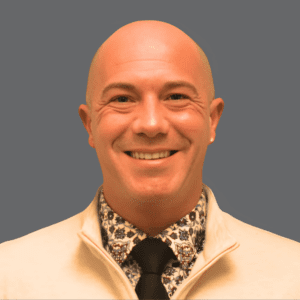
Shane Austin is a dedicated behavioral health professional, bringing a wealth of experience in the field of substance use disorder treatment. As a lifelong resident of Indiana and an alumnus of the Indiana University, Shane embodies a profound sense of empathy and understanding, deeply rooted in his own transformative four-year journey of recovery. This personal experience fuels his passion and relentless commitment to inspiring individuals to embrace the treatment that leads to lasting sobriety and fulfilling lives. By connecting those in need with essential resources, Shane skillfully utilizes his knowledge and personal narrative to illuminate the path to recovery for others, empowering them to embark on their own successful journeys.
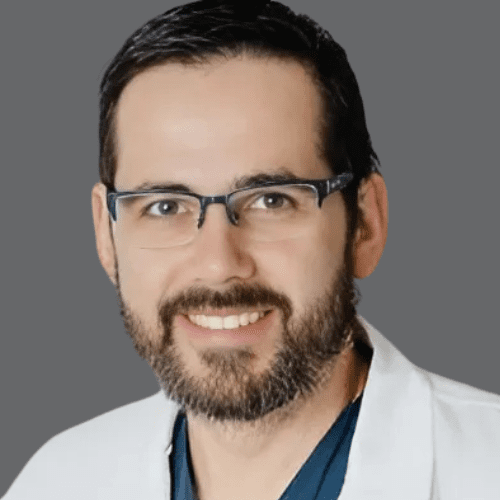
Dr. William Cooke is the Medical Director of Ladoga Recovery Center, an inpatient facility dedicated to providing comprehensive and compassionate care for individuals struggling with substance use disorders. With over two decades of experience in addiction medicine, Dr. Cooke leads the clinical team at Ladoga Recovery Center with a focus on evidence-based practices and patient-centered care.
As a board-certified expert in both Family Medicine and Addiction Medicine, Dr. Cooke brings a holistic approach to treatment, integrating medical, psychological, and social support to address the complex needs of individuals on their journey to recovery. Under his leadership, Ladoga Recovery Center emphasizes a “whole-person” philosophy, ensuring that each patient receives tailored treatment plans that foster long-term recovery and overall well-being.
Dr. Cooke is also a Fellow of the American Society of Addiction Medicine (ASAM), reflecting his commitment to advancing the field of addiction medicine through continuous learning, advocacy, and collaboration. At Ladoga Recovery Center, he is dedicated to creating a safe, supportive, and effective environment where patients can begin their path to healing.

As Executive Director of Ladoga Recovery Center, Brian Foster brings nearly a decade of experience in behavioral health, specializing in substance use disorder and co-occurring mental health treatment. With a diverse background spanning from inpatient detox and residential care, sober living, outpatient treatment, and both the for-profit and nonprofit sectors, Brian is dedicated to creating comprehensive, holistic treatment programs. Holding a Business degree from Indiana University and graduate degree from Indiana Wesleyan University, Brian combines a strong foundation in business with a personal commitment to recovery, using his own experience to inspire and support others on their journeys. This broad background enables Brian to approach leadership with a well-rounded perspective on the complex needs of individuals in Recovery.
As a person in long-term Recovery, Brian is proud to lead a team that makes a meaningful impact on the lives of those struggling with addiction and helping them rebuild relationships with their loved ones. Living in Fishers, IN, with a supportive wife and two wonderful daughters, family is the heart of Brian’s life, bringing a deep commitment to building a community where individuals can find hope, healing, and a path forward.