

Helping an addict is one of the most challenging and emotional experiences you may face, but it is also one of the most impactful things you can do for someone struggling with substance abuse. Addiction can affect every aspect of an individual’s life, including relationships, work, and health. If someone you love is battling addiction, understanding the right approach and available resources can make a significant difference in their recovery.
At Ladoga Recovery Center, we understand how overwhelming it can be to support someone going through addiction. This blog will guide you through how to help an addict effectively while maintaining your own well-being. We’ll also explain the various treatment options available, such as detox treatment, residential treatment, inpatient treatment, and substance abuse treatment programs.
1. Recognize the Signs of Addiction
Before you can help an addict, it’s important to recognize the signs of addiction. These can vary depending on the substance being used but typically include:
Recognizing the signs of addiction can be challenging, especially when someone you care about is in denial or hiding their behavior. However, understanding the key indicators can help you take the first steps in offering support. Some common physical, behavioral, and emotional signs of addiction include:
- Physical Signs: Weight fluctuations, bloodshot eyes, slurred speech, unkempt appearance, frequent nosebleeds (for those using substances like cocaine), and the smell of alcohol or drugs on their breath or clothing.
- Behavioral Signs: Secretive behavior, neglecting responsibilities at work, school, or home, withdrawing from social activities, or acting recklessly. You may also notice changes in sleeping patterns, such as insomnia or oversleeping.
- Psychological Signs: Anxiety, depression, paranoia, mood swings, irritability, and difficulty concentrating. Often, an addict may experience feelings of guilt or shame, which they may try to hide by using substances more frequently.
By paying attention to these signs, you can help the person realize their struggle and intervene at an earlier stage, which increases the chances of a successful recovery.
2. Encourage Professional Help
Addiction is a medical condition that requires professional care. Substance abuse treatment programs at a professional addiction treatment center, like Ladoga Recovery Center, can provide the necessary support to help an addict get on the path to recovery.
There are several types of treatment programs available for addiction recovery, depending on the severity of the addiction:
- Detox Treatment: Detoxification, or detox treatment, is often the first step in addiction recovery. It helps remove harmful substances from the body and manage withdrawal symptoms safely. Medical detox in a residential treatment setting ensures that patients are monitored by professionals throughout the process, reducing the risk of complications.
- Inpatient Treatment: For individuals with severe addiction, inpatient treatment provides a structured environment where they can focus entirely on recovery. It offers a safe, controlled setting with 24/7 care and access to therapy, counseling, and support groups.
- Residential Treatment: Residential treatment programs provide long-term support in a live-in facility, often ranging from 30 days to several months. These programs allow individuals to immerse themselves in recovery, participating in therapy and life skills training, all while being away from environments that may encourage substance use.
3. Learn How to Approach an Addict
Talking to an addict about their problem can be difficult. It’s essential to approach the conversation with empathy and without judgment. Here are a few tips on how to have a productive conversation:
- Choose the Right Time: Don’t try to talk to the person when they are intoxicated. Wait for a time when they are sober and receptive to the discussion.
- Use “I” Statements: Focus on how their behavior affects you, rather than blaming or criticizing them. For example, say, “I am worried about your health,” rather than “You’re ruining your life with drugs.”
- Be Compassionate and Non-Judgmental: Addicts often feel ashamed or guilty about their behavior. Avoid making them feel worse and instead provide a sense of understanding and support.
- Offer Support: Let them know that you are there to support them, but also make it clear that you will encourage them to seek professional help.
4. Create a Plan for Intervention
If a loved one is resistant to seeking help, an intervention may be necessary. An intervention is a structured conversation where friends, family, and sometimes professionals come together to express their concerns about the addict’s behavior and encourage them to seek treatment. If you are considering an intervention, here are a few steps to follow:
- Prepare the Team: Involve close family members, friends, and professionals who are supportive of the person’s recovery.
- Set a Date and Location: Choose a time and place where the addict feels comfortable, but where they won’t have the opportunity to leave or avoid the discussion.
- Plan What to Say: Each person should prepare what they plan to say in advance. Focus on expressing love and concern, not anger or judgment.
- Encourage Treatment Options: Present options for substance abuse treatment programs, such as detox treatment, inpatient treatment, or residential treatment. Be prepared to help them take the first steps toward getting treatment.
5. Support Their Recovery Journey
Once your loved one has entered a treatment program, your role in their recovery is far from over. Here’s how you can continue to support them:
- Encourage Ongoing Treatment: Recovery doesn’t end with detox treatment or inpatient care. Substance abuse treatment often involves ongoing therapy, support groups, and aftercare services. Encourage your loved one to continue participating in these programs to help prevent relapse.
- Be Patient: Recovery takes time, and setbacks are a normal part of the process. Be patient and understanding as your loved one works through their challenges.
- Set Boundaries: It’s essential to set clear boundaries for your own well-being. This might include not enabling their addiction by providing money or covering up for their behavior. Boundaries help protect you and encourage them to take responsibility for their actions.
6. Take Care of Yourself
Supporting an addict can take a toll on your emotional and physical well-being. It’s essential to take care of yourself so that you can provide the best support possible. Consider joining support groups like Al-Anon or Nar-Anon, which are designed for family and friends of addicts. These groups provide resources, emotional support, and a sense of community.
How to Approach Someone Struggling with Addiction
Approaching a loved one about their addiction can be one of the most difficult steps, but it’s essential to do so with care, compassion, and a non-judgmental attitude. Here are some guidelines on how to effectively approach someone struggling with addiction:
- Choose the Right Time and Setting: Timing and environment matter. Pick a moment when your loved one is sober and calm, and choose a private, quiet place where you won’t be interrupted. Avoid confronting them when they are intoxicated or agitated.
- Use “I” Statements: Rather than accusing or blaming, speak from your perspective. For example, “I’ve noticed you’ve been struggling lately, and I’m worried about your health” is more effective than saying “You’ve ruined everything because of your drinking.”
- Be Compassionate and Non-Judgmental: Addiction is a disease, and the person may feel shame or guilt about their behavior. Approach them with empathy, focusing on their well-being, and avoiding criticism or anger.
- Offer Support and Solutions: Let your loved one know that you’re there for them and that seeking professional help can make a difference. Offer to help them find treatment programs, such as substance abuse treatment or residential treatment. Reassure them that it’s okay to ask for help and that recovery is possible.
The Role of Family in Recovery
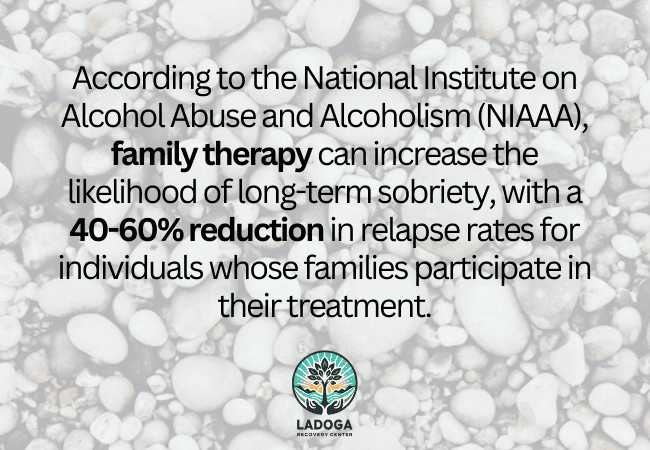
Family plays a critical role in addiction recovery. Their support can significantly impact the success of treatment and long-term sobriety. Here’s how family members can assist in the recovery process:
- Emotional Support: Offering consistent encouragement and reassurance can help an addict stay motivated. It’s important to let your loved one know that they are not alone in their recovery journey.
- Setting Boundaries: While offering support is crucial, it’s equally important to set clear and healthy boundaries. For example, it may involve not enabling their addiction by covering for them or providing money. Boundaries can help prevent relapse and encourage personal responsibility.
- Participating in Therapy: Family therapy is often part of addiction treatment programs, where family members learn how to communicate better, heal from past hurts, and understand addiction. Participating in these sessions can help strengthen family relationships and create a more supportive home environment.
- Being Patient: Recovery is a process, and it often involves setbacks. Be patient with your loved one, and understand that addiction is a chronic illness that may require ongoing care and effort. Celebrate their small victories and encourage them to keep moving forward.
When to Seek Professional Help
Knowing when to seek professional help can be difficult. In many cases, people struggling with addiction deny that they need treatment or resist getting help. However, there are signs that indicate it’s time to seek professional intervention:
- When Addiction is Impacting Daily Life: If the addiction is interfering with your loved one’s ability to work, maintain relationships, or fulfill basic responsibilities, it’s time to get help. Addiction often causes issues with physical health, emotional well-being, and social life.
- When the Person is Unable to Stop Using Despite Efforts: If your loved one has tried to quit on their own but is unable to do so, this may indicate the need for professional treatment. Detox treatment and inpatient treatment programs can help individuals safely withdraw from substances and begin their recovery journey.
- When the Person’s Safety is at Risk: If your loved one’s behavior has become dangerous or reckless (e.g., driving under the influence, engaging in risky activities, or having suicidal thoughts), professional intervention is critical. Substance abuse treatment in a medical setting can help manage withdrawal symptoms safely and provide 24/7 care.
- When You’ve Tried to Help, but They Refuse: If your loved one consistently refuses to seek help, you might need professional assistance, such as an intervention. Professional counselors or addiction specialists can help guide you through this process and offer solutions for encouraging treatment.
Taking the First Step Toward Recovery
The first step toward recovery is often the hardest, but it’s also the most important. If your loved one is ready to accept help, here’s how you can support them in taking that step:
- Encourage Seeking Treatment: Discuss the available treatment options, including detox treatment, inpatient treatment, and residential treatment. At Ladoga Recovery Center, we offer a range of services that provide personalized care to help individuals regain control over their lives.
- Make the Process Easier: Offer to help with the logistics, such as researching treatment centers or accompanying your loved one to their first appointment. The less they have to worry about, the more likely they are to take the first step.
- Stay Positive and Supportive: Let them know that recovery is possible, and that seeking help is the first step toward a brighter future. Remind them that the journey may not be easy, but with support, treatment, and determination, they can succeed.
Taking the first step toward recovery can be life-changing. Whether they choose residential treatment or substance abuse treatment programs, the road to recovery begins with acknowledging the problem and seeking professional support.
Conclusion
Helping an addict is not easy, but with the right approach, support, and professional guidance, it is possible for them to recover and rebuild their lives. Detox treatment, residential treatment, and inpatient treatment programs are crucial in providing the necessary support to break free from the cycle of addiction. If someone you love is struggling with addiction, reach out to Ladoga Recovery Center today to explore the best treatment options for their needs. You don’t have to face this challenge alone—recovery is possible with the right resources and a commitment to change. Take the first step towards healing by reaching out today at (888)628-6202.Your path to a healthier, drug-free life begins here.
FAQ on How to Help an Addict
What are the signs that someone may be struggling with addiction?
The signs of addiction can include physical symptoms such as weight fluctuations, bloodshot eyes, and slurred speech. Behavioral changes such as withdrawal from social activities, neglecting responsibilities, or acting recklessly may also indicate addiction. Psychological signs include anxiety, depression, mood swings, and irritability.
How can I help someone who is struggling with addiction?
To help someone with addiction, approach them with empathy and understanding. Use “I” statements, avoid judgment, and offer your support in finding treatment options like detox or inpatient treatment programs. Setting healthy boundaries and participating in family therapy can also support the recovery process.
When should I seek professional help for a loved one with addiction?
You should seek professional help when addiction is affecting your loved one’s daily life, when they’re unable to stop using despite efforts, or when their safety is at risk. Professional treatment centers can offer detox programs and inpatient care to support their recovery.
What is the role of family in addiction recovery?
Family plays a critical role in the recovery process by providing emotional support, setting healthy boundaries, and participating in therapy sessions. Family involvement helps create a supportive environment for the individual in recovery and can strengthen relationships.
How can I support someone in taking the first step toward recovery?
Encourage your loved one to seek treatment by discussing the benefits of detox, inpatient, or residential treatment programs. Offer to help with the logistics of getting started and reassure them that seeking help is a crucial first step in the recovery journey.