


Alcohol is widely consumed in social settings, but its long-term effects on the brain can be devastating, particularly when it comes to memory. Chronic alcohol use can impair the brain’s ability to form, retain, and recall memories, sometimes leading to permanent cognitive decline. Memory loss related to alcohol is more than forgetfulness—it can significantly impact relationships, careers, and daily functioning.
This article delves into the connection between alcohol and long-term memory loss, the signs and causes of alcohol-related cognitive decline, and how professional treatment programs, including Detox Treatment, Residential Treatment, Inpatient Treatment, and Alcohol Rehab, can help individuals recover.
How Alcohol Affects the Brain and Memory
Alcohol has a profound impact on the brain, disrupting critical processes necessary for memory formation, storage, and retrieval. These effects vary based on the duration and intensity of alcohol use, but chronic abuse can lead to significant and often irreversible cognitive impairments. Understanding how alcohol interacts with the brain is crucial for recognizing and addressing alcohol-related memory issues.
1. Disruption of Neurotransmitters
Neurotransmitters are chemicals that transmit signals between brain cells. Alcohol disrupts the balance of neurotransmitters, particularly:
- Glutamate: Essential for learning and memory, alcohol reduces glutamate activity, impairing the brain’s ability to form new memories.
- GABA: Alcohol increases GABA activity, creating a sedative effect that slows brain function and hinders memory processing.
2. Damage to the Hippocampus
The hippocampus, a critical part of the brain responsible for forming and organizing memories, is highly sensitive to alcohol.
- Acute alcohol use can temporarily impair the hippocampus, leading to memory lapses or blackouts.
- Chronic alcohol abuse can cause long-term damage, reducing the hippocampus’s size and functionality, which affects the ability to recall events and learn new information.
3. Brain Atrophy (Shrinkage)
Prolonged alcohol consumption leads to brain shrinkage, particularly in areas associated with memory and executive function.
- The frontal lobe, which controls decision-making and memory, is often one of the most affected regions.
- Brain shrinkage is linked to reduced cognitive abilities, including memory loss, confusion, and difficulty concentrating.
4. Nutritional Deficiencies
Alcohol impairs the body’s ability to absorb essential nutrients, particularly thiamine (Vitamin B1), which is vital for brain health.
- Thiamine deficiency is a significant factor in the development of Wernicke-Korsakoff Syndrome, a severe condition characterized by memory loss, confusion, and motor dysfunction.
- Proper nutrition and supplementation can help mitigate some effects if addressed early.
5. Neuroinflammation
Chronic alcohol use triggers inflammation in the brain, which can damage neurons and disrupt communication pathways.
- This inflammation contributes to both short-term memory lapses and long-term cognitive decline.
6. Reduced Neuroplasticity
Neuroplasticity is the brain’s ability to adapt and form new neural connections. Alcohol reduces neuroplasticity, making it harder for the brain to recover from injuries or adapt to new learning.
Types of Alcohol-Related Memory Loss
Alcohol-related memory loss can manifest in different ways, ranging from temporary lapses to permanent cognitive impairments. The severity and type of memory loss depend on factors such as the amount and frequency of alcohol consumption, age, and overall health.
1. Blackouts
Blackouts occur during episodes of heavy drinking, where alcohol temporarily inhibits the brain’s ability to form new memories.
- Fragmentary Blackouts: Individuals may recall certain parts of an event but have gaps in their memory.
- En Bloc Blackouts: Entire periods of time are completely lost, with no chance of recovery.
Causes:
- High Blood Alcohol Concentration (BAC), often due to rapid or excessive consumption.
- Impaired activity in the hippocampus prevents memory formation.
Consequences:
- Risky behaviors during blackouts, such as unsafe driving or unprotected sex, with no memory of these actions.
- Emotional distress and confusion upon realizing memory gaps.
2. Short-Term Memory Impairments
Short-term memory is the brain’s ability to hold and use information temporarily. Alcohol can disrupt this process, making it difficult to recall recent events or conversations.
- Symptoms: Forgetting where you placed objects, missing appointments, or being unable to follow through with tasks.
- Causes: Alcohol’s sedative effects slow down cognitive processing, reducing the brain’s ability to encode and retrieve short-term information.
3. Long-Term Memory Loss
Prolonged alcohol abuse can lead to difficulty recalling past events or learning and retaining new information. Over time, these impairments may progress to alcohol-related dementia.
- Symptoms: Trouble recalling significant life events, such as birthdays or important milestones.
- Causes: Damage to the hippocampus and other brain regions involved in memory storage.
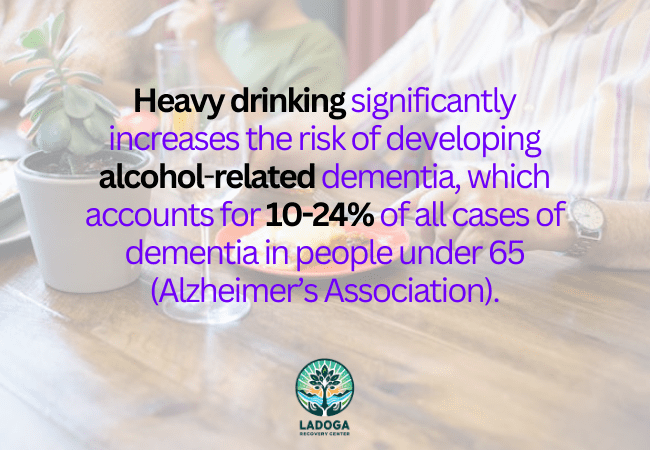
4. Alcohol-Related Dementia
Chronic alcohol use can cause a condition similar to Alzheimer’s disease, characterized by severe cognitive decline and memory loss.
- Symptoms: Persistent confusion, personality changes, and the inability to recognize familiar people or places.
- Causes: Brain atrophy, neuroinflammation, and prolonged nutritional deficiencies.
5. Wernicke-Korsakoff Syndrome (WKS)
This severe condition is caused by a lack of thiamine (Vitamin B1), often due to poor nutrition and prolonged alcohol use.
- Wernicke’s Encephalopathy: Acute symptoms include confusion, coordination problems, and vision disturbances.
- Korsakoff Psychosis: Chronic symptoms involve significant memory gaps, hallucinations, and difficulty forming new memories.
Reversibility:
- Early intervention with thiamine supplementation can improve symptoms, but untreated WKS often leads to permanent damage.
Signs of Alcohol-Related Memory Loss
Recognizing the signs of memory loss early can help prevent further cognitive decline. Symptoms include:
- Difficulty recalling recent events or conversations.
- Frequent blackouts or memory gaps during drinking episodes.
- Forgetting familiar faces, places, or routines.
- Struggling to retain new information.
- Behavioral changes, such as irritability, apathy, or confusion.
Can Memory Be Recovered After Alcohol Addiction?
While some damage caused by alcohol may be irreversible, memory and cognitive function can often improve with sustained sobriety and professional care.
Steps Toward Recovery:
- Abstinence from Alcohol:
- Sobriety halts further damage to the brain and allows it to begin healing.
- Nutritional Support:
- Addressing deficiencies in thiamine and other nutrients can significantly improve cognitive function.
- Cognitive Rehabilitation:
- Brain-training exercises and therapies designed to enhance memory and learning abilities.
- Therapy and Support:
- Behavioral therapies help individuals develop coping mechanisms for emotional triggers and stress, reducing the risk of relapse.
- Consistency and Patience:
- Recovery takes time, as the brain’s neuroplasticity allows for gradual healing and adaptation.
The Role of Professional Treatment in Addressing Alcohol-Related Memory Loss
Professional treatment programs are essential for addressing both the physical and cognitive effects of alcohol addiction.
1. Detox Treatment
- Purpose: Safely removes alcohol from the body while managing withdrawal symptoms.
- Benefits: Reduces confusion and prepares the individual for further treatment.
- Why It’s Important: Withdrawal can exacerbate cognitive impairments, making medical supervision essential.
2. Residential Treatment
- Purpose: Provides a structured environment where individuals can focus entirely on recovery.
- Benefits: Includes therapies aimed at improving memory and cognitive function.
- Why It’s Important: Ensures individuals have access to comprehensive care, including mental health support.
3. Inpatient Treatment
- Purpose: Offers intensive, round-the-clock care for individuals with severe addiction or cognitive impairments.
- Benefits: Combines medical, psychological, and therapeutic interventions to address addiction and memory loss.
- Why It’s Important: Ideal for individuals with co-occurring conditions or advanced memory issues.
4. Alcohol Rehab Programs
- Purpose: Addresses the root causes of alcohol addiction and provides tools for long-term recovery.
- Benefits: Includes Cognitive-Behavioral Therapy (CBT), relapse prevention, and family support.
- Why It’s Important: Focuses on equipping individuals with skills to rebuild their lives and protect their cognitive health.
Preventing Further Damage: The Importance of Seeking Help
The earlier alcohol addiction and memory issues are addressed, the better the chances of preventing irreversible damage. Professional treatment programs offer the expertise and resources needed to support recovery and cognitive healing.
At an Addiction Treatment Center in Indiana, individuals benefit from:
- Comprehensive Detox Treatment to safely manage withdrawal.
- Immersive Residential Treatment and Inpatient Treatment programs to address both physical and psychological recovery.
- Tailored Alcohol Rehab programs that focus on cognitive recovery and emotional well-being.
Conclusion
The link between alcohol and long-term memory loss is undeniable, but recovery is possible with the right support and commitment to sobriety. Professional programs, such as Detox Treatment, Residential Treatment, and Alcohol Addiction Treatment, provide the foundation needed to heal both the body and mind.
If you or a loved one is struggling with alcohol addiction and experiencing memory issues, don’t wait—seek help from an Addiction Treatment Center in Indiana today. With the right care, you can reclaim your life, rebuild your memory, and create a healthier, more fulfilling future. Take the first step towards healing by reaching out today at (844)628-4917.
FAQ on Alcohol and Long-Term Memory Loss
How does alcohol affect memory?
Alcohol interferes with neurotransmitters, damages the hippocampus, and can lead to brain shrinkage, all of which impact the brain’s ability to form, store, and retrieve memories.
What are blackouts, and how do they relate to alcohol use?
Blackouts are memory lapses caused by excessive alcohol consumption, where the brain temporarily loses the ability to store new memories. They can be fragmentary (partial memory loss) or en bloc (complete memory gaps).
Can memory loss from alcohol be reversed?
Some memory issues, especially those caused by short-term alcohol use, may improve with sustained sobriety and proper nutrition. However, chronic abuse can lead to permanent damage, such as Wernicke-Korsakoff Syndrome.
What is Wernicke-Korsakoff Syndrome?
This condition is a severe form of alcohol-related cognitive decline caused by thiamine deficiency. It includes symptoms like confusion, memory gaps, and difficulty forming new memories. Early treatment can help, but untreated cases often result in permanent damage.
How can professional treatment help with alcohol-related memory loss?
Programs like Detox Treatment, Residential Treatment, and Inpatient Treatment offer medical support, cognitive rehabilitation, and therapy to address both addiction and its cognitive effects.