


Depression and alcohol addiction are two of the most prevalent and interconnected mental health challenges. Together, they create a vicious cycle that is difficult to break without professional intervention. Depression can lead individuals to alcohol as a form of self-medication, while chronic alcohol use exacerbates depressive symptoms, worsening both conditions over time. At Ladoga Recovery Center, we specialize in treating co-occurring disorders, offering comprehensive care that addresses both depression and alcohol addiction simultaneously.
In this article, we will explore the complex relationship between depression and alcohol addiction, the risks of untreated co-occurring disorders, and how professional programs like Detox Treatment, Residential Treatment, Inpatient Treatment, and Addiction Therapy can pave the way for recovery.
The Relationship Between Depression and Alcohol Addiction
Depression and alcohol addiction frequently coexist, with each condition influencing and intensifying the other. Understanding this relationship is key to developing effective treatment strategies.
1. How Depression Can Lead to Alcohol Addiction
For many individuals, alcohol serves as a temporary escape from the overwhelming sadness, hopelessness, and fatigue associated with depression. This phenomenon, known as self-medication, occurs when individuals use alcohol to:
- Dull emotional pain.
- Improve sleep (initially, though alcohol disrupts sleep cycles over time).
- Reduce anxiety or social discomfort.
Unfortunately, this short-term relief comes at a significant cost. Over time, alcohol use contributes to changes in brain chemistry that deepen depressive symptoms, creating a cycle of dependency.
2. How Alcohol Addiction Can Trigger Depression
Alcohol is a depressant that affects the central nervous system, interfering with mood-regulating neurotransmitters like serotonin and dopamine. Chronic alcohol use can lead to:
- A decrease in natural dopamine production, worsening feelings of sadness.
- Emotional instability caused by withdrawal or hangovers.
- Increased feelings of guilt, shame, and low self-esteem.
For individuals predisposed to depression, alcohol abuse can act as a trigger, leading to substance-induced depression that persists even after drinking stops.
3. Shared Risk Factors
Depression and alcohol addiction share several common risk factors, including:
- Genetics: A family history of mental health disorders or addiction increases vulnerability.
- Trauma: Experiencing traumatic events, such as abuse or the loss of a loved one, can lead to both conditions.
- Chronic Stress: Unmanaged stress often drives individuals toward unhealthy coping mechanisms like alcohol consumption.
The Risks of Untreated Co-Occurring Disorders
When depression and alcohol addiction coexist, the risks multiply, affecting physical health, mental well-being, and overall quality of life. Individuals with untreated co-occurring disorders face challenges that make recovery more difficult.
1. Increased Risk of Suicide
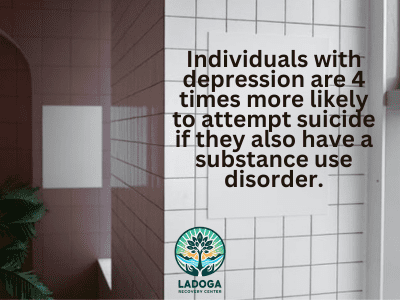
Depression is one of the leading causes of suicide, and alcohol often lowers inhibitions, increasing the likelihood of impulsive actions. Studies show that individuals with both conditions are at a significantly higher risk of suicide attempts.
2. Severe Health Complications
Prolonged alcohol use can cause liver damage, cardiovascular issues, and weakened immunity, while untreated depression is linked to chronic pain, fatigue, and reduced life expectancy.
3. Relapse Risks
Depression and alcohol addiction reinforce each other, creating a cycle that is hard to escape without comprehensive treatment. For example:
- Depressive symptoms may lead to alcohol use, increasing the risk of relapse during recovery.
- Alcohol withdrawal can exacerbate feelings of sadness and anxiety, increasing the likelihood of returning to drinking.
4. Strained Relationships and Social Isolation
Both conditions often lead to strained relationships with family and friends, contributing to social withdrawal and feelings of loneliness.
The Role of Professional Treatment in Recovery
Treating co-occurring disorders like depression and alcohol addiction requires a holistic, integrated approach. At Ladoga Recovery Center, we offer specialized care designed to address both conditions simultaneously, ensuring that individuals receive the support they need to achieve lasting recovery.
1. Detox Treatment: The First Step
Detox Treatment is the foundation of recovery, helping individuals safely eliminate alcohol from their system. This process is essential for stabilizing physical health and preparing individuals for the emotional work of treatment.
What to Expect During Detox Treatment:
- Medical Monitoring: 24/7 supervision ensures safety during withdrawal, which can include symptoms like anxiety, insomnia, tremors, and seizures.
- Symptom Management: Medications are used to reduce withdrawal symptoms, such as benzodiazepines for alcohol withdrawal.
- Emotional Support: Counseling and therapeutic interventions help individuals navigate the emotional challenges of detox.
2. Residential Treatment: Comprehensive Care in a Supportive Environment
Following detox, individuals often transition to Residential Treatment, where they receive round-the-clock care in a structured environment. This stage focuses on addressing the root causes of addiction and developing strategies for long-term recovery.
Benefits of Residential Treatment:
- Therapeutic Support: Access to individual therapy, group counseling, and evidence-based treatments like Cognitive Behavioral Therapy (CBT).
- Holistic Approaches: Incorporating activities like yoga, mindfulness, and art therapy to promote emotional well-being.
- Skill Building: Learning coping mechanisms to manage depression and prevent relapse.
Residential treatment provides the time and space needed to focus entirely on recovery, away from the stresses and triggers of daily life.
3. Inpatient Treatment: Intensive Care for Severe Conditions
For individuals with severe depression or alcohol addiction, Inpatient Treatment offers a higher level of care. This program provides 24/7 medical and psychological support, ensuring that individuals with complex needs receive the attention they require.
Key Features of Inpatient Treatment:
- Dual-Diagnosis Care: Integrated treatment plans that address both depression and alcohol addiction simultaneously.
- Medication Management: Prescriptions for antidepressants or other necessary medications to stabilize mood.
- Crisis Intervention: Immediate support for suicidal thoughts or severe emotional distress.
Inpatient treatment is ideal for individuals at high risk of relapse or those who require intensive supervision during recovery.
4. Addiction Therapy: Addressing Underlying Issues
Therapy is a cornerstone of recovery, helping individuals explore the underlying causes of their depression and addiction. At Ladoga Recovery Center, we offer various therapeutic approaches tailored to each individual’s needs.
Evidence-Based Therapy Modalities:
- Cognitive Behavioral Therapy (CBT): Focuses on identifying and changing negative thought patterns that contribute to depression and substance abuse.
- Dialectical Behavior Therapy (DBT): Teaches emotional regulation and coping strategies for managing stress and negative emotions.
- Trauma-Informed Therapy: Provides a safe space to process past traumas that may be contributing to depression or addiction.
- Group Therapy: Builds a sense of community and accountability, reducing feelings of isolation.
Why Dual-Diagnosis Treatment is Essential
Depression and alcohol addiction are deeply interconnected, making it essential to address both conditions simultaneously. Treating one without the other often leads to incomplete recovery or relapse. Dual-diagnosis treatment ensures that individuals receive care for all aspects of their mental health, improving their chances of long-term success.
Why Choose Ladoga Recovery Center?
At Ladoga Recovery Center, we specialize in treating co-occurring disorders with a holistic, person-centered approach. Our team of experienced professionals is dedicated to helping clients overcome the challenges of depression and alcohol addiction through compassionate, evidence-based care.
Our Comprehensive Services Include:
- Detox Treatment: Safe and medically supervised withdrawal management.
- Residential Treatment: A supportive, structured environment for intensive healing.
- Inpatient Treatment: High-level care for complex cases.
- Addiction Therapy: Personalized therapeutic interventions for lasting recovery.
- Aftercare Planning: Support for maintaining sobriety through outpatient care and support groups.
Take the First Step Toward Recovery
Depression and alcohol addiction don’t have to define your life. With the right support, you can break free from their grip and build a healthier, more fulfilling future. At Ladoga Recovery Center, we’re here to guide you every step of the way.
Contact us today at (888)628-6202 or visit our website at Ladoga Recovery Center to learn more about our programs and take the first step toward recovery.
FAQ on Depression and Alcohol Addiction
How are depression and alcohol addiction connected?
Depression and alcohol addiction often coexist, as individuals may use alcohol to self-medicate depressive symptoms. Over time, alcohol worsens depression by disrupting brain chemistry, creating a vicious cycle.
Can alcohol cause depression?
Yes, chronic alcohol use can lead to substance-induced depression, which can persist even after drinking stops. Alcohol affects mood-regulating neurotransmitters like serotonin and dopamine, contributing to depressive symptoms.
What are the risks of untreated depression and alcohol addiction?
Untreated co-occurring disorders can lead to severe health complications, an increased risk of suicide, social isolation, and difficulties in maintaining long-term recovery.
Why is professional treatment necessary for co-occurring disorders?
Professional treatment ensures that both depression and alcohol addiction are addressed simultaneously through integrated care. This dual-diagnosis approach reduces relapse risk and improves overall recovery outcomes.
What is detox treatment, and why is it important?
Detox treatment is the first step in recovery, involving the safe removal of alcohol from the body under medical supervision. It helps manage withdrawal symptoms and prepares individuals for further therapy.
What types of therapy help with depression and alcohol addiction?
Evidence-based therapies like Cognitive Behavioral Therapy (CBT), Dialectical Behavior Therapy (DBT), trauma-informed therapy, and group therapy are effective in addressing the underlying causes of co-occurring disorders.
How can Ladoga Recovery Center help with depression and alcohol addiction?
Ladoga Recovery Center provides comprehensive programs, including detox treatment, residential care, inpatient treatment, and personalized therapy, to address both depression and alcohol addiction effectively.