


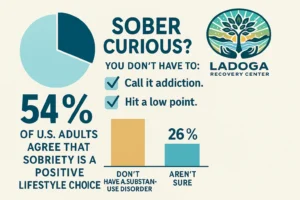
You don’t have to call it addiction.
You don’t have to hit a low point.
You don’t have to know for sure.
Sometimes, the first step toward residential treatment isn’t a big moment—it’s a quiet question:
“What if I didn’t keep drinking?”
“What if I felt better than this?”
That’s enough.
If you’re sober curious, unsure, or simply wondering what life without substances might feel like, this is for you.
Learn more about our Residential Treatment services in Ladoga, Indiana. No pressure—just information and support.
1. Don’t Wait for Things to Get “Worse”
When you’re in the sober curious stage, the question that often haunts you is:
“Do I really need help?”
But the better question might be:
“Do I want things to feel better than they do right now?”
Many people think residential treatment is only for crisis-level situations—rock bottoms, court orders, or medical emergencies. But the truth is, treatment is for anyone who feels stuck, tired, or just quietly not okay.
You don’t have to wait for a breakdown to start building something better. If you’re noticing patterns you don’t like, or feelings you can’t quite shake, that’s enough of a reason to explore support.
2. Learn What Residential Treatment Really Offers
Most people imagine residential treatment as cold hospital beds or sterile hallways. That image keeps a lot of people away—especially if they’re just exploring sobriety, not ready to say they have a “problem.”
But the truth is, residential treatment isn’t punishment. It’s not lock-up. It’s not about taking things away from you—it’s about giving things back to you.
At Ladoga Recovery Center, residential care is peaceful, restorative, and grounded in the belief that healing doesn’t require shame. It offers:
- Time and space to reflect without distraction
- A supportive environment with trained clinicians
- A break from daily stressors and social pressures
- Tools to help you understand yourself, not just your habits
Think of it as a place to get quiet enough to hear your own voice again.
3. Replace the Question “Am I Bad Enough?” With “Do I Want More?”
It’s easy to get caught in the comparison trap.
“I’m not drinking every day.”
“I haven’t lost my job.”
“I’m not like that person.”
But healing doesn’t have a minimum requirement.
If substances are starting to take up too much space in your mind, even if your life looks fine from the outside—that’s a valid reason to explore change.
Here’s a better framework:
- Are you tired of thinking about drinking or using all the time?
- Do you feel emotionally flat, even when things are “good”?
- Are you curious about what life might feel like without substances?
If the answer is yes to any of those, residential treatment might be a helpful next step—even if you’re not sure what you’ll find there yet.
4. You’re Allowed to Just Ask Questions
Not ready to commit? That’s okay. Most people aren’t.
That’s why the first step toward treatment doesn’t have to be enrollment—it can simply be a conversation.
At Ladoga, you can call and say, “I’m not sure what I need. Can we talk?” No labels. No assumptions. Just curiosity, met with care.
You’ll talk to someone who’s trained to listen—not to push, diagnose, or pressure you—but to help you understand your options.
Sometimes, just being heard is enough to help you feel ready.
5. Think of This as a Safe Place to Hit “Pause”
You don’t have to be drowning to need a life raft.
Sometimes you just need to rest.
Residential treatment isn’t always about crisis—it’s about stepping away from noise, chaos, or even subtle burnout so you can recalibrate. It’s a place to hit pause on the habits, routines, and thought patterns that have you feeling like you’re surviving but not thriving.
If you’ve tried “cutting back” but still feel pulled toward substances when things get stressful, you might benefit from time in a place where healing is the priority—not productivity, not performance, not perfection.
You deserve that kind of rest—even if no one else sees how tired you are.
6. Get Clear on What You’re Hoping For
One gentle exercise: take a moment to write down what you wish sobriety would give you.
- Peace of mind?
- Energy?
- Better relationships?
- Less shame?
- More self-trust?
Then ask yourself: “Could a space like residential treatment help me move toward this?”
Even if you’re not sure, that question alone can open the door.
You’re not committing to a lifetime decision—you’re just staying curious about what you want.
7. Find a Program That Respects Where You Are
Some programs assume you’ve already hit bottom. Others—like Ladoga—welcome people at every stage, especially those still exploring what healing could look like.
At Ladoga, we support the “not sure yet” people. The question-askers. The ones who want to feel better but don’t know exactly how.
Our residential treatment in Indiana is tailored to meet you where you are—not where you’re expected to be.
Whether you’ve been sober for 3 days, 3 weeks, or not at all, you’re welcome here.
FAQs About Residential Treatment for the Sober Curious
I’m not sure I have an addiction—can I still go to treatment?
Yes. You don’t need a formal diagnosis to receive support. Many people begin treatment while still exploring what sobriety means to them. Treatment can be a space to figure it out.
Will I be forced to commit to long-term sobriety?
No. Our approach at Ladoga is to meet you where you are. We focus on helping you understand your patterns, your needs, and your values. You get to decide what comes next.
What happens in residential treatment?
You’ll participate in therapy, group work, mindfulness practices, and reflective activities—all while having time to rest and reset. It’s structured, but not rigid. The goal is to create space for emotional clarity and growth.
Do I have to be “ready” before going?
Readiness isn’t a requirement. Willingness to explore is enough. We work with people who are still figuring things out, not just those with a clear plan.
What if I start and then feel overwhelmed?
It’s normal to feel nervous. That’s why we build support around every step—from intake through your first days onsite. You’ll never be left to navigate the experience alone.
Can I talk to someone without committing?
Absolutely. You can call or reach out online just to ask questions. There’s no pressure to enroll. Sometimes a simple conversation is the first act of self-care.
How long is residential treatment?
Most stays range from 30 to 90 days, depending on your goals and needs. Our team will work with you to customize a plan that fits your life and your healing process.
Is it okay to be nervous or unsure?
Yes—100%. Nervousness isn’t a red flag. It means you care about the outcome. Our team is here to walk with you through the uncertainty, not rush you through it.
If you’re curious about a different kind of life—one with more ease, clarity, or connection—residential treatment could be a step toward it.
Call (888) 628-6202 to learn more about our Residential Treatment services in Ladoga, Indiana.
We’re here to support your next step—whether it’s a big one, or just a question.