

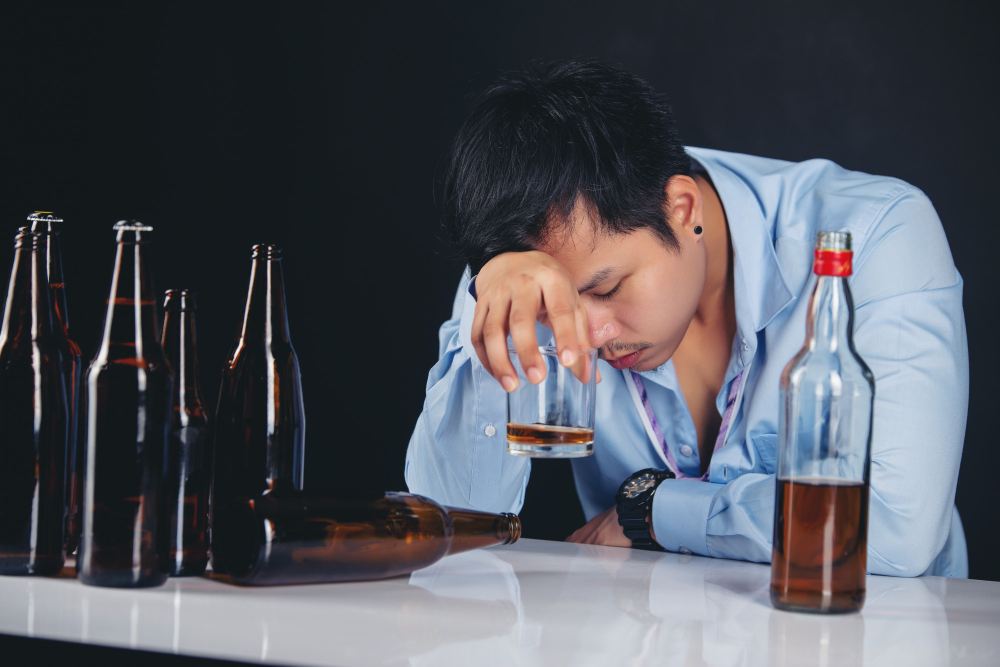
Most conversations about quitting alcohol focus on withdrawal symptoms, including shaking, sweating, and physical discomfort. These symptoms matter, but they only tell part of the story. Quitting alcohol also brings positive changes as your body begins to heal and recover. Some improvements start within hours, while others develop over the following days and weeks. As your body adjusts to life without alcohol, you may notice improvements in sleep, energy, digestion, and overall health.
This post explores what happens to your body when you stop drinking alcohol. We’ll break down the physical changes hour by hour during early withdrawal and week by week as recovery progresses.
What Happens in the First 24 Hours
Blood alcohol clears, usually within several hours of the last drink, and the liver immediately begins redirecting its energy. For people who have been drinking heavily for years, the liver has spent an enormous amount of its capacity processing alcohol. When that demand lifts, it starts catching up on other work – breaking down fats, filtering waste, managing blood sugar.
For people with significant alcohol dependence, alcohol withdrawal symptoms can begin within 6 to 12 hours of the last drink. This is the window when medical support matters most – withdrawal from alcohol can be medically serious in ways that quitting most other substances is not. A clinical assessment determines the appropriate setting for that process, and for many people, on-site alcohol detox at a supervised facility is the safest way through it.
For those with milder dependence, the first day brings a different kind of physical reset. Alcohol is a diuretic, meaning it pulls water from the body with every drink. Within 24 hours of stopping, the body starts rehydrating – cells that have been chronically deprived of fluid begin to hold water again. Blood pressure, elevated by alcohol’s effect on the cardiovascular system, may start to come down.
Sleep, oddly, often gets worse before it gets better. Alcohol suppresses REM sleep, so the brain has been getting less restorative sleep than it appears. When alcohol is removed, the brain goes through a brief period of REM rebound – vivid dreams, lighter sleep, more frequent waking. It is uncomfortable, but it means the brain is recalibrating.
Days Two Through Seven
This is the week the body does its most difficult work. For people with alcohol dependence, withdrawal symptoms typically peak somewhere between 24 and 72 hours and then begin to ease. The clinical term for severe withdrawal is delirium tremens, which can include confusion, fever, and seizures in a small percentage of people – which is precisely why this window should not be navigated alone for those with significant dependence.
For people moving through this period safely, often with medical support, the body is simultaneously managing withdrawal and beginning to repair. Inflammation, which alcohol drives up throughout the body, starts to come down. The liver begins clearing fatty deposits that accumulated from alcohol’s metabolic effects. Blood sugar, disrupted by alcohol’s interference with the liver’s glucose regulation, begins to stabilize – which is why many people notice less energy fluctuation and fewer intense cravings for sugar in the days after stopping.
Weeks One Through Four
The changes in the first month are where most people start to notice a difference in how they feel and look.
The liver continues to clear. For people without cirrhosis – the irreversible scarring that develops in advanced liver disease – significant healing is possible in the first few weeks. Studies published in the Journal of Hepatology have found measurable reductions in liver fat and inflammation within two to four weeks of abstinence in people with alcoholic fatty liver disease.
Skin changes are among the most visible. Alcohol causes chronic dehydration and drives inflammation that shows up as puffiness, redness, and uneven skin tone. Within a few weeks of stopping, many people report their skin looking clearer and less swollen, particularly around the face. These changes are not cosmetic in the superficial sense – they reflect reduced systemic inflammation.
Blood pressure drops for most people. Alcohol raises blood pressure through several mechanisms, including its effect on the hormones that regulate fluid retention. Studies tracking people who stopped drinking after long-term heavy use have found average systolic pressure drops of 3 to 4 mmHg within a month – modest numbers, but clinically meaningful over time.
The immune system begins to function more reliably. Chronic alcohol use suppresses immune response in ways that make the body slower to fight off infections and slower to recover from illness. Within the first few weeks of abstinence, white blood cell counts begin to normalize. People who frequently got sick, or who felt they took longer to recover than other people, often notice this shift.
Sleep improves, though not overnight. The REM disruption of the first week gradually settles. By weeks two to four, most people find their sleep is deeper and more consistent than it was during their drinking years – even though alcohol may have felt like it helped them fall asleep. What it actually did was sedate them through the first part of the night while fragmenting the second half.
One to Three Months
Deeper recovery shows up in this window, particularly in the brain.
Over time, heavy alcohol use disrupts the brain’s dopamine and serotonin systems. After years of drinking, the brain adapts to alcohol’s effects and struggles to adjust when someone stops. During the first several weeks, people may experience irritability, emotional numbness, or a general sense of disconnection. Clinicians sometimes describe these lingering symptoms as post-acute withdrawal. These symptoms usually improve with time, but they can make early recovery challenging. Residential treatment offers structured support beyond detox, helping people manage these changes as their brains begin to recover.
During months two and three, many people notice improvements in memory, concentration, and decision-making. The brain gradually restores functions that long-term alcohol use disrupted. The prefrontal cortex, which helps regulate judgment and decision-making, can also begin recovering during this period. Research from the National Institute on Alcohol Abuse and Alcoholism highlights the brain’s ability to recover during sustained abstinence. Imaging studies have documented improvements in brain structure and function, although recovery timelines vary from person to person.
What the Emotional Side Looks Like
Physical recovery and emotional experience do not always move in sync. Some people feel relief early – a sense of clarity or lightness that arrives in the first week. Others go through a period of grief, anxiety, or numbness as the brain recalibrates without alcohol.
Both are normal. Neither means recovery is not working.
This is part of what alcohol addiction treatment in Indiana addresses beyond the physical side. The emotional and psychological work of early recovery – understanding the patterns that drove drinking, building different ways to manage stress, reconnecting with relationships – happens alongside the physical healing. At Ladoga Recovery Center, residential treatment supports both simultaneously.
A Note on Stopping Safely
For people with alcohol dependence, stopping without medical support carries real risk. The health problems caused by alcohol use that accumulate over years do not disappear overnight, and the withdrawal process itself can be dangerous if not managed carefully.
If you or someone you care about is thinking about stopping drinking, the first step is a clinical assessment – not a calendar. The right support, in the right setting, makes the difference between a process that is safe and one that is not.
Ready to Talk About Next Steps?
Ladoga Recovery Center offers inpatient residential treatment in Ladoga, Indiana, with on-site detox as the first step for those who need it. If you are ready to find out what recovery could look like for you, our admissions team is available to answer your questions – no commitment required to have that first conversation.