


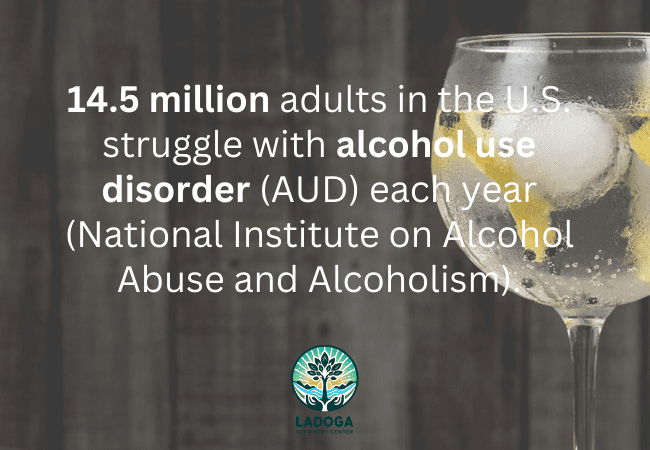
Alcohol addiction, or alcohol use disorder (AUD), is a chronic and progressive disease that affects millions of individuals globally. While alcohol is legal and socially accepted in many cultures, it can have devastating consequences when consumed in excess. For those struggling with alcohol addiction, it’s essential to understand the signs and symptoms and seek professional help when needed. At Ladoga Recovery Center, we specialize in providing comprehensive alcohol addiction treatment designed to guide individuals through the detox and recovery process with personalized care and support. Discover how our tailored programs can help you reclaim your life and build a foundation for lasting sobriety. Reach out today at (844)628-4917 or visit our location.
Understanding Alcohol Addiction
Alcohol addiction is characterized by an individual’s inability to control their drinking, despite the negative impact on their health, relationships, and overall well-being. It often begins with occasional drinking, but over time, it can evolve into physical and psychological dependence. The addictive nature of alcohol is linked to its ability to alter brain chemistry, triggering the release of dopamine and creating a sense of euphoria that encourages repeated use.
When Does Drinking Become a Problem?
Drinking becomes a problem when it starts to negatively impact various aspects of life, including physical health, relationships, work, and daily responsibilities. Occasional or moderate drinking might not be a concern, but when alcohol consumption becomes frequent or uncontrollable, it can signal the development of an alcohol use disorder (AUD). Some key signs that drinking has become a problem include:
- Inability to control consumption: Drinking more than intended or struggling to cut down.
- Neglecting responsibilities: Drinking interferes with work, school, or family obligations.
- Health issues: Alcohol-related illnesses, such as liver damage, heart problems, or digestive issues, may occur.
- Social and relational problems: Drinking leads to arguments, isolation, or strained relationships.
- Tolerance and withdrawal: Developing a higher tolerance to alcohol, needing more to feel the same effects, or experiencing withdrawal symptoms when not drinking.
Recognizing the Symptoms of Alcohol Addiction
Identifying alcohol addiction can be difficult, especially since the effects are not always immediately apparent. Below are some key symptoms of alcohol addiction to watch for:
1. Increased Tolerance
As the body becomes accustomed to alcohol, individuals often find that they need to drink more to achieve the desired effects. This increased tolerance is one of the early signs of alcohol dependence.
2. Cravings and Urges to Drink
People with alcohol addiction often experience intense cravings and a compulsion to drink, making it difficult to resist the urge. These cravings can be triggered by specific situations, stress, or even the presence of alcohol.
3. Inability to Control Drinking
One of the hallmark symptoms of alcohol addiction is the inability to stop drinking once you’ve started. Even if you plan to have just one drink, you may find yourself drinking excessively.
4. Neglecting Responsibilities
Alcohol addiction can lead to neglecting work, school, and home responsibilities. If alcohol starts taking precedence over important aspects of life, it’s a sign of a more serious problem.
5. Physical Symptoms of Withdrawal
When an individual tries to stop drinking, they may experience withdrawal symptoms such as shaking, sweating, nausea, vomiting, and headaches. In severe cases, alcohol withdrawal can be life-threatening, which is why medically supervised detox is crucial.
6. Risky Behavior
Alcohol use often leads to risky behaviors, such as driving under the influence or engaging in unsafe sexual practices. These behaviors are a direct result of impaired judgment caused by alcohol.
7. Hiding Alcohol Use
Many people with alcohol addiction become secretive about their drinking habits. They may hide alcohol bottles or deny the extent of their consumption to family and friends.
What Causes Alcohol-Related Disorders?
Alcohol-related disorders are typically caused by a combination of genetic, environmental, and psychological factors. While some people may be more predisposed to alcohol use disorders due to their genetic makeup, others may develop the disorder due to environmental triggers or stressors. Key causes of alcohol use disorders include:
- Genetics and Family History: Studies show that genetics can play a significant role in the risk of developing alcohol addiction. If someone in your family struggles with alcohol addiction, you may be more likely to develop a disorder yourself.
- Mental Health Issues: People struggling with mental health disorders such as anxiety, depression, or PTSD may turn to alcohol as a form of self-medication. Over time, this can lead to dependence and addiction.
- Social and Environmental Factors: Peer pressure, exposure to alcohol in social settings, or a stressful home life can increase the risk of developing an alcohol use disorder. Growing up in environments where alcohol consumption is normalized or where substance abuse is common can also contribute.
- Trauma and Life Stressors: Experiencing trauma, abuse, or significant life stressors can increase the likelihood of turning to alcohol for coping, which over time can lead to addiction.
When to Seek Help for Alcohol Addiction
It’s essential to seek help when alcohol use begins to interfere with your physical health, emotional well-being, and daily life. Below are some signs that it’s time to seek professional alcohol addiction treatment:
1. Repeated Failed Attempts to Quit
If you’ve tried to quit drinking multiple times but have been unsuccessful, it’s time to reach out for professional help. Alcohol addiction often requires detox treatment and ongoing residential treatment to address both physical and psychological dependence.
2. Severe Withdrawal Symptoms
Experiencing withdrawal symptoms like anxiety, nausea, hallucinations, or seizures can be dangerous without medical supervision. Detox treatment in a professional setting is essential to safely manage these symptoms.
3. Negative Impact on Health
Long-term alcohol abuse can cause liver damage, cardiovascular problems, gastrointestinal issues, and neurological damage. If you notice any of these health problems, seeking substance abuse treatment is critical.
4. Strained Relationships
If alcohol is causing strain in your relationships with family, friends, or coworkers, it may be time to seek help. Alcohol addiction can lead to feelings of guilt, shame, and defensiveness, which can harm relationships.
5. Inability to Function Without Alcohol
If alcohol has become the focal point of your daily routine or you feel unable to perform daily tasks without drinking, professional help is necessary to break free from the cycle of addiction.
How Do Alcohol Use Disorders Affect People?
Alcohol use disorders can have a profound impact on a person’s life, affecting their physical health, emotional well-being, and relationships. The effects of alcohol addiction can be both short-term and long-term:
- Physical Health Consequences:
- Liver damage: Chronic alcohol abuse can lead to liver diseases like cirrhosis and liver cancer.
- Heart problems: Alcohol use increases the risk of high blood pressure, heart disease, and stroke.
- Gastrointestinal issues: Excessive drinking can cause stomach ulcers, pancreatitis, and digestive problems.
- Neurological damage: Long-term alcohol use can lead to memory problems, cognitive decline, and nerve damage.
- Mental Health Impact:
- Increased anxiety and depression: Alcohol can temporarily numb emotional pain, but chronic use worsens mental health conditions, leading to anxiety, depression, and suicidal thoughts.
- Cognitive impairments: Prolonged alcohol use can interfere with brain function, affecting decision-making, memory, and impulse control.
- Relationship Strain: Alcohol use disorder often leads to interpersonal problems. Arguments, broken trust, and emotional distress are common, leading to strained relationships with family, friends, and partners.
- Work and Social Life: Alcohol addiction can affect a person’s ability to perform well at work or school, leading to absenteeism, poor performance, and job loss. Social isolation often occurs as well, as individuals with alcohol use disorder may prioritize drinking over spending time with others.
What Are the Complications of This Condition?
Alcohol use disorder can result in severe complications, some of which may be life-threatening. It’s important to address alcohol addiction early to prevent the following complications:
- Severe Withdrawal Symptoms: When an addicted individual stops drinking, they may experience withdrawal symptoms such as tremors, nausea, seizures, and hallucinations. In severe cases, alcohol withdrawal can be fatal without medical intervention.
- Increased Risk of Accidents and Injuries: Alcohol impairs coordination, judgment, and reaction times, increasing the risk of accidents, falls, and injuries. Alcohol is also a leading factor in motor vehicle accidents.
- Chronic Health Conditions: Chronic alcohol abuse can lead to liver failure, cardiovascular diseases, pancreatitis, and brain damage. In some cases, alcohol-related health issues can be irreversible or fatal.
- Social and Legal Consequences: Alcohol use disorder often leads to legal troubles, including arrests for driving under the influence (DUI), assault, or other alcohol-related offenses. Social isolation and damaged relationships also often occur.
- Co-occurring Disorders: Many individuals with alcohol use disorder also suffer from other mental health conditions, such as depression, anxiety, or bipolar disorder. This dual diagnosis requires specialized treatment to address both issues simultaneously.
Alcohol Addiction Treatment at Ladoga Recovery Center
At Ladoga Recovery Center, we provide comprehensive alcohol addiction treatment programs designed to address the physical, emotional, and psychological aspects of alcohol use disorder. Our approach is grounded in evidence-based treatments and therapies, offering a path to lasting recovery.
1. Medically Supervised Detox
Detoxing from alcohol is the first step in the recovery process. Our detox treatment services are medically supervised to ensure that withdrawal symptoms are managed safely and effectively. We offer round-the-clock care to monitor vital signs, provide medications to ease symptoms, and ensure the patient’s comfort throughout the process.
2. Residential and Inpatient Treatment
After completing detox, individuals often transition to residential treatment or inpatient treatment programs. These programs offer a structured, supportive environment where patients can focus entirely on their recovery. We provide individual and group therapy, education on addiction, and support from addiction specialists.
3. Therapy and Counseling
Therapy plays a vital role in alcohol addiction treatment. Our therapists use cognitive-behavioral therapy (CBT), dialectical behavior therapy (DBT), and other modalities to help patients understand the root causes of their addiction, develop healthy coping skills, and address any underlying mental health issues.
4. Holistic and Complementary Therapies
In addition to traditional therapy, we incorporate holistic treatment options such as yoga, meditation, and nutrition counseling. These therapies support overall well-being and help patients develop a balanced approach to recovery.
5. Family Therapy and Support
Alcohol addiction affects not just the individual but their loved ones as well. Our family therapy sessions provide support for families, helping them understand addiction and how to rebuild trust and communication during the recovery process.
6. Aftercare and Ongoing Support
Recovery doesn’t end after completing treatment. We offer aftercare services to ensure continued support during the transition to daily life. Our aftercare programs include sober living options, outpatient counseling, and 12-step group meetings.
Why Choose Ladoga Recovery Center?
At Ladoga Recovery Center, our team of experienced addiction professionals is dedicated to providing compassionate care and individualized treatment. We offer a comprehensive approach to alcohol addiction, combining medical expertise, therapeutic support, and holistic care to ensure lasting recovery.
If you or a loved one is struggling with alcohol addiction, don’t wait to get help. Contact Ladoga Recovery Center, an addiction treatment center in Indiana, today to learn more about our alcohol addiction treatment programs and take the first step toward a brighter, sober future. Reach out today at (844)628-4917 or visit our location.
Conclusion
Alcohol addiction is a challenging and progressive disease, but recovery is possible with the right support and treatment. If you recognize the signs of alcohol addiction in yourself or a loved one, seeking professional help is the first step toward healing. At Ladoga Recovery Center, we’re here to help you break free from the cycle of addiction and create a path to long-term sobriety.
FAQ on Alcohol Addiction
What are the signs that someone has an alcohol addiction?
The signs of alcohol addiction include drinking more than intended, inability to cut down, neglecting responsibilities, health problems, and social or relational issues due to alcohol use.
When should I seek professional help for alcohol addiction?
If you notice that alcohol consumption is affecting your physical health, relationships, work, or daily life, it’s important to seek professional help as soon as possible.
Can alcohol use cause long-term health problems?
Yes, long-term alcohol use can lead to liver damage, heart disease, gastrointestinal issues, and neurological impairments. It can also worsen mental health conditions like anxiety and depression.
How can alcohol addiction treatment help?
Alcohol addiction treatment, including detox, inpatient care, and therapy, helps individuals safely manage withdrawal symptoms, address underlying mental health issues, and learn healthier coping mechanisms.
What are the benefits of inpatient alcohol addiction treatment?
Inpatient treatment provides a structured environment with medical supervision, which is crucial for managing severe withdrawal symptoms. It also offers therapy and support to help individuals recover and prevent relapse.