


Alcoholism isn’t just a struggle with drinking—it’s often a sign of something deeper. Many people who suffer from alcohol addiction also live with untreated mental health conditions like depression, anxiety, PTSD, or bipolar disorder. When both issues occur together, it’s known as dual diagnosis, and it requires specialized treatment.
At Ladoga Recovery, we understand that to truly help someone overcome alcoholism, we must also address their emotional and psychological pain. That’s why our programs integrate comprehensive mental health services into every phase of our Alcohol Addiction Treatment in Indiana.
Understanding Dual Diagnosis: What Does It Mean?
Dual diagnosis refers to a situation where a person has both a substance use disorder (SUD) and a co-occurring mental health disorder. These conditions don’t just coexist—they influence and often worsen one another.
Common dual diagnosis combinations include:
- Alcoholism + Depression
- Alcoholism + Generalized Anxiety Disorder (GAD)
- Alcoholism + Post-Traumatic Stress Disorder (PTSD)
- Alcoholism + Bipolar Disorder
- Alcoholism + Personality Disorders
Without treating both sides of the problem, relapse is highly likely—even after detox or rehab.
How Alcohol Impacts Mental Health
Chronic alcohol use alters brain chemistry, especially in areas related to mood, sleep, memory, and decision-making. Over time, drinking to cope can actually intensify the very symptoms people were trying to escape.
Alcohol can:
- Worsen anxiety and panic attacks
- Increase depression and suicidal thoughts
- Trigger psychosis or delusions in extreme cases
- Disrupt medication efficacy for psychiatric treatment
- Lead to impulsivity and reckless behavior
At our Addiction Treatment Center in Indiana, we help clients understand the complex link between their drinking and their mental health symptoms—and give them healthier ways to manage both.
How Mental Health Influences Alcohol Use
On the flip side, untreated mental health conditions often drive individuals to use alcohol as a form of self-medication. What starts as an occasional escape can become a harmful coping mechanism and, eventually, full-blown addiction.
Mental health struggles that increase alcohol risk:
- Persistent sadness or hopelessness
- Social isolation and anxiety in public settings
- Flashbacks or trauma-related stress
- Mood swings or emotional instability
- Low self-esteem and self-destructive thinking
Without mental health care, individuals are more likely to relapse—even after detox or rehab. That’s why dual diagnosis care is the foundation of our Substance Abuse Treatment in Indiana.
The Importance of Integrated Dual Diagnosis Care
Treating alcoholism without addressing mental health is like fixing a leaky pipe without turning off the water. At Ladoga Recovery, we integrate mental health services into every phase of care—from detox through therapy and aftercare.
Dual diagnosis treatment includes:
- Psychiatric evaluations and medication management
- Trauma-informed therapy for PTSD and anxiety
- Cognitive Behavioral Therapy (CBT) to address distorted thinking
- Dialectical Behavior Therapy (DBT) to regulate intense emotions
- Motivational Interviewing to build self-efficacy
Our Addiction Therapy Programs in Indiana ensure that healing happens at the root, not just at the surface.
What to Expect in Dual Diagnosis Alcohol Rehab
1. Safe, Supervised Detox
Before therapy begins, we help clients safely detox from alcohol through our Alcohol Detoxification Program in Indiana. This includes:
- 24/7 medical monitoring
- Medication-assisted withdrawal management
- Support for mood and sleep disturbances
2. Inpatient and Residential Care
Our Residential Treatment Program in Indiana offers a secure and structured environment where clients can:
- Focus on therapy without daily stressors
- Receive both mental health and addiction treatment
- Build a daily routine that fosters emotional stability
3. Ongoing Therapy and Support
After inpatient treatment, clients may continue in Intensive Outpatient Programs or standard outpatient care, allowing them to:
- Continue therapy while reintegrating into everyday life
- Manage medications and mental health conditions
- Stay connected to community and alumni support
Why Treating Both Conditions Together Improves Outcomes
Research shows that clients who receive dual diagnosis treatment are:
- 2x more likely to stay sober long-term
- 50% less likely to relapse within the first year
- More likely to maintain medication compliance and mental stability
At Ladoga Recovery, we don’t separate mental health from addiction—we treat the whole person.
How Unaddressed Trauma Drives Alcohol Use
Many individuals with alcohol addiction are living with unresolved trauma. Whether it’s childhood abuse, domestic violence, combat exposure, or grief, trauma changes brain chemistry and coping behavior—often leading to alcohol misuse.
At Ladoga Recovery, our trauma-informed care includes:
-
EMDR (Eye Movement Desensitization and Reprocessing)
-
Somatic and experiential therapy
-
Safety-first therapeutic environments
-
Specialized trauma tracks within our Inpatient Treatment Programs in Indiana
Treating trauma alongside alcohol addiction isn’t optional—it’s essential for lasting recovery.
Understanding Emotional Triggers That Lead to Relapse
Mental health symptoms like panic, sadness, or rage don’t just affect mood—they can be powerful relapse triggers if left untreated. Our programs help clients recognize these patterns and develop healthier responses.
Clients learn how to:
-
Identify early signs of emotional dysregulation
-
Use grounding techniques to calm distress
-
Replace self-medicating behaviors with coping strategies
-
Create “safety plans” for when urges arise
This emotional awareness is critical to success in both Substance Abuse Treatment in Indiana and long-term recovery.
Gender-Specific Considerations in Dual Diagnosis Treatment
Men and women often experience addiction and mental illness differently—both emotionally and socially. That’s why Ladoga Recovery offers gender-informed programming for dual diagnosis care.
Gender-specific needs we address:
-
Trauma from gender-based violence or discrimination
-
Stigma related to motherhood, fatherhood, or caregiving roles
-
Relationship patterns, attachment trauma, and boundaries
-
Hormonal and biological influences on mental health and alcohol use
Providing gender-responsive treatment increases safety, honesty, and healing.
Long-Term Mental Health Maintenance After Rehab
Dual diagnosis care doesn’t stop after discharge. Sustaining mental health is an ongoing process—especially for those recovering from alcohol addiction.
Our aftercare planning includes:
-
Continued access to individual and psychiatric therapy
-
Help finding local mental health providers
-
Support with medication management and therapy adherence
-
Peer-led support groups and sober networking
-
Education on maintaining emotional and psychological wellness
We don’t just help clients get better—we teach them how to stay better for life.
How We Support Families in Dual Diagnosis Recovery
Addiction and mental illness also affect loved ones. That’s why we offer family therapy and education as part of our Inpatient Treatment Programs in Indiana.
Family care includes:
- Learning how to support—not enable
- Understanding the signs of relapse or emotional decline
- Creating healthy boundaries and communication habits
- Rebuilding trust broken by addiction
When families heal together, the outcomes for the client are significantly stronger.
Life After Treatment: Continued Mental Health Support
Sobriety is a lifestyle, not a milestone. After formal rehab, clients still need support to maintain emotional balance and prevent relapse.
Our aftercare services include:
- Ongoing therapy and psychiatric check-ins
- Peer support and alumni programs
- Medication management
- Sober housing referrals and relapse prevention planning
By staying connected to their treatment team and community, clients build a resilient, sober future.
Why Choose Ladoga Recovery for Dual Diagnosis Treatment in Indiana
At Ladoga Recovery, we specialize in treating both alcohol addiction and the mental health conditions that often accompany it. We offer:
- A compassionate, multidisciplinary team
- Licensed psychiatrists and therapists on staff
- Evidence-based treatment for co-occurring disorders
- Full continuum of care—detox to aftercare
- Family involvement and education
Our Addiction Treatment Center in Indiana is a place where individuals heal from the inside out—with dignity, respect, and long-term support.
Conclusion
If you or someone you love is struggling with alcohol and mental health issues, you don’t have to choose which one to treat first. At Ladoga Recovery, we treat both—because your recovery depends on it.
Call us today at 844.628.4917 to begin your journey with integrated Alcohol Addiction Treatment in Indiana. Because healing the mind is just as important as healing the body.
FAQ on Dual Diagnosis Treatment
What is dual diagnosis treatment for alcohol addiction?
Dual diagnosis treatment addresses both alcohol addiction and co-occurring mental health disorders like depression, anxiety, or PTSD. Ladoga Recovery provides integrated care to treat the mind and body together.
Why is dual diagnosis care important in alcohol rehab?
Because untreated mental health issues often fuel alcohol use and increase relapse risk. Our Addiction Treatment Center in Indiana uses evidence-based therapies to address both conditions for long-term recovery.
How common is it to have both alcoholism and a mental health disorder?
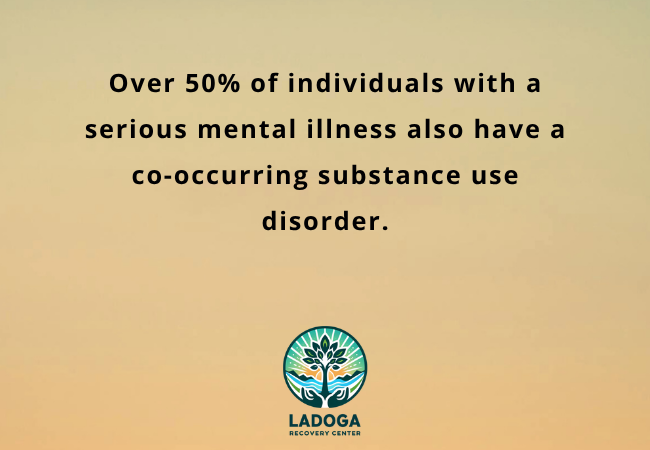
Very common. According to national data, nearly 50% of individuals with substance use disorders also have a co-occurring mental health condition.
What types of mental health conditions are treated in dual diagnosis rehab?
We treat depression, anxiety disorders, PTSD, bipolar disorder, and more. Our Addiction Therapy Programs in Indiana are tailored to each client’s diagnosis.
Does Ladoga Recovery offer medication for mental health symptoms?
Yes. We provide psychiatric evaluations and medication management as part of our Inpatient Treatment Programs in Indiana and outpatient care.
Can I recover from both mental health issues and alcohol addiction at the same time?
Absolutely. In fact, addressing both together improves your chances of lasting sobriety. That’s the goal of our comprehensive Substance Abuse Treatment in Indiana.