

Quitting alcohol isn’t the finish line—it’s the starting point of a lifelong journey. While detox may cleanse the body, maintaining long-term sobriety requires healing the mind, changing behaviors, and building a new way of life. That’s where comprehensive alcohol rehab plays a vital role.
At Ladoga Recovery, we go beyond symptom management. Our integrated approach to Alcohol Addiction Treatment in Indiana helps individuals not only stop drinking—but also stay sober through every phase of their recovery.
The Risk of Relapse Without Rehab
Alcohol is one of the most socially accepted and accessible substances, making it particularly difficult to avoid after detox. Without structured support:
- 40–60% of individuals relapse within the first year
- Mental health symptoms often go unaddressed
- Triggers and stressors can quickly lead to drinking again
Our Addiction Treatment Center in Indiana is designed to prevent this by helping clients develop the skills and mindset to stay sober—for life.
1. Detox: The First Step Toward Freedom
Recovery often begins with detox, especially for those with physical dependence. Our Alcohol Detoxification Program in Indiana is medically supervised and tailored for comfort and safety.
What we offer during detox:
- 24/7 clinical monitoring
- Medications to manage withdrawal symptoms
- Support for anxiety, sleep disturbances, and cravings
- A calm, private environment for stabilization
Detox prepares the body for treatment—but true recovery begins with the mind.
2. Residential and Inpatient Care for Structure and Focus
Once detox is complete, individuals transition into our Residential Treatment Program in Indiana for immersive healing. This environment removes distractions, allowing clients to focus solely on their recovery.
Key benefits of inpatient rehab:
- Daily individual and group therapy
- Round-the-clock support from trained professionals
- Nutritional counseling and holistic wellness
- Structure that builds discipline and healthy routines
Our Inpatient Treatment Programs in Indiana help lay the psychological and emotional foundation needed to sustain sobriety outside the treatment center.
3. Therapy: The Heart of Relapse Prevention
Therapy is essential in understanding the “why” behind alcohol use. At Ladoga Recovery, we offer evidence-based Addiction Therapy Programs in Indiana that help clients confront underlying issues and build resilience.
Our therapy offerings include:
- Cognitive Behavioral Therapy (CBT): Reframe thoughts and behaviors
- Dialectical Behavior Therapy (DBT): Manage emotions and triggers
- Trauma-informed care: Heal from past pain or unresolved grief
- Motivational Interviewing: Build confidence and autonomy
- Family Therapy: Strengthen support systems and rebuild relationships
These therapies teach lifelong coping skills—essential for staying sober when life gets tough.
4. Building Coping Strategies for Real-Life Triggers
In the real world, alcohol is everywhere—at celebrations, social events, and even workplace gatherings. We equip clients with tools to face these challenges head-on.
Clients learn how to:
- Identify personal triggers (stress, loneliness, social pressure)
- Replace drinking with healthy habits
- Set boundaries and decline alcohol in social settings
- Regulate emotional responses without substances
Our programs offer hands-on practice and real-world preparation so clients re-enter life with confidence.
5. Peer Support and Community Connection
Isolation often feeds addiction. One of the most powerful relapse prevention tools is connection. At Ladoga Recovery, we emphasize community-based healing through group therapy and alumni engagement.
Group support helps clients:
- Learn from others’ experiences
- Share without judgment
- Build lasting friendships rooted in sobriety
- Stay accountable to a recovery-focused community
We also connect clients with local recovery groups across Indiana to maintain long-term accountability.
6. Holistic Healing for the Whole Person
Recovery isn’t just about staying away from alcohol—it’s about creating a fulfilling life without it. Our holistic services focus on total well-being.
Programs include:
- Yoga and mindfulness
- Art and music therapy
- Exercise and fitness coaching
- Nutrition and sleep hygiene
- Spiritual exploration (when desired)
When the mind, body, and spirit are aligned, relapse becomes less likely—because life in recovery feels good.
7. Step-Down Care and Long-Term Support
Staying sober requires continuity. After completing residential treatment, clients transition into outpatient services for continued support.
Our step-down services include:
- Intensive Outpatient Programs (IOP)
- Standard outpatient therapy
- Relapse prevention planning
- Sober living referrals
- Ongoing psychiatric support
As a comprehensive Addiction Treatment Center in Indiana, we walk with you every step—from detox to lifelong sobriety.
8. Family Involvement and Education
Family plays a critical role in long-term recovery. That’s why we involve loved ones in the healing process.
Through family therapy, we:
- Educate families about addiction and relapse
- Teach communication and boundary-setting
- Repair relationships damaged by alcohol use
- Build a stable home environment for continued sobriety
Clients with family support are more likely to stay sober and maintain emotional stability post-treatment.
9. Life Skills and Purpose-Building
Long-term sobriety thrives when clients feel empowered. That’s why we incorporate life skills and personal growth into every program.
We help clients:
- Set and pursue career goals
- Re-enter education or job training
- Build financial independence
- Develop hobbies and healthy routines
Sobriety is more sustainable when clients create a new life worth protecting.
10. Dual Diagnosis: Treating Mental Health and Addiction Together
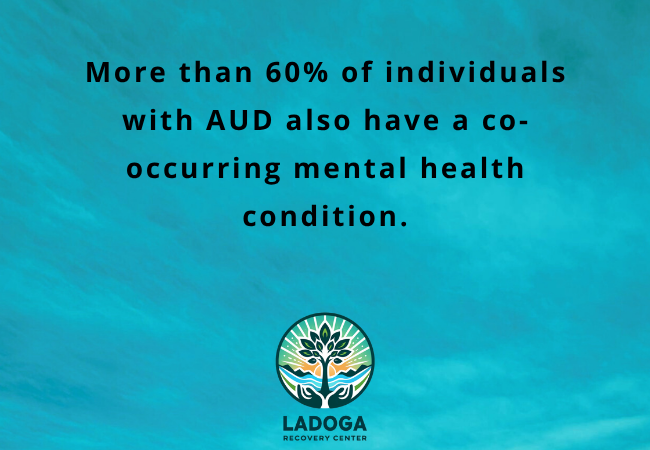
Many individuals who struggle with alcohol addiction also suffer from underlying mental health conditions such as anxiety, depression, PTSD, or bipolar disorder. Ignoring these issues increases the likelihood of relapse—even after completing rehab.
At Ladoga Recovery, our dual diagnosis services:
-
Identify co-occurring disorders early
-
Provide integrated care from licensed therapists and psychiatrists
-
Use evidence-based treatments like CBT, DBT, and trauma therapy
-
Ensure that mental health and sobriety goals support one another
Our approach recognizes that you can’t treat addiction effectively without also treating the mind—which is why dual diagnosis care is core to our Addiction Therapy Programs in Indiana.
11. Personalized Treatment Planning for Every Stage of Recovery
No two recovery journeys are alike. That’s why every client at Ladoga Recovery receives a customized treatment plan tailored to their background, health history, and recovery goals.
Personalized treatment includes:
-
Individualized therapy schedules
-
Specialized care for gender, age, or trauma history
-
Medication-assisted treatment (when needed)
-
Flexible transitions between inpatient, outpatient, and aftercare
This level of personalization ensures that clients remain engaged and empowered—key factors in long-term sobriety.
12. Alumni Support and Sober Community Engagement
Sobriety doesn’t end when rehab does—it evolves over time. That’s why we maintain strong connections with our alumni, providing ongoing encouragement and community-based support.
Our alumni services include:
-
Monthly check-ins and progress updates
-
Access to sober events, retreats, and recovery celebrations
-
Peer mentoring and volunteer opportunities
-
Local sponsorship and support group referrals
When clients become part of our recovery family, they gain a lasting network of people who understand the journey and are committed to walking it together.
Why Choose Ladoga Recovery for Alcohol Rehab in Indiana?
We offer unmatched expertise, compassionate care, and a full continuum of services all in one place. Whether you need detox, therapy, or relapse prevention tools, we’re here to guide you.
What sets us apart:
- Licensed professionals specializing in addiction and mental health
- Personalized treatment plans
- Full medical detox services
- Residential, outpatient, and aftercare options
- Local support rooted in Indiana communities
We’re not just a Substance Abuse Treatment provider in Indiana—we’re your long-term recovery partner.
Conclusion
Alcohol rehab is not just about quitting—it’s about staying free. At Ladoga Recovery, we offer the structure, therapy, community, and tools to help you reclaim your life and protect your sobriety for years to come. Call us today at 844.628.4917 to start your recovery journey with trusted, effective Alcohol Addiction Treatment in Indiana. Stay sober. Stay strong. Stay supported—with Ladoga Recovery.
FAQ on Alcohol Rehab
How does alcohol rehab help prevent relapse?
Alcohol rehab teaches coping strategies, builds emotional resilience, and addresses underlying triggers. At Ladoga Recovery, our Alcohol Addiction Treatment in Indiana combines detox, therapy, and aftercare for lasting sobriety.
What makes Ladoga Recovery’s alcohol rehab program different?
We offer personalized, dual diagnosis care in a structured and supportive environment. From detox to therapy and aftercare, our Addiction Treatment Center in Indiana provides a full continuum of care tailored to each client.
Is therapy a major part of alcohol rehab?
Yes. Therapy is central to our programs. Clients receive individual, group, and trauma-informed therapy through our Addiction Therapy Programs in Indiana to heal both the psychological and emotional roots of addiction.
What happens after inpatient rehab is over?
Clients transition to outpatient services and alumni support, which continue therapy, provide relapse prevention tools, and offer accountability. Our Residential Treatment Program in Indiana is just the beginning of the journey.
Does Ladoga Recovery treat co-occurring mental health issues?
Absolutely. We specialize in dual diagnosis treatment, addressing both addiction and mental health disorders together, ensuring a more comprehensive and lasting recovery outcome.
How does family involvement help in long-term sobriety?
Family therapy rebuilds trust, educates loved ones, and creates a strong home support system. We encourage active participation in all phases of care at our Inpatient Treatment Programs in Indiana.