


Sleep is one of the most vital components of mental and physical health, yet it is often overlooked when discussing the effects of alcohol use disorders. While alcohol may initially seem to promote relaxation and sleep, its long-term effects are disruptive, contributing to poor-quality rest, sleep disorders, and even chronic health issues. At Ladoga Recovery Center, we understand the profound impact alcohol use has on sleep and overall well-being. Through comprehensive care, including Detox Treatment, Residential Treatment, Inpatient Treatment, and Addiction Therapy, we help individuals address alcohol addiction and its far-reaching consequences, including sleep disturbances.
This article delves into the complex relationship between alcohol use and sleep, explains the long-term effects of alcohol on sleep health, and outlines how professional treatment can help individuals restore both their sleep and their lives.
How Alcohol Affects Sleep
1. Alcohol’s Short-Term Effects on Sleep
Alcohol is a central nervous system depressant, which is why it can initially make people feel drowsy and relaxed. This sedative effect may help some individuals fall asleep faster. However, this initial benefit is deceptive, as alcohol disrupts the sleep cycle, leading to fragmented and poor-quality rest.
The Role of Alcohol in Sleep Onset
- Alcohol increases adenosine levels in the brain, a chemical that promotes sleep. This effect, however, is short-lived and wears off as alcohol is metabolized.
- As adenosine levels drop, individuals often wake up during the night, leading to disrupted sleep.
2. Alcohol’s Impact on Sleep Stages
The sleep cycle consists of different stages, including REM (Rapid Eye Movement) and non-REM sleep. Alcohol significantly affects these stages, resulting in:
- Reduced REM Sleep: REM sleep is crucial for memory consolidation, learning, and emotional processing. Alcohol suppresses REM sleep, leading to cognitive impairments and emotional instability.
- Fragmented Sleep Patterns: Alcohol increases the likelihood of waking up during the night, leading to fragmented sleep and less restorative rest.
- Shortened Sleep Duration: Over time, alcohol use can decrease the total amount of sleep, leaving individuals feeling fatigued and unrested.
3. Alcohol and Sleep Disorders
Chronic alcohol use can either exacerbate existing sleep disorders or lead to the development of new ones. Common issues include:
Sleep Apnea
- Alcohol relaxes the muscles in the throat, increasing the risk of airway obstruction and contributing to sleep apnea.
- Sleep apnea, when untreated, can lead to fatigue, cognitive impairments, and cardiovascular issues.
Insomnia
- While alcohol may help individuals fall asleep initially, its effects on sleep cycles often result in chronic insomnia.
- Insomnia caused by alcohol use can persist even after drinking stops, requiring targeted treatment.
Restless Leg Syndrome (RLS)
- Alcohol can worsen symptoms of RLS, which causes discomfort in the legs and disrupts sleep.
Long-Term Effects of Alcohol Use on Sleep
1. Chronic Fatigue
Poor sleep caused by alcohol use results in persistent fatigue, reducing energy levels and impairing daily functioning.
2. Cognitive and Emotional Impairments
Sleep deprivation linked to alcohol use can lead to:
- Difficulty concentrating and memory issues.
- Heightened emotional sensitivity and irritability.
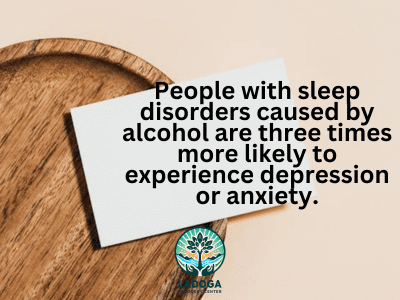
- Increased risk of anxiety and depression.
3. Physical Health Consequences
Prolonged sleep disturbances due to alcohol use contribute to a range of health issues, including:
- Weakened immune function.
- Increased risk of heart disease and high blood pressure.
- Hormonal imbalances that affect metabolism and overall well-being.
The Role of Professional Treatment in Addressing Alcohol Use and Sleep Issues
Addressing the impact of alcohol on sleep requires more than just stopping alcohol use. Professional treatment is essential for managing withdrawal symptoms, restoring healthy sleep patterns, and addressing the underlying causes of addiction. At Ladoga Recovery Center, we offer a comprehensive approach to recovery that includes Detox Treatment, Residential Treatment, and Inpatient Treatment, all designed to address the physical and psychological aspects of addiction.
1. Detox Treatment: The First Step Toward Recovery
Detox Treatment is the process of safely eliminating alcohol from the body while managing withdrawal symptoms. This stage is crucial for addressing the immediate effects of alcohol on sleep.
What to Expect During Detox:
- Medical Supervision: 24/7 monitoring ensures safety during withdrawal, which often includes symptoms like insomnia, vivid dreams, and anxiety.
- Symptom Management: Medications are used to alleviate discomfort and promote better sleep.
- Stabilization: Detox prepares the body and mind for the next phases of treatment.
2. Residential Treatment: A Supportive Environment for Recovery
Residential Treatment provides a structured environment where individuals can focus entirely on healing and rebuilding their lives.
How Residential Treatment Supports Sleep Recovery:
- Therapeutic Interventions: Addressing the root causes of addiction and related sleep disturbances through individual and group therapy.
- Holistic Care: Incorporating practices like yoga, meditation, and nutrition counseling to promote relaxation and improve sleep quality.
- Skill Building: Teaching healthy coping mechanisms to replace alcohol use and restore sleep patterns.
3. Inpatient Treatment: Intensive Care for Complex Cases
For individuals with severe alcohol addiction or co-occurring mental health conditions, Inpatient Treatment offers comprehensive support.
Key Features of Inpatient Treatment:
- Dual-Diagnosis Care: Simultaneously treating addiction and mental health conditions like anxiety or depression that affect sleep.
- Medication Management: Prescribing sleep aids or other necessary medications under professional guidance.
- Around-the-Clock Care: Providing immediate support for physical and emotional challenges.
4. Addiction Therapy: Addressing the Root Causes
Therapy is a cornerstone of recovery, helping individuals understand the connection between their alcohol use and sleep problems while building strategies for lasting sobriety.
Therapeutic Modalities Offered at Ladoga Recovery Center:
- Cognitive Behavioral Therapy (CBT): Focused on identifying and changing thought patterns that lead to alcohol use and poor sleep.
- Mindfulness-Based Therapy: Teaching relaxation techniques to reduce stress and improve sleep.
- Trauma-Informed Therapy: Addressing past traumas that may contribute to alcohol dependency and sleep disturbances.
Tips for Restoring Healthy Sleep Patterns Post-Recovery
While professional treatment helps address the immediate effects of alcohol on sleep, long-term recovery requires sustained efforts to rebuild healthy sleep habits. Here are some practical tips:
1. Create a Consistent Sleep Schedule
Go to bed and wake up at the same time every day to regulate your body’s internal clock.
2. Establish a Relaxing Bedtime Routine
Engage in calming activities like reading, meditating, or taking a warm bath before bed.
3. Optimize Your Sleep Environment
Ensure your bedroom is dark, quiet, and cool, and invest in comfortable bedding.
4. Avoid Stimulants and Screen Time
Limit caffeine, nicotine, and screen exposure, especially in the evening, to promote better sleep.
5. Seek Ongoing Support
Participate in recovery groups, therapy, or aftercare programs to address ongoing challenges that may affect sleep.
Why Choose Ladoga Recovery Center?
At Ladoga Recovery Center, we specialize in treating alcohol addiction and its wide-ranging effects, including sleep disturbances. Our comprehensive, evidence-based programs are designed to help individuals achieve lasting recovery and improved quality of life.
Our Services Include:
- Detox Treatment: Safe and comfortable withdrawal management.
- Residential Treatment: A supportive environment for intensive healing.
- Inpatient Treatment: Comprehensive care for severe addiction and co-occurring conditions.
- Addiction Therapy: Tailored interventions to address the root causes of addiction.
- Aftercare Planning: Ongoing support for long-term recovery and restored sleep health.
Conclusion
Alcohol use disorders can severely impact sleep and overall health, but recovery is possible with the right support. At Ladoga Recovery Center, we’re here to guide you through every step of your journey, helping you rebuild healthy habits and regain control of your life.
Contact us today at (844)628-4917 or visit our website at Ladoga Recovery Center to learn more about our programs and take the first step toward recovery.
FAQ on How Alcohol Use Disorders Impact Sleep
How does alcohol affect sleep?
Alcohol initially acts as a sedative, helping people fall asleep faster. However, it disrupts the sleep cycle by reducing REM sleep, causing fragmented sleep patterns, and increasing wakefulness later in the night.
Can alcohol use lead to sleep disorders?
Yes, chronic alcohol use can contribute to sleep disorders such as insomnia, sleep apnea, and restless leg syndrome, making it difficult to achieve restorative sleep.
Why do people with alcohol addiction struggle with sleep during recovery?
During withdrawal, individuals often experience symptoms like insomnia, vivid dreams, and anxiety, which can further disrupt sleep. Professional detox programs help manage these symptoms.
What is the long-term impact of alcohol use on sleep?
Long-term alcohol use can lead to chronic fatigue, cognitive impairments, and increased risks of mental health issues like depression and anxiety due to poor-quality sleep.
Can professional treatment improve sleep affected by alcohol use?
Yes, treatment programs like Detox Treatment, Residential Treatment, and Addiction Therapy at Ladoga Recovery Center address both alcohol addiction and its impact on sleep, helping individuals restore healthy sleep patterns.
How can sleep be restored after quitting alcohol?
Establishing a consistent sleep schedule, practicing relaxation techniques, and seeking ongoing support through therapy or recovery groups can help improve sleep post-recovery.
Why choose Ladoga Recovery Center for alcohol addiction treatment?
Ladoga Recovery Center offers evidence-based care tailored to individual needs, including Detox Treatment, Residential Treatment, and Inpatient Treatment, to address alcohol addiction and its effects on sleep.