


I didn’t expect to come back.
After ninety days sober, I believed I had crossed the hardest part of the bridge. Life had started to feel possible again. Mornings felt clearer. Conversations felt more honest. I was beginning to recognize the person I used to be before alcohol took over so much of my life.
Then I relapsed.
Not in a dramatic way. No explosion. No headline moment.
Just a quiet decision that turned into another one… and then another.
And the moment I realized what I had done, the same thought kept repeating in my head:
“I ruined everything.”
If you’ve relapsed after time in recovery, you might recognize that feeling. The shame arrives quickly. It fills the room before anyone else even knows what happened.
But what I learned later is something I wish someone had told me earlier:
Relapse doesn’t erase recovery.
And coming back might be the most important step you ever take.
The Weight of Shame After Relapse
Shame is the first thing that greets you after a relapse.
It shows up before logic. Before compassion. Before perspective.
You remember every promise you made—to yourself, to family, to counselors, to people who believed in you. Those memories can feel overwhelming. It’s like replaying a highlight reel of every moment you felt proud of yourself, except now those memories feel distant.
The mind becomes ruthless.
You start hearing thoughts like:
“I should have known better.”
“I’m back at the beginning.”
“Everyone is going to be disappointed in me.”
For a while, those thoughts convinced me I didn’t deserve help anymore.
But relapse doesn’t erase progress. The days you stayed sober still happened. The lessons you learned still exist. The strength you showed in recovery didn’t disappear just because you stumbled.
What relapse actually does is reveal where more healing still needs to happen.
And that realization can become the start of something stronger.
The Voice That Tries to Keep You Away
After relapse, another voice appears.
It whispers things that sound logical but are actually traps.
“Why go back?”
“You already tried once.”
“They’ll think you’re a failure.”
That voice almost convinced me to stay away from recovery completely.
For weeks, I tried to convince myself I could handle things on my own. I told myself the relapse was just a mistake that I could quietly fix without anyone knowing.
But addiction doesn’t work quietly.
Eventually, the same patterns started returning. The same thoughts. The same exhaustion. The same sense that I was losing control again.
And that’s when I realized something important.
I didn’t actually want the life I had before recovery.
Even after relapse, I still remembered how it felt to live sober.
Remembering What Sobriety Felt Like
The strange thing about relapse is that it changes the way substances feel.
Before recovery, alcohol had become normal. It was part of everyday life.
But after experiencing sobriety—even for ninety days—going back felt different.
The relief was shorter. The guilt was stronger. The clarity I once had felt like something I had lost.
That contrast created a powerful realization.
I knew what life could look like without alcohol controlling everything.
And that knowledge refused to disappear.
For many people reconnecting with recovery programs near Indianapolis, that same moment of awareness becomes the reason they decide to try again.
Because once you’ve experienced life in recovery, even briefly, it’s hard to ignore the possibility of living that way again.
Walking Back Through the Door
Coming back to treatment felt terrifying.
I imagined people asking questions. I imagined disappointment. I imagined being judged for relapsing after only a few months.
But the moment I walked back in, something surprising happened.
No one acted shocked.
No one treated me like a failure.
Instead, people listened.
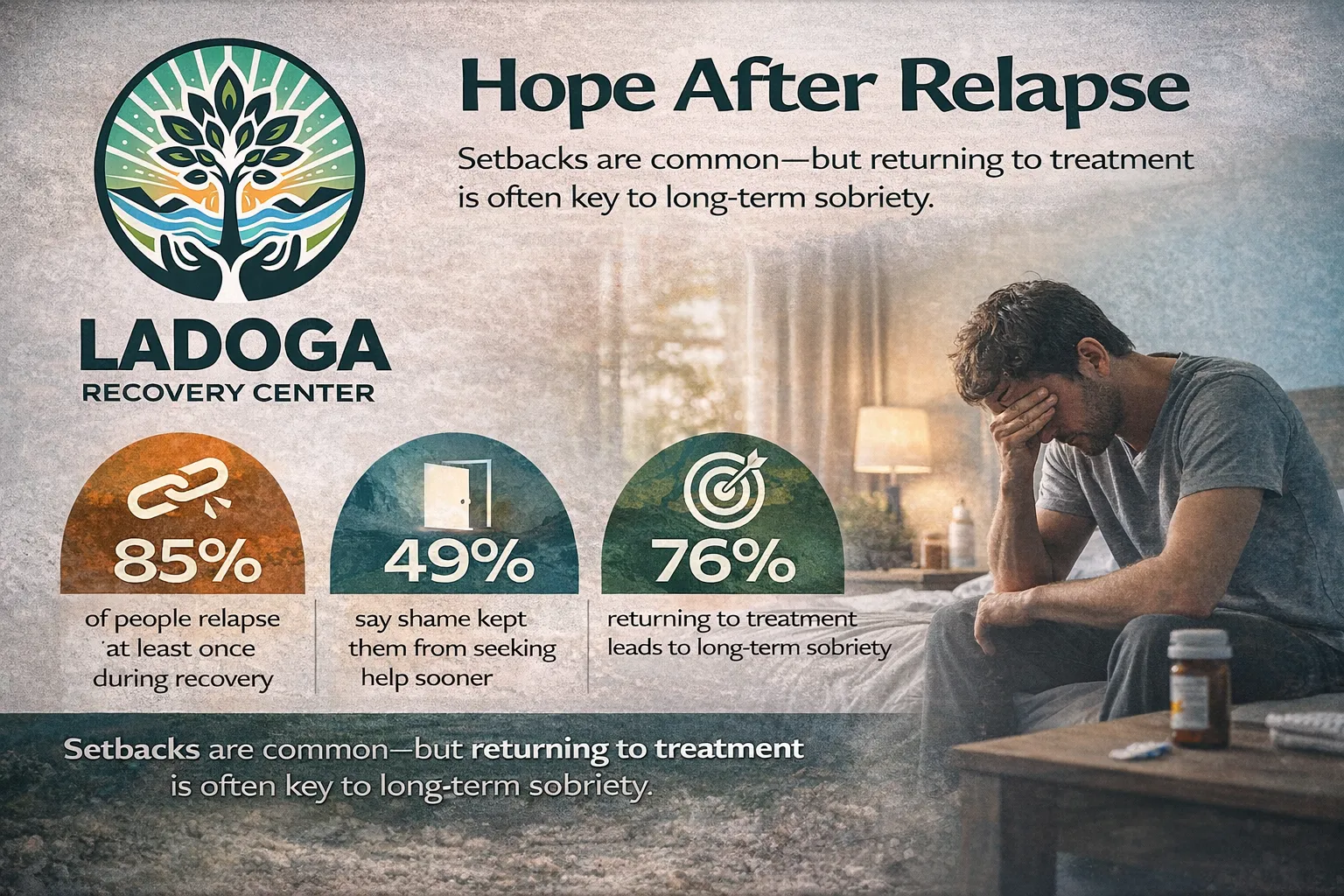
They understood something that I didn’t yet understand about myself: relapse is not uncommon in recovery. Many people experience it before finding long-term stability.
And instead of being pushed away, I was welcomed back.
People seeking care in Substance Abuse often discover that recovery communities are built around understanding, not judgment.
That moment changed the way I saw everything.
Why the Second Attempt Feels Different
The first time I entered recovery, part of me still believed I could eventually control my drinking.
I was willing to try treatment, but somewhere in the back of my mind I thought maybe I wouldn’t need it forever.
The second time was different.
Relapse had stripped away the illusion that I could manage alcohol on my own. I understood the stakes more clearly.
There was less denial. Less pretending.
Many people who return to substance abuse treatment in indiana, alcohol addiction treatment in indiana say the same thing.
The second attempt often carries a deeper honesty.
Instead of trying to prove something, people begin focusing on understanding themselves—why they drink, what triggers them, and how they can build a life that supports long-term recovery.
That shift can make the process more meaningful.
Recovery Is Not a Straight Path
One of the biggest myths about recovery is that it happens in a straight line.
People imagine a perfect timeline: treatment, sobriety, and then everything stays stable forever.
Real life rarely works that way.
Recovery is more like learning to walk after an injury. There may be setbacks. There may be moments where you lose balance.
But each step still moves you forward.
Relapse doesn’t delete the progress you made.
The coping skills you learned are still there. The self-awareness you gained is still there. The memory of what life felt like sober is still there.
Those pieces become the foundation you rebuild on when you come back.
And sometimes relapse reveals important things that were hidden before—emotional wounds, stress patterns, or unresolved trauma that still need attention.
Facing those issues can make recovery stronger than it was before.
What Coming Back Really Means
Walking back into recovery after relapse requires courage.
It means admitting that things didn’t go the way you hoped.
It means choosing honesty instead of hiding.
But it also means something powerful.
It means you haven’t given up on yourself.
That decision—to keep trying even after falling—defines real strength in recovery.
People reconnecting with care in Indiana often realize that coming back is not a sign of failure.
It’s a declaration that their life still matters.
And that they’re willing to fight for it.
The Truth About Long-Term Sobriety
Many people who maintain long-term sobriety did not achieve it on their first attempt.
Some needed to return to treatment. Some had to rebuild their recovery after setbacks.
What separates people who stay sober isn’t perfection.
It’s persistence.
They keep showing up.
They keep asking for help when things become difficult.
They learn from what happened instead of letting shame keep them stuck.
Over time, those moments of returning become part of the story of recovery rather than the end of it.
Hope Exists After Relapse
If you’re reading this after a relapse, there’s something important you should know.
You are not alone.
Thousands of people have stood exactly where you are standing right now—feeling like everything they worked for has disappeared.
And many of them went on to build stable, meaningful lives in recovery.
Relapse may feel like the end of the road.
But sometimes it’s simply a turning point.
The moment when recovery stops being about proving something and starts being about healing.
Frequently Asked Questions
Does relapse mean recovery has failed?
No. Relapse can happen in many recovery journeys. It often highlights areas where additional support or deeper healing may be needed.
Why do people feel so much shame after relapse?
Shame often comes from believing that relapse erases progress. In reality, recovery experiences and lessons remain valuable even after setbacks.
Should someone return to treatment after a relapse?
Many people benefit from reconnecting with treatment or recovery support after relapse. Doing so can help stabilize sobriety and address underlying challenges.
Is recovery harder after a relapse?
Not always. Many people approach recovery with greater honesty and understanding after experiencing relapse.
Can someone still achieve long-term sobriety after relapsing?
Yes. Many individuals who maintain long-term sobriety experienced setbacks earlier in their recovery journey.
What is the most important step after relapse?
The most important step is reaching out for support instead of isolating. Talking to professionals or recovery communities can help create a plan for moving forward.
Call (888) 628-6202 to learn more about our alcohol addiction treatment in Indianapolis, Indiana.