


Many people who eventually seek help for substance use never experienced a dramatic collapse.
They kept working.
They paid their bills.
They showed up for family.
From the outside, everything looked stable.
But inside, something felt off. A quiet pressure. A growing awareness that keeping life together required more effort than it used to.
For many people exploring opioid addiction treatment, the journey doesn’t begin with a crisis. It begins with a realization that “still functioning” isn’t the same as truly being okay.
That moment can feel confusing, even frightening. Yet it’s often the most important turning point in recovery.
Why “Functioning” Can Be Misleading
The word “functioning” creates a powerful illusion.
It suggests that if someone is still managing responsibilities, the problem can’t be serious. Many people use that idea to reassure themselves for months or even years.
But functioning often hides a deeper struggle.
Someone may still be going to work every day while privately worrying about how much they are using. They may still be present with family while feeling mentally exhausted from constantly trying to control their habits.
Functioning can become a kind of balancing act.
Life continues, but it requires more and more effort to maintain the appearance that everything is fine.
Many people who seek recovery later describe feeling like they were holding their lives together with invisible threads.
Eventually, the strain becomes impossible to ignore.
The Quiet Realization That Something Has to Change
Contrary to popular belief, people rarely decide to seek help because of a single dramatic event.
More often, the realization builds slowly.
Someone might notice that they rely on substances more than they intended. They might feel uneasy when they run out. They may promise themselves they will cut back, only to find that those promises keep slipping.
These moments accumulate.
At some point, many people pause and think:
“I’m still functioning… but I don’t feel in control anymore.”
That realization can feel deeply unsettling.
But it’s also a moment of clarity.
It’s the mind recognizing that something needs attention before the situation becomes more serious.
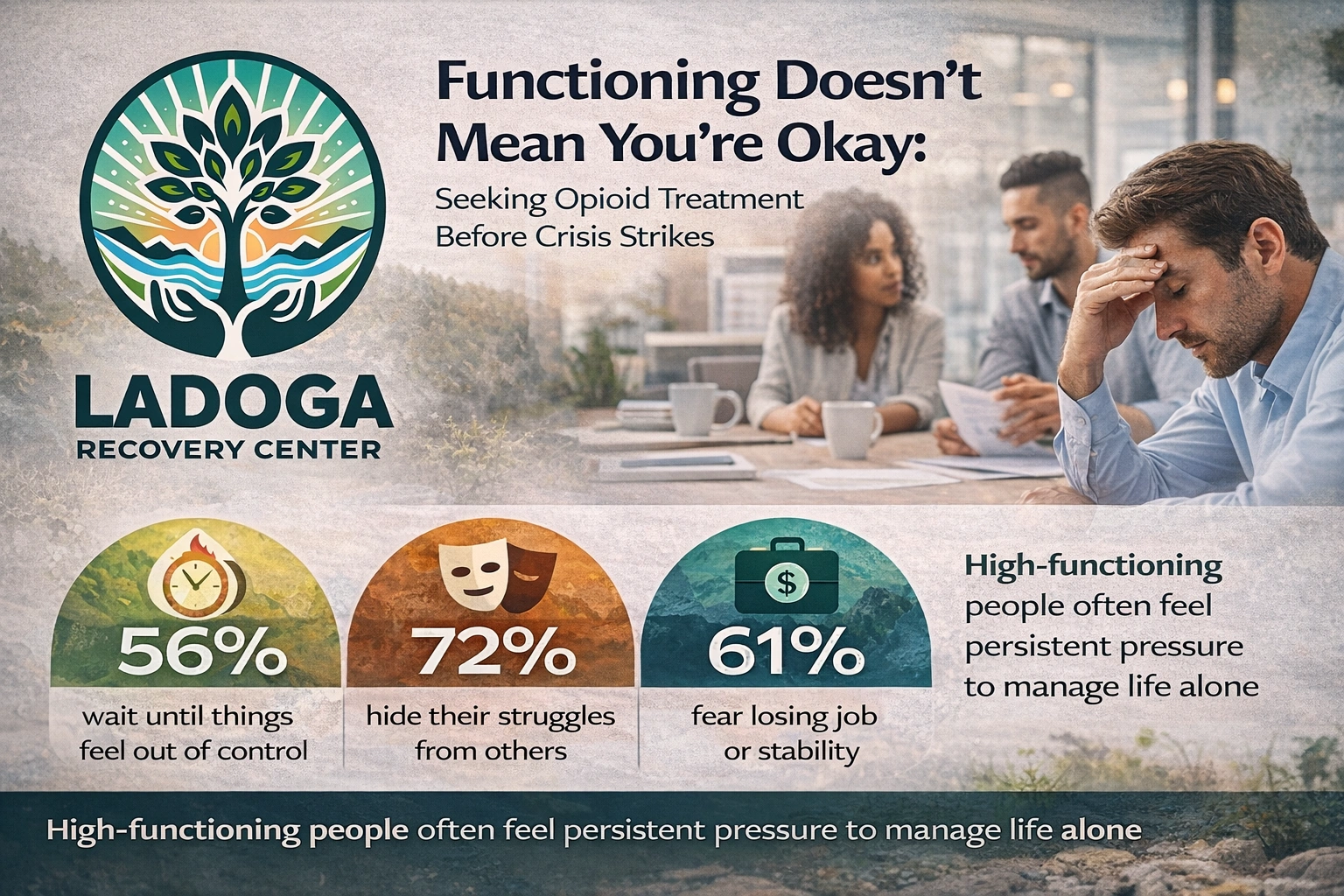
Why People Wait Even After They Notice the Problem
Even after someone realizes that their substance use is affecting their life, they often hesitate to seek help.
The hesitation is understandable.
People worry about what treatment might mean. They fear losing their independence, their job, or their routine. Some worry about being judged or misunderstood.
Others believe they should be able to fix the problem alone.
These fears keep many people stuck in the middle space where they know something is wrong but are unsure what to do next.
But treatment today looks very different from what many people imagine.
Modern recovery programs are designed to support people while they continue building stable lives—not to isolate them from the world.
For people living near Indianapolis, learning about recovery options often helps remove the fear that treatment will completely disrupt their lives.
In reality, the goal is the opposite: to help people regain control and stability.
Getting Help Does Not Mean You Failed
One of the most painful beliefs people carry into recovery is the idea that asking for help means they have failed.
But the truth is far more compassionate.
Substance use changes the brain in ways that make quitting extremely difficult without support. What feels like a personal weakness is often a biological and psychological struggle happening beneath the surface.
Seeking help is not a sign of failure.
It’s a sign of honesty.
It means someone is willing to face the truth about what they are experiencing instead of continuing to hide it.
Many people who begin substance abuse treatment in indiana, opioid addiction treatment describe feeling an enormous sense of relief once they finally speak openly about their struggles.
The pressure to pretend everything is fine disappears.
And in that moment, healing can begin.
Recovery Often Begins With Relief, Not Fear
People often imagine treatment as something intense or overwhelming.
They picture strict rules, difficult conversations, and uncomfortable change.
But many people report a completely different experience when they begin recovery.
The first feeling is often relief.
Relief from carrying the burden alone.
Relief from constantly negotiating with themselves about stopping.
Relief from feeling like their life is slowly slipping out of balance.
For many people, recovery environments provide something they have been missing for a long time: understanding.
No one is shocked by their story.
No one shames them for struggling.
Instead, they meet professionals and peers who recognize the complexity of addiction and understand the courage it takes to ask for help.
Why Early Help Makes Recovery Easier
There is a common myth that someone must reach rock bottom before treatment can help.
In reality, many people begin recovery while they are still functioning in everyday life.
Seeking support earlier can make a meaningful difference.
When people address substance use before it escalates, they often have more stability in their lives. Relationships may still be strong. Work responsibilities may still be manageable.
Recovery can then focus not only on stopping substance use but also on strengthening the parts of life that already matter to them.
For individuals living near Crawfordsville, Indiana, access to professional support has helped many people begin this process earlier than they thought possible.
And starting earlier often leads to stronger long-term recovery.
The Courage Behind the First Conversation
For many people, the hardest step is simply talking to someone.
Not committing to a full program.
Not making a huge life change.
Just starting the conversation.
Admitting that something feels off requires courage.
It means setting aside the belief that everything must be handled alone. It means allowing someone else to understand what has been happening behind the scenes.
But that first conversation often opens the door to possibilities people didn’t realize existed.
Many people discover flexible recovery options that fit their lives. Others learn about supportive communities that provide encouragement instead of judgment.
And most importantly, they realize that they are not alone.
What Life Can Look Like After Seeking Help
Recovery does not mean becoming a different person.
Instead, it often allows people to reconnect with parts of themselves that have been overshadowed by substance use.
Energy begins to return.
Mental clarity improves.
Relationships often become more genuine.
The daily mental struggle that once dominated their thoughts gradually fades.
Many people describe feeling like they can finally breathe again.
Life becomes less about managing a hidden struggle and more about building something meaningful.
And for people who once believed they were “still functioning,” the contrast can be remarkable.
They realize that functioning was only the beginning.
Thriving becomes possible.
Recovery Is About Reclaiming Your Life
One of the most important truths about recovery is that it is not about punishment.
It is about reclaiming life.
Substance use often narrows a person’s world. Decisions begin revolving around maintaining the habit. Emotional energy goes into hiding, managing, or justifying behavior.
Recovery expands that world again.
People begin rediscovering goals, relationships, and interests that once felt out of reach.
The process is not always easy. Growth rarely is.
But it opens the door to a life that feels more stable, more connected, and more meaningful.
And for many people, that journey begins with a single moment of honesty: realizing that functioning is no longer enough.
Frequently Asked Questions
Can someone really need help if they are still functioning in daily life?
Yes. Many people who seek help are still working, maintaining relationships, and handling responsibilities. Functioning does not mean substance use is harmless or sustainable.
Why do people struggle to stop even when they know there is a problem?
Substances can change brain chemistry, affecting decision-making and impulse control. This makes quitting difficult without structured support and guidance.
What if someone is afraid of being judged for seeking help?
Fear of judgment is very common. However, recovery professionals are trained to approach substance use with compassion and understanding rather than criticism.
Do people have to leave their jobs or families to receive help?
Not always. Many treatment options are designed to allow people to maintain responsibilities while receiving structured support.
Is it possible to recover even if someone has struggled for years?
Yes. Recovery happens at many different stages of life. People often find meaningful change even after years of believing things would never improve.
What is the first step toward getting help?
The first step is often simply reaching out and having a conversation. Speaking with a professional can help clarify what options are available and what path might work best.
Call (888) 628-6202 or visit our opioid addiction treatment program Indianapolis, Indiana to learn more about.