


If you’ve been questioning your relationship with alcohol, you’re not alone.
Many people reach a moment where they begin wondering if life might feel better with a different relationship to drinking. It’s not always a crisis. Sometimes it’s simply a quiet realization that something isn’t working the way it used to.
For people exploring change, learning about alcohol addiction treatment options in Indiana often becomes the first practical step toward understanding what recovery could look like.
And that first step? It’s rarely as dramatic as people imagine.
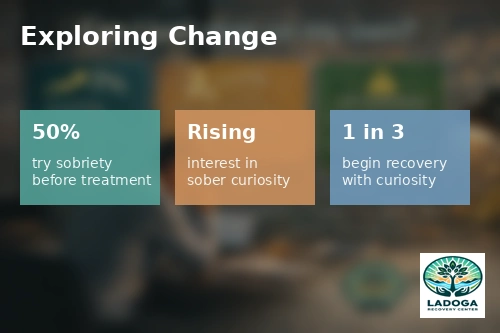
Most recovery journeys begin with curiosity.
Step 1: Start With Honest Curiosity
You don’t have to decide today that you’ll never drink again.
You don’t even have to label yourself.
The first step for many people is simply allowing themselves to ask honest questions about their relationship with alcohol.
You might notice thoughts like:
- “Why do I think about drinking so much lately?”
- “Why does it feel harder to stop than it used to?”
- “Why do I feel relieved when the first drink hits?”
These questions don’t mean something is wrong with you. They mean your awareness is growing.
Curiosity is powerful because it removes pressure. It allows you to explore possibilities rather than forcing a decision before you’re ready.
Think of curiosity as the beginning of change rather than the end of a habit.
Step 2: Pay Attention to the Moments That Spark Concern
Most people don’t start thinking about recovery randomly.
Something usually triggers the reflection.
Maybe it’s waking up with a sense of regret more often than you’d like.
Maybe you’ve tried to cut back and found it harder than expected.
Maybe alcohol has started showing up in moments where it never used to—stressful days, celebrations, boredom, loneliness.
These small signals often appear long before serious consequences happen.
Many individuals living and working in Indianapolis quietly notice these moments while continuing to function in everyday life. They maintain jobs, relationships, and responsibilities while privately wondering whether alcohol is beginning to take up more space than they intended.
That internal awareness is often the beginning of meaningful change.
Step 3: Talk to Someone Who Understands Recovery
One of the biggest fears people have about reaching out is the idea that they’ll be pressured into immediate treatment.
That isn’t how recovery conversations usually begin.
In most cases, the first step is simply talking.
A conversation with a treatment professional can help you explore your options, ask questions, and understand what kind of support might fit your life. Many people start by sharing their experiences and hearing what recovery paths exist.
Sometimes that conversation provides clarity.
Sometimes it simply reassures people that they aren’t alone in what they’re feeling.
Either way, talking with someone who understands addiction removes the isolation that often keeps people stuck.
Step 4: Learn What Support Could Look Like
Recovery doesn’t follow a single path.
Different people need different levels of care depending on their health, lifestyle, and history with alcohol.
Some individuals benefit from live-in treatment where they can focus entirely on healing in a structured environment. Others participate in multi-day weekly treatment programs while continuing to manage work or family responsibilities.
For those experiencing physical dependence, detox services can provide safe medical stabilization before beginning longer-term recovery work.
These programs offer compassionate medical oversight and support in Indiana for people who may experience withdrawal symptoms.
Learning about these options often helps people realize recovery is far more flexible and supportive than they initially imagined.
Step 5: Listen to Real Stories From People in Recovery
Sometimes the most powerful motivation comes from hearing the experiences of people who once stood where you are now.
Many individuals entering treatment say they didn’t think they belonged there.
They believed their problem wasn’t serious enough. That other people needed help more than they did.
But once they began meeting others in recovery, they discovered something important.
Their stories were remarkably similar.
One client shared this reflection after beginning recovery:
“I thought treatment was where people went when everything was broken. Instead, it felt like a place where people came to rebuild.”
Another described their first week in recovery like this:
“For the first time in years, I felt understood without having to explain everything.”
Hearing stories like these often helps people realize that recovery isn’t about punishment or shame.
It’s about connection and growth.
Step 6: Take One Small Action
The first step toward recovery doesn’t require a complete life overhaul.
In fact, it usually starts with something very simple.
For some people, it’s scheduling an assessment.
For others, it’s attending their first recovery meeting.
For many, it’s simply making a phone call they’ve been thinking about for weeks.
Small actions create movement.
Movement creates clarity.
And clarity helps people see that change is possible.
Step 7: Imagine a Different Kind of Freedom
When people are sober curious, they often worry that giving up alcohol will shrink their world.
They imagine fewer social events, less fun, fewer ways to relax.
But many people in recovery discover the opposite.
Life often becomes larger.
Mornings feel clearer.
Energy returns.
Relationships deepen because conversations become more present and authentic.
One person in recovery described it this way:
“I thought alcohol helped me enjoy life. What I learned is that life itself became easier to enjoy once alcohol wasn’t controlling it.”
That realization surprises many people.
Recovery doesn’t remove life’s possibilities.
It expands them.
The Quiet Courage of Asking for Help
Seeking help requires courage.
Not dramatic courage—the kind that happens in movies.
Quiet courage.
The kind that shows up when someone admits something honest to themselves.
The kind that appears when a person decides their well-being matters enough to explore change.
In communities like Crawfordsville, Indiana, many people reach this moment privately. They continue working, raising families, and participating in everyday life while quietly realizing they want something different.
And when they finally reach out, they often discover something surprising.
They aren’t judged.
They’re welcomed.
Frequently Asked Questions
What does it mean to be sober curious?
Being sober curious means exploring your relationship with alcohol without immediately committing to permanent sobriety. It’s about asking questions and experimenting with healthier choices.
How do people know when it’s time to seek help?
Many people begin exploring support when alcohol feels harder to control than expected, when cutting back becomes difficult, or when drinking starts affecting their emotional well-being.
Will I have to stop working if I enter treatment?
Not necessarily. Many recovery programs allow people to continue working while attending structured care several days per week.
Is detox always required for alcohol recovery?
Detox is recommended when withdrawal symptoms may occur. Medical professionals can evaluate whether detox is necessary and provide safe support if it is.
What if I’m not completely sure I want to stop drinking?
That’s very common. Many people begin recovery by simply exploring their options and talking with professionals about their concerns.
Can recovery really improve everyday life?
Many individuals report improvements in sleep, energy, relationships, and mental clarity after beginning recovery. The benefits often extend far beyond simply stopping alcohol use.
The First Step Toward Change Starts With One Conversation
If you’ve been wondering whether it might be time to explore a different relationship with alcohol, that curiosity matters.
You don’t have to be certain.
You don’t need to have everything figured out.
You simply need to take one step toward the life you want to build.
Call (888) 628-6202 or visit substance abuse treatment in indiana, alcohol addiction treatment in indiana to learn more about.