

Recovery from substance abuse is a challenging yet life-changing journey, and it begins with an essential first step: detoxification. Medical detox is the process of safely removing harmful substances from the body while managing withdrawal symptoms under the care of experienced medical professionals. This stage is crucial for stabilizing individuals physically and emotionally, enabling them to transition into long-term treatment programs. At Ladoga Recovery Center, we prioritize safety, comfort, and comprehensive care during this critical phase.
In this detailed guide, we will explore why medical detox is vital for substance abuse recovery, the unique challenges it addresses, and how it sets the stage for a successful recovery journey.
What is Medical Detox?
Medical detoxification is a supervised process designed to help individuals safely withdraw from drugs or alcohol. It involves the use of medical interventions, psychological support, and close monitoring to manage withdrawal symptoms and prevent complications.
Goals of Medical Detox:
- Safe Withdrawal: Prevent life-threatening complications associated with withdrawal.
- Symptom Management: Alleviate physical and psychological discomfort.
- Stabilization: Prepare individuals for the next phase of recovery, such as Residential Treatment or Inpatient Treatment.
Unlike detoxing at home or through unmonitored programs, medical detox offers a controlled environment where professionals can address the unique challenges posed by withdrawal.
The Dangers of Skipping Medical Detox
Some individuals may attempt to detox at home, believing they can overcome withdrawal symptoms on their own. However, this approach carries significant risks:
1. Severe Withdrawal Symptoms
Withdrawal symptoms can range from uncomfortable to life-threatening, depending on the substance and the severity of use. For example:
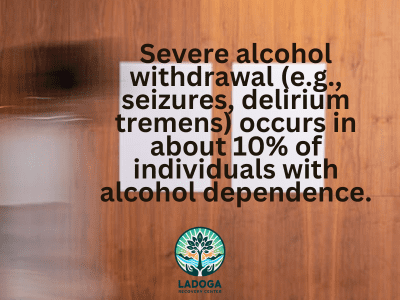
- Alcohol Withdrawal: Can cause seizures, delirium tremens (DTs), and cardiac complications.
- Opioid Withdrawal: Leads to intense pain, vomiting, and dehydration, which may not be life-threatening but can cause severe discomfort.
- Benzodiazepine Withdrawal: Can result in seizures, severe anxiety, and psychosis.
2. Relapse Risk
Without medical support, the intensity of withdrawal symptoms often leads to relapse. Individuals may return to substance use to relieve discomfort, increasing the risk of overdose.
3. Medical Emergencies
Substances like alcohol and benzodiazepines can cause fatal complications during withdrawal, such as respiratory distress or cardiovascular failure. Professional medical detox ensures these risks are mitigated.
4. Untreated Mental Health Issues
Many individuals with substance use disorders also struggle with mental health conditions like depression, anxiety, or PTSD. Without addressing these co-occurring disorders during detox, individuals may face additional barriers to recovery.
Why Medical Detox is Essential for Recovery
1. Professional Management of Withdrawal Symptoms
Withdrawal symptoms vary depending on the substance but often include both physical and psychological challenges. Medical detox provides medications and therapies to alleviate these symptoms, making the process more manageable.
- Alcohol Detox: Benzodiazepines are commonly used to prevent seizures and DTs. Medications like beta-blockers may help manage high blood pressure and heart rate.
- Opioid Detox: Methadone, buprenorphine, or clonidine may be used to ease symptoms like nausea, muscle pain, and anxiety.
- Stimulant Detox: Supportive care focuses on managing psychological symptoms like depression and fatigue, as there are no FDA-approved medications for stimulant withdrawal.
- Benzodiazepine Detox: Gradual tapering under medical supervision reduces the risk of seizures and other complications.
2. Addressing Co-Occurring Disorders
Approximately 50% of individuals with substance use disorders also have co-occurring mental health conditions. Medical detox programs at Addiction Treatment Centers like Ladoga Recovery incorporate dual-diagnosis care, ensuring that both addiction and mental health are addressed simultaneously.
3. Reducing the Risk of Relapse
The discomfort of withdrawal symptoms is one of the leading causes of relapse. Medical detox reduces this risk by managing symptoms effectively and providing psychological support. Individuals are more likely to stay committed to their recovery when they feel supported during this challenging phase.
4. Ensuring Physical Safety
Substances like alcohol and benzodiazepines carry high risks of life-threatening complications during withdrawal. At Ladoga Recovery Center, our medical team monitors individuals 24/7, providing immediate intervention if emergencies arise.
The Role of Medical Detox in the Recovery Process
Medical detox is not a standalone solution but rather the first step in a comprehensive recovery plan. It sets the stage for individuals to engage in deeper therapeutic work during Residential Treatment or Inpatient Treatment.
1. Transition to Residential Treatment
After detox, many individuals transition to Residential Treatment, where they receive 24/7 care in a structured, supportive environment. This stage focuses on addressing the psychological and emotional aspects of addiction through therapy, education, and skill-building.
2. Integration with Inpatient Treatment
For individuals with severe addictions or co-occurring mental health disorders, Inpatient Treatment provides intensive medical and psychological care. This phase builds on the stability achieved during detox, equipping individuals with the tools needed for long-term recovery.
3. Preparing for Long-Term Sobriety
Medical detox also includes planning for the future. At Ladoga Recovery Center, we emphasize aftercare planning, including outpatient therapy, support groups, and sober living arrangements, to help individuals maintain their progress.
What to Expect During Medical Detox at Ladoga Recovery Center
At Ladoga Recovery Center, we provide personalized care tailored to each individual’s needs. Here’s what you can expect during the medical detox process:
1. Comprehensive Assessment
- Physical Evaluation: Identify any medical conditions that may affect detox.
- Substance Use History: Determine the severity of dependence and the appropriate detox plan.
- Mental Health Screening: Address co-occurring mental health conditions.
2. Individualized Detox Plans
Every individual’s detox experience is unique. Our team develops a personalized plan that considers the substance used, duration of use, and overall health.
3. 24/7 Medical Supervision
- Continuous monitoring of vital signs and withdrawal symptoms.
- Immediate intervention for complications like seizures or dehydration.
4. Medication-Assisted Treatment (MAT)
- Use of FDA-approved medications to alleviate withdrawal symptoms and reduce cravings.
- Examples include benzodiazepines for alcohol detox or methadone for opioid detox.
5. Emotional and Psychological Support
- Counseling and therapy to address anxiety, depression, and other emotional challenges.
- Holistic therapies, such as meditation and yoga, to promote relaxation and mental well-being.
6. Transition to Ongoing Care
- Coordination with Residential Treatment or Inpatient Treatment programs for continued recovery.
- Development of an aftercare plan to support long-term sobriety.
Why Choose Ladoga Recovery Center for Medical Detox?
At Ladoga Recovery Center, we provide a full continuum of care, beginning with medical detox and continuing through long-term recovery programs. Here’s why we are a trusted choice for individuals seeking safe and effective detox:
- Experienced Team: Our medical professionals and addiction specialists have extensive experience managing complex detox cases.
- Comprehensive Care: We address the physical, emotional, and psychological aspects of addiction to ensure a well-rounded recovery process.
- Personalized Treatment Plans: Each individual receives care tailored to their unique needs and circumstances.
- Seamless Transitions: From detox to Residential Treatment and aftercare, we provide continuous support at every stage of recovery.
Conclusion
Medical detox is a vital step in overcoming addiction, providing the foundation for lasting sobriety. At Ladoga Recovery Center, we are committed to guiding individuals through this critical phase with compassion, expertise, and comprehensive care.
If you or a loved one is ready to begin the journey to recovery, contact us today at (844)628-4917 or visit our website at Ladoga Recovery Center. Let us help you take the first step toward a healthier, addiction-free future.
FAQ on Importance of Medical Detox for Substance Abuse Recovery
What is medical detox?
Medical detox is a supervised process that removes harmful substances from the body while managing withdrawal symptoms to ensure safety and comfort.
Why is medical detox necessary?
Medical detox is essential to safely manage withdrawal symptoms, prevent life-threatening complications, and prepare individuals for ongoing treatment.
Can I detox at home?
Detoxing at home is not recommended due to the risks of severe withdrawal symptoms, such as seizures, delirium tremens (DTs), and other medical emergencies.
How long does medical detox take?
The duration varies depending on the substance and individual factors but typically lasts 5-10 days for most substances.
What substances require medical detox?
Medical detox is crucial for substances like alcohol, opioids, benzodiazepines, and stimulants, which can cause significant withdrawal symptoms.
What happens after detox?
After detox, individuals often transition to Residential Treatment, Inpatient Treatment, or outpatient care to address the psychological and emotional aspects of addiction.
Does medical detox address mental health issues?
Yes, medical detox often includes dual-diagnosis care to address co-occurring mental health conditions alongside substance use disorders.
Why choose Ladoga Recovery Center for detox?
Ladoga Recovery Center provides personalized care, 24/7 medical supervision, and a seamless transition to further treatment, ensuring comprehensive support for recovery.