


Major life changes—whether they are positive transitions like starting a new job or challenging events like losing a loved one—can significantly impact anyone’s emotional and mental well-being. For individuals in recovery from substance use disorders, these life transitions pose unique challenges that require proactive strategies to maintain sobriety and emotional balance. Navigating these changes effectively can mean the difference between thriving in recovery or facing potential relapse.
At Ladoga Recovery Center, we provide comprehensive programs, including Detox Treatment, Residential Treatment, and Inpatient Treatment, to support individuals during recovery and through life’s inevitable changes. This guide explores why major life changes can be triggering for those in recovery and offers detailed strategies to navigate these transitions while maintaining sobriety.
Why Major Life Changes Can Be Triggering in Recovery
Major life changes disrupt routines, heighten emotional responses, and sometimes expose individuals to new challenges that can put their recovery at risk. These disruptions often bring heightened stress, which can act as a trigger for substance use. Understanding why life changes can be triggering allows individuals to prepare for them and respond in ways that support recovery.
1. Emotional Overload
Major life changes often come with heightened emotional responses, including excitement, anxiety, sadness, or grief. For those in recovery, intense emotions can feel overwhelming and may lead to the temptation to numb these feelings with substances.
2. Disrupted Routines
Maintaining a structured routine is a cornerstone of recovery. Transitions such as moving, starting a new job, or changing social dynamics can disrupt established habits and make it harder to stick to recovery-focused activities, like attending therapy or support meetings.
3. New or Amplified Triggers
New environments or relationships can introduce unfamiliar triggers. For instance, starting a new job may bring social pressures, such as after-work drinks, or living in a new place may disrupt access to established support systems.
4. Overconfidence in Recovery
Positive life changes, such as promotions or repaired relationships, can sometimes lead to a false sense of security in recovery. Individuals may feel they have “outgrown” their addiction or no longer need the same level of support, increasing the risk of relapse.
How to Navigate Major Life Changes While Staying Committed to Recovery
1. Maintain a Structured Routine
Structure provides stability during uncertain times and helps prioritize recovery. Even when life becomes unpredictable, sticking to a routine ensures that recovery-focused activities remain central to daily life.
Components of a Strong Recovery Routine:
- Morning and Evening Practices: Start and end each day with grounding activities like meditation, journaling, or prayer.
- Scheduled Therapy Sessions: Continue attending therapy or group counseling regularly.
- Exercise and Nutrition: Dedicate time to physical activity and prepare balanced meals to fuel mental and physical health.
- Recovery Check-Ins: Plan daily or weekly check-ins with a sponsor, accountability partner, or support group.
2. Focus on Emotional Self-Care
Managing emotions effectively is essential for navigating life changes while in recovery. Emotional self-care involves acknowledging your feelings and addressing them constructively rather than suppressing them.
Strategies for Emotional Self-Care:
- Practice Mindfulness: Engage in mindfulness meditation to stay present and reduce anxiety about the future.
- Journaling: Write about your emotions, thoughts, and goals to process them constructively.
- Therapy: Work with a counselor to explore complex emotions and develop coping strategies.
3. Lean on Your Support Network
Your support network is one of the most valuable resources during significant life transitions. Trusted friends, family members, sponsors, and therapists can provide perspective, encouragement, and accountability.
Ways to Strengthen Support During Transitions:
- Communicate Your Needs: Be open with loved ones about how life changes are affecting your recovery and what support you need.
- Stay Connected: Prioritize regular check-ins with your support group or accountability partner, even when life feels busy.
- Utilize Professional Support: Consider seeking additional therapy sessions during major transitions to stay grounded.
4. Identify and Manage New Triggers
Life changes often bring new triggers, whether they are related to stress, social settings, or emotional challenges. Identifying these triggers early allows you to create a plan for managing them.
Steps to Identify and Manage Triggers:
- Reflect on Past Challenges: Consider how you’ve reacted to similar transitions in the past and what triggered cravings or setbacks.
- Prepare for High-Risk Situations: If you anticipate social situations involving substances, rehearse how you will handle them or plan to avoid them altogether.
- Develop a Coping Toolkit: Create a list of grounding techniques (e.g., breathing exercises, calling a sponsor) to use when faced with triggers.
5. Set Realistic Expectations
Life changes can be overwhelming, and expecting perfection during these times is unrealistic. Instead of striving for perfection, focus on progress and allow yourself grace during difficult moments.
How to Maintain a Positive Mindset:
- Celebrate Small Wins: Acknowledge achievements like attending meetings, resisting cravings, or staying committed to your routine.
- Reframe Setbacks: Use challenges as opportunities to learn and grow rather than as reasons to give up.
- Focus on What You Can Control: Concentrate on manageable actions like self-care, therapy, and staying connected to your support system.
6. Continue Professional Treatment
Professional support is invaluable during recovery, especially when navigating major life transitions. Programs like Residential Treatment or Inpatient Treatment Program can provide the stability and tools needed to successfully manage life changes.
Benefits of Professional Support During Transitions:
- Therapeutic Support: Therapy can help you process the emotional impact of transitions and strengthen coping skills.
- Structured Environment: Programs like Residential Treatment offer a structured setting that minimizes exposure to triggers.
- Focus on Long-Term Sobriety: Treatment centers can help you create a personalized plan for managing transitions while maintaining recovery.
Preventing Relapse During Major Life Changes
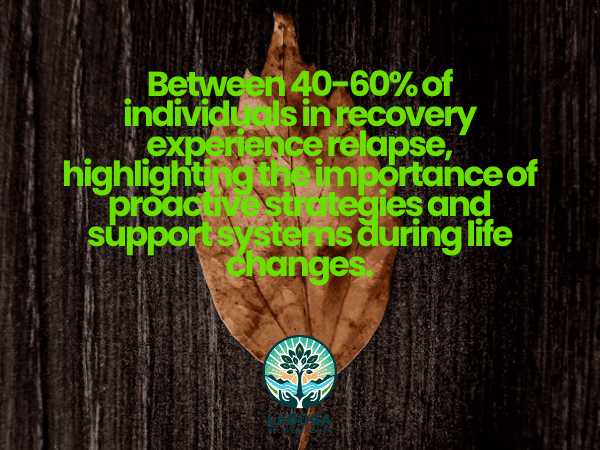
Preventing relapse requires intentional planning and a commitment to recovery-focused strategies. By staying proactive, you can reduce the risk of setbacks during life transitions.
Key Relapse Prevention Strategies:
- Create a Relapse Prevention Plan: Work with a counselor to identify potential triggers and develop strategies to manage them.
- Stay Engaged in Recovery Programs: Continue attending therapy sessions, support groups, or aftercare programs to reinforce your commitment to sobriety.
- Practice Healthy Coping Mechanisms: Use exercise, mindfulness, or creative activities to manage stress.
- Build Accountability: Regularly check in with a trusted friend, sponsor, or recovery coach to maintain motivation.
How Ladoga Recovery Center Can Support Your Recovery Journey
At Ladoga Recovery Center, we recognize that major life changes can pose unique challenges for individuals in recovery. Our comprehensive programs are designed to provide the support and resources needed to maintain sobriety through every stage of life.
Our Core Services Include:
- Detox Treatment: Safe and supervised care to manage withdrawal symptoms and prepare for long-term recovery.
- Residential Treatment: A structured environment with 24/7 support to help individuals build a strong foundation for sobriety.
- Inpatient Treatment: Intensive care and therapy for individuals facing severe addiction or co-occurring mental health conditions.
- Addiction Therapy: Evidence-based approaches like Cognitive Behavioral Therapy (CBT), group therapy, and trauma-informed care.
- Aftercare Programs: Ongoing support to help individuals navigate life transitions and maintain long-term sobriety.
Conclusion
Navigating major life changes while in recovery can be challenging, but with the right strategies, support system, and professional care, it is entirely possible to maintain sobriety and thrive. By prioritizing self-care, building a structured routine, and leaning on your support network, you can approach life’s transitions with confidence and resilience.
At Ladoga Recovery Center, we are committed to helping individuals achieve lasting recovery, no matter what challenges life brings. If you or a loved one needs support during a major life change, contact us today at (844)628-4917 to learn more about our programs and how we can help.
FAQ on Navigating Major Life Changes During Recovery
Why are major life changes challenging during recovery?
Major life changes can disrupt routines, heighten emotions, and expose individuals to new triggers, making it more difficult to stay focused on sobriety.
What are some common triggers during life transitions?
Triggers may include stress, exposure to substance-using environments, changes in routine, or overwhelming emotions such as anxiety or grief.
How can I manage stress during a life change?
Practicing mindfulness, engaging in physical activity, and leaning on a support network are effective ways to manage stress and maintain sobriety.
Should I continue therapy during major life changes?
Yes, therapy is essential during life transitions as it helps you process emotions, navigate triggers, and stay committed to recovery.
How does Ladoga Recovery Center support individuals during life changes?
Ladoga Recovery Center offers comprehensive programs, including Detox Treatment, Residential Treatment, Inpatient Treatment, and Addiction Therapy, to help individuals manage life transitions while staying focused on recovery.
What is a relapse prevention plan, and how does it help?
A relapse prevention plan identifies triggers and outlines strategies to manage them, reducing the risk of relapse during challenging times.