


When someone decides to stop drinking after prolonged or heavy alcohol use, the body often reacts with intense and sometimes dangerous withdrawal symptoms. For many, the fear of withdrawal is a significant barrier to seeking help. Fortunately, with the right medical support, the detox process can be made far safer and more manageable. One of the most critical tools in this process is the use of medications during alcohol detoxification.
At Ladoga Recovery Center, our Alcohol Detoxification Program in Indiana is designed to ensure comfort, safety, and dignity throughout the withdrawal process. Medications are used carefully and strategically to minimize discomfort, prevent medical complications, and create a smoother transition into long-term treatment.
Why Is Medical Support Needed During Alcohol Detox?
Alcohol is a central nervous system depressant that alters brain chemistry over time. When alcohol use suddenly stops, the body goes into a hyper-excitable state as it tries to regain balance—leading to withdrawal symptoms like:
- Shaking and tremors
- Anxiety or panic attacks
- Hallucinations
- Seizures
- Delirium tremens (DTs) – a severe, potentially fatal condition
Without professional medical supervision, these symptoms can quickly become life-threatening. That’s why a Detox Treatment Program in Indiana, like the one offered at Ladoga Recovery, plays a critical role in early recovery. Medications can help reduce the severity of these symptoms and prevent complications.
How Medications Are Used in Alcohol Detox
In our Addiction Treatment Center in Indiana, medication-assisted detox begins with a full medical evaluation. Each individual’s treatment is tailored based on:
- Severity of alcohol use
- Physical and mental health history
- Past withdrawal experiences
- Risk of seizures or DTs
- Co-occurring substance use or psychiatric conditions
The goal of medication use during detox is to:
- Stabilize the individual
- Prevent serious complications
- Ease psychological distress
- Encourage full participation in the detox and treatment process
Common Medications Used in Alcohol Detoxification
Here are the most frequently used medications in a clinical detox setting:
1. Benzodiazepines (e.g., diazepam, lorazepam, chlordiazepoxide)
Purpose:
Benzodiazepines are the gold standard in managing alcohol withdrawal symptoms. They reduce the risk of seizures, calm the nervous system, and help regulate sleep and anxiety levels.
How They Help:
- Prevent withdrawal seizures
- Reduce agitation and anxiety
- Minimize the likelihood of delirium tremens
Monitoring:
Doses are carefully adjusted based on withdrawal severity, vital signs, and response. Tapering schedules are used to avoid dependency.
2. Anticonvulsants (e.g., carbamazepine, gabapentin, valproic acid)
Purpose:
These medications help reduce the risk of seizures, especially in individuals who cannot take benzodiazepines due to other conditions or substance use.
How They Help:
- Stabilize brain activity
- Address neuropathic pain
- Ease anxiety and agitation
- Support long-term alcohol craving reduction (e.g., gabapentin)
3. Beta Blockers and Alpha-2 Agonists (e.g., propranolol, clonidine)
Purpose:
These medications help control physical symptoms of withdrawal such as rapid heartbeat, elevated blood pressure, and tremors.
How They Help:
- Regulate cardiovascular symptoms
- Reduce physical signs of stress
- Improve comfort during detox
4. Antipsychotics (e.g., haloperidol, olanzapine)
Purpose:
Used in cases where the individual experiences hallucinations, severe paranoia, or intense agitation.
How They Help:
- Calm severe mental distress
- Manage hallucinations during delirium tremens
- Provide psychological stabilization
5. Thiamine (Vitamin B1) and Multivitamins
Purpose:
Alcohol use often leads to vitamin deficiencies, especially thiamine, which is crucial in preventing Wernicke’s encephalopathy—a serious neurological disorder.
How They Help:
- Prevent brain damage
- Support healthy metabolism and energy
- Promote neurological healing
Benefits of Medication-Assisted Alcohol Detox
Enrolling in a medical detox program like ours at Ladoga Recovery Center offers critical advantages:
- Symptom Relief: Significantly reduces discomfort and anxiety
- Medical Safety: Prevents seizures, DTs, and cardiovascular complications
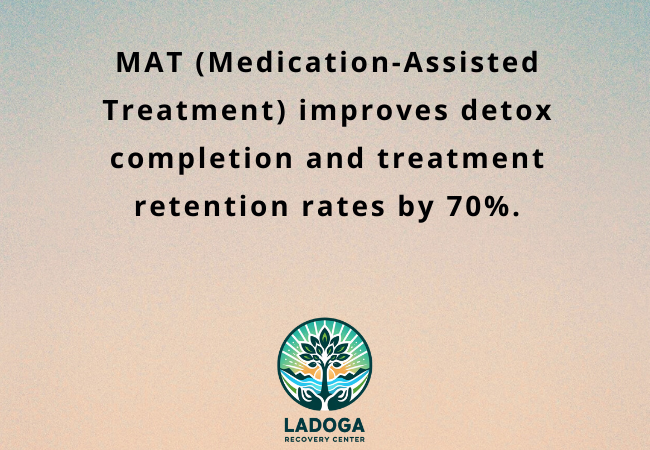
- Improved Outcomes: Increases completion rates for detox and transition into treatment
- Emotional Support: Eases psychological distress that often peaks during early withdrawal
- Stabilization for Therapy: Prepares individuals for structured therapy in a Residential Treatment Program in Indiana
What Happens After Medications Stabilize You?
Once the acute withdrawal phase has passed, and you are physically stable, the next step is transitioning into longer-term care. At Ladoga Recovery Center, you’ll be guided into the next appropriate level of care, such as:
- Residential Treatment Program in Indiana – A structured, therapeutic live-in environment
- Inpatient Treatment Program in Indiana – Focused support for co-occurring medical or mental health conditions
- Substance Abuse Treatment Program in Indiana – Individual therapy, group counseling, family education, and relapse prevention
- Alcohol Addiction Treatment in Indiana – Comprehensive treatment tailored specifically for alcohol use disorders
Our team ensures a seamless handoff, so you don’t lose momentum or face recovery alone.
Why Choose Ladoga Recovery Center?
At Ladoga Recovery Center, we are committed to offering the highest standard of care in every phase of recovery, starting with detox. Here’s why clients and families trust us:
- 24/7 Medical Supervision
- Individualized Medication Plans
- Trauma-Informed and Compassionate Care
- On-Site Transition into Long-Term Treatment
- Dual Diagnosis and Mental Health Support
- Private and Peaceful Setting in Indiana
As a premier Drug Rehabilitation Center in Indiana, we combine evidence-based care with personalized attention, helping clients detox with dignity—and build a foundation for lasting change.
Conclusion
Alcohol withdrawal is serious—but it doesn’t have to be terrifying. Medications play a crucial role in easing symptoms, protecting your health, and helping you stay engaged with your recovery. At Ladoga Recovery Center, our expert team will be with you every step of the way—ensuring you feel supported, stabilized, and ready for what’s next.
If you or a loved one is ready to begin an Alcohol Detoxification Program in Indiana, call us today at 844.628.4917. We’ll help you take the first step safely—and walk with you every step after that.
Frequently Asked Questions (FAQs)
Why are medications used in alcohol detox?
Medications are used to reduce withdrawal symptoms, prevent seizures and delirium tremens (DTs), and help individuals detox safely and comfortably.
What types of medications are used during alcohol detox?
Common medications include benzodiazepines, anticonvulsants, beta blockers, antipsychotics, and vitamins like thiamine to manage physical and psychological symptoms.
Is medication-assisted detox safe?
Yes. When administered in a licensed facility like Ladoga Recovery Center, medications are closely monitored to ensure safety and effectiveness.
Will I become addicted to detox medications like benzodiazepines?
No. Medications are prescribed short-term, with carefully controlled dosages and tapering protocols to avoid dependency.
What happens after detox medications are no longer needed?
After stabilization, clients transition into long-term care such as our Residential Treatment Program in Indiana or Substance Abuse Treatment Program in Indiana for therapy and relapse prevention.