


I remember sitting in my car, staring at nothing, knowing exactly what had just happened.
Not in a dramatic way. Not rock bottom.
Just a quiet, heavy realization:
I’m back here again.
And the worst part wasn’t the relapse.
It was the thought that followed it:
I had my chance… and I blew it.
I Thought 90 Days Meant I Was Safe
Ninety days felt like a lifetime when I first got there.
I did the work. I showed up. I said the things you’re supposed to say—but also some real ones too. I started to feel like myself again.
So when people talked about continuing care—more structure, more time, more support—I heard it as optional.
Extra.
Something for people who needed more help than I did.
I told myself I was ready for real life again.
Looking back, I wasn’t wrong for wanting that.
I was just early.
The Part Where Everything Looked “Fine”
From the outside, nothing collapsed right away.
I went back to my routine. Started picking things back up. People trusted me again. I smiled more. I said I was good.
And part of me believed that.
But underneath it, things were shifting:
- I stopped doing the small things that helped me stay grounded
- I started isolating more than I admitted
- My thoughts got louder—and meaner
It wasn’t chaos. It was drift.
And drift is dangerous because it doesn’t feel urgent.
Relapse Didn’t Feel Like Failure—It Felt Familiar
The night I drank again didn’t feel like some huge decision.
It felt like slipping into something I already knew how to survive.
That’s what shook me.
Because I realized something I hadn’t fully accepted before:
Just because I stopped for 90 days didn’t mean I had rebuilt anything strong enough to hold me.
I had distance—but not yet stability.
What I Missed About Levels of Care
No one explained it wrong. I just didn’t hear it the way I needed to.
Levels of care aren’t about checking boxes. They’re about timing.
Each phase exists to support a different part of recovery:
- Early care helps you stop and stabilize
- Ongoing structured care helps you practice living differently
- Longer-term support helps you build something that lasts outside treatment
I skipped the part where you actually learn how to live without falling back.
And life doesn’t wait for you to catch up.
The Space Between “Sober” and “Stable”
This is the part I wish someone had explained to me more clearly.
There’s a gap between being sober… and being okay.
In that gap:
- You’re still learning how to handle stress
- You don’t fully trust yourself yet
- Everything feels a little fragile, even if you don’t say it out loud
I was living in that space without realizing it.
And without continued structure—something to hold me steady—I slipped.
Not because I didn’t care.
Because I wasn’t supported in the way I needed yet.
Coming Back Was the Hardest Step
I waited longer than I should have to come back.
Not because I didn’t need help—but because I didn’t think I deserved it anymore.
That voice in my head was loud:
You already messed this up.
They’re going to see right through you.
You should’ve done it right the first time.
But eventually, something in me got tired of starting over alone.
So I came back.
And when I stepped into residential treatment in Indiana, something unexpected happened:
No one looked at me like I failed.
They looked at me like I was still in it.
That shift mattered more than I can explain.
What Staying Longer Taught Me
The second time, I didn’t rush.
Not because I suddenly had more discipline—but because I understood the cost of leaving too early.
Staying longer gave me things I didn’t even realize I was missing:
- Time for my mind to quiet down, not just my body
- Space to build routines that actually stuck
- Support during the uncomfortable middle—not just the beginning
I stopped treating recovery like a finish line.
I started treating it like something I needed to protect.
The Question Behind the Search
I’ve seen people search things like inpatient alcohol rehab Indianapolis trying to figure out how long they should stay.
I get that question now.
Because what you’re really asking isn’t about time.
You’re asking:
How long until I feel okay enough to trust myself again?
And the honest answer is—longer than your comfort zone will suggest.
Not forever. Just long enough to build something real.
If You’re Sitting in That Same Spot
If you’ve relapsed after doing “well,” I want to say something I wish someone had said to me:
You didn’t ruin your progress.
You ran out of support.
That’s not the same thing.
You can still find help in Substance Abuse that meets you where you are now—not where you think you should be.
And you don’t have to explain yourself perfectly to deserve that help.
One Line That Stayed With Me
Someone told me this during my second time back:
“Recovery isn’t about how fast you leave—it’s about how steady you become.”
That line hit harder than anything else.
Because I had been measuring the wrong thing the whole time.
Frequently Asked Questions
Does relapsing after 90 days mean treatment didn’t work?
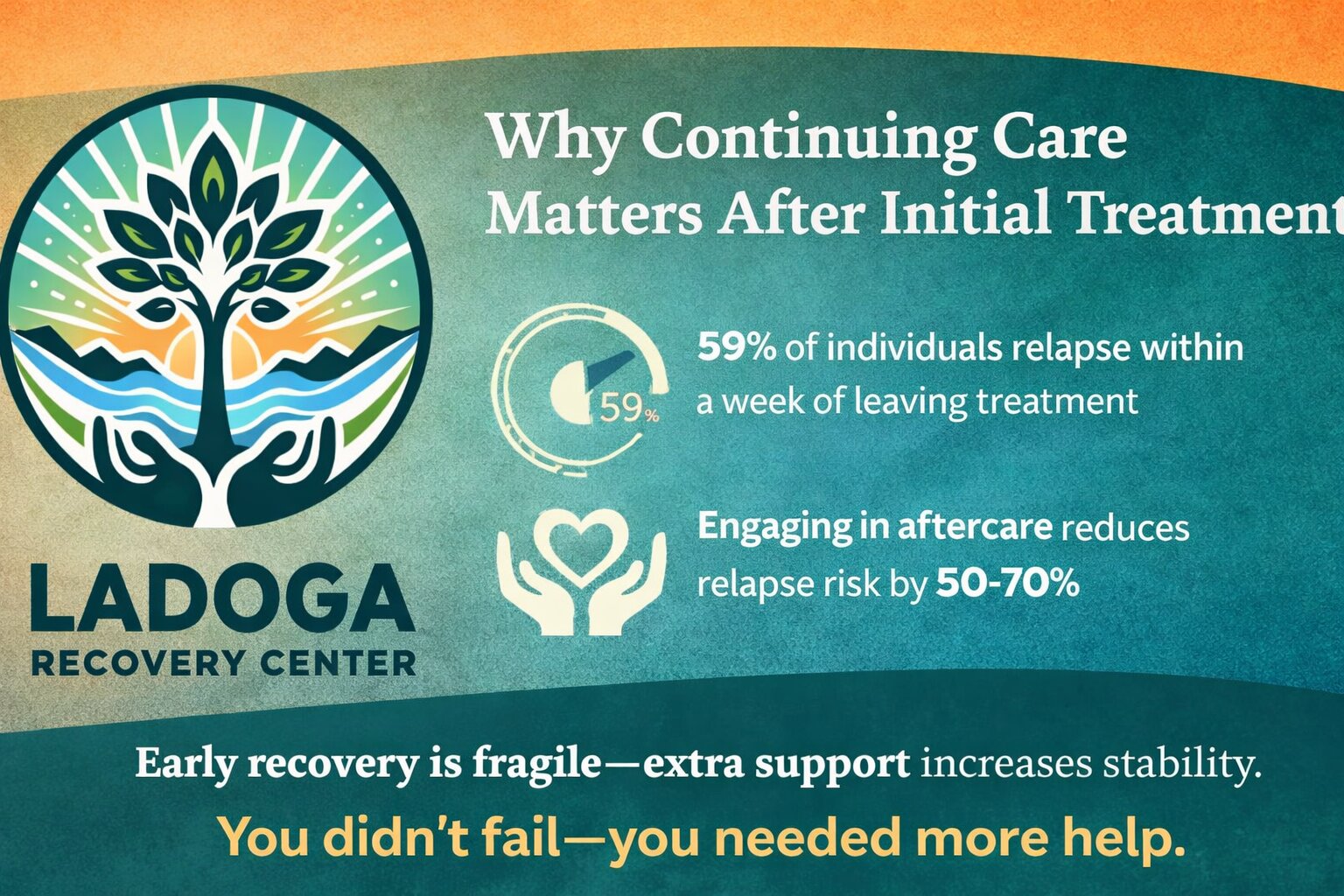
No. It usually means you needed more time or continued support. Early recovery is fragile, and many people need multiple levels of care to stabilize fully.
Why is continuing care so important after initial treatment?
Because stopping alcohol is only the first step. Learning how to live, cope, and stay grounded without it takes time—and support.
How long should someone stay in a live-in treatment setting?
It depends on the person. Some need a few weeks, others longer. The goal isn’t a fixed timeline—it’s reaching a level of stability that can hold outside treatment.
Is it normal to feel worse emotionally after leaving treatment?
Yes. Structure drops, real-life stress returns, and emotions can feel stronger. That’s why step-down care or ongoing support is so important.
What if I feel ashamed to go back?
That feeling is extremely common—but it’s also one of the biggest barriers to getting help again. Treatment teams understand relapse. Coming back is seen as strength, not failure.
Can I rebuild after a relapse?
Absolutely. In fact, many people build stronger recovery after relapse because they understand their needs more clearly the second time.
A Door That’s Still Open
If you’re thinking about coming back—or staying longer this time—you don’t have to figure it out alone.
Call (888) 628-6202 or visit our levels of care for addiction treatment in Indiana to learn more about our levels of care for addiction treatment in Indiana, residential treatment in Indiana services in Indianapolis.
You didn’t fail.
You just stepped out before the foundation was finished.
And you’re allowed to come back and build it stronger this time.