

When most people think of drug rehab, they picture detox—a physical cleansing of harmful substances from the body. While detoxification is a vital first step, it’s only the beginning. True, lasting recovery requires deep emotional, psychological, and behavioral healing.
At Ladoga Recovery, we believe in treating the whole person, not just the symptoms of addiction. Therapy is the core of our approach because it addresses what detox cannot: the thoughts, feelings, trauma, and patterns that fuel substance use.
Why Detox Alone Is Not Enough
Detox safely removes drugs or alcohol from the body, but it doesn’t change the mindset or circumstances that led to addiction in the first place. Without therapeutic support, individuals are at high risk of relapse because the root causes remain unaddressed.
At our Addiction Treatment Center in Indiana, detox is always followed by personalized therapy, delivered through inpatient, residential, and outpatient care.
Types of Therapy Used in Drug Rehab
1. Individual Therapy
One-on-one therapy provides a private space for clients to explore underlying emotions, traumas, or mental health issues that contribute to substance use.
Common techniques include:
- Cognitive Behavioral Therapy (CBT): Helps reframe negative thought patterns.
- Dialectical Behavior Therapy (DBT): Teaches emotional regulation and distress tolerance.
- Motivational Interviewing (MI): Builds motivation for change.
This work is essential in Substance Abuse Treatment in Indiana because every client’s journey is personal—and so is their therapy.
2. Group Therapy
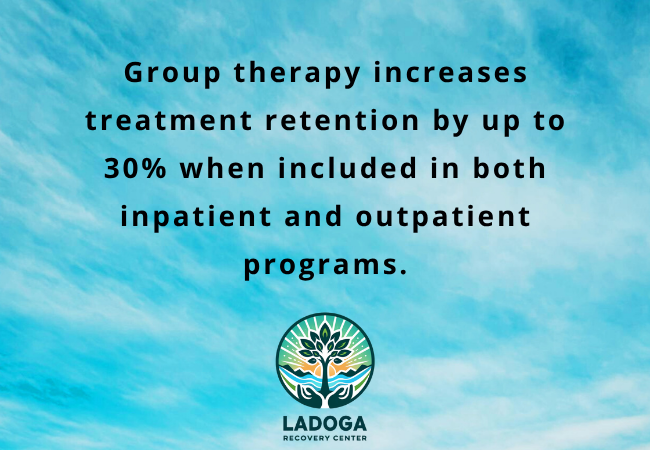
In group sessions, clients find shared experiences, build trust, and learn from others who are on similar paths. Group therapy reduces isolation and creates a sense of accountability.
Topics often include:
- Relapse prevention
- Triggers and coping strategies
- Communication skills
- Grief, shame, and trauma healing
Group therapy is a pillar of our Inpatient Treatment Programs in Indiana and helps reinforce the idea that recovery is a collective effort.
3. Family Therapy
Addiction affects families as deeply as individuals. In family therapy, we repair strained relationships, educate loved ones about addiction, and establish healthier dynamics.
Benefits include:
- Improved communication
- Rebuilding trust
- Understanding the cycle of addiction
- Preventing enabling or codependent behaviors
As part of our Residential Treatment Program in Indiana, family involvement is encouraged to support long-term healing.
4. Trauma-Informed Therapy
Many clients in our care have experienced trauma—from childhood abuse to domestic violence or combat exposure. Untreated trauma often drives substance use as a form of self-medication.
Our trauma-informed therapy approach ensures:
- A safe, non-judgmental space
- Therapists trained in PTSD and complex trauma
- Interventions like EMDR, somatic processing, or inner child work
Healing trauma is critical for those seeking Alcohol Addiction Treatment in Indiana or recovery from other substances.
5. Holistic and Experiential Therapies
In addition to talk therapy, we offer holistic approaches that support healing on all levels.
These may include:
- Art and music therapy
- Mindfulness and meditation
- Physical fitness and yoga
- Nature-based therapy
These options are integrated into our Addiction Therapy Programs in Indiana to address the emotional, spiritual, and somatic dimensions of recovery.
How Therapy Supports Different Phases of Rehab
During Detox
Even during detox, therapy begins. Clients may receive brief counseling, education about withdrawal, and support for managing anxiety. Our Detox Treatment Programs in Indiana include emotional care alongside medical stabilization.
In Residential/Inpatient Care
This is the most therapy-intensive phase. In our Residential Treatment Program in Indiana, clients participate in multiple therapy sessions daily—both individually and in groups.
Therapy at this stage:
- Begins identifying root causes
- Builds emotional awareness
- Lays the groundwork for behavioral change
In Outpatient and Aftercare
After completing inpatient care, clients transition to outpatient therapy to continue working on:
- Maintaining sobriety in daily life
- Managing stress and triggers
- Rebuilding relationships and career goals
- Preventing relapse
Our Addiction Therapy Programs in Indiana are customized to provide long-term support that evolves as clients grow.
The Link Between Mental Health and Addiction
Over 50% of individuals with substance use disorders also experience a co-occurring mental health condition such as:
- Depression
- Anxiety
- PTSD
- Bipolar disorder
Therapy in rehab addresses both addiction and mental health simultaneously—what’s known as dual diagnosis treatment. At Ladoga Recovery, this is not a specialty—it’s our standard of care.
Therapy Empowers Clients With Tools for Life
Therapy teaches more than just how to avoid relapse. It helps individuals:
- Identify unhealthy patterns
- Communicate effectively
- Build self-worth and purpose
- Navigate grief, shame, and trauma
- Develop coping skills that last beyond treatment
These are lifelong tools that support lasting transformation, not just temporary abstinence.
Why Therapy Is Essential in Alcohol Rehab
Alcohol is one of the most widely accepted and socially normalized substances—making recovery especially complex. Our Alcohol Detoxification Program in Indiana addresses the physical dependency, but therapy helps dismantle:
- Emotional dependence on alcohol
- Social pressure and peer influence
- Underlying trauma or stress driving use
Therapy is the bridge between stopping alcohol use and creating a new, empowered life without it.
Why Choose Ladoga Recovery for Therapy-Based Rehab?
As a leading Addiction Treatment Center in Indiana, Ladoga Recovery offers:
- Expert clinical team trained in trauma and addiction
- Full continuum of care—from detox to aftercare
- Individual, group, and family therapy options
- Holistic and evidence-based therapies
- Customized care for every client
Whether you’re entering detox, residential treatment, or outpatient therapy, our approach is centered on healing the whole person.
Conclusion
Detox can clear your body, but therapy heals your mind—and that’s where lasting recovery begins. At Ladoga Recovery, we help clients move beyond addiction by rebuilding self-esteem, resilience, and purpose through compassionate therapy.
Call us today at 844.628.4917 to explore our full range of therapy-based Substance Abuse Treatment in Indiana. Because real recovery isn’t just about sobriety—it’s about healing your life.
FAQ on Drug Rehab
Why is therapy important in drug and alcohol rehab?
Therapy addresses the root causes of addiction—trauma, mental health, stress—and equips clients with coping tools for long-term sobriety. At Ladoga Recovery, therapy is central to our Substance Abuse Treatment in Indiana.
What types of therapy are used in rehab at Ladoga Recovery?
We offer individual therapy (CBT, DBT), group therapy, family counseling, trauma-informed care, and holistic approaches such as mindfulness and fitness. All are integrated into our Addiction Therapy Programs in Indiana.
Can I receive therapy during detox?
Yes. While detox focuses on physical stabilization, we begin supportive counseling and emotional care during our Detox Treatment Programs in Indiana, especially for clients in our Alcohol Detoxification Program in Indiana.
Is therapy included in inpatient rehab programs?
Absolutely. Our Inpatient Treatment Programs in Indiana include intensive therapy daily—both individual and group-based—to help clients develop emotional insight and behavioral change.
How does family therapy support recovery?
Addiction affects the whole family. Family therapy improves communication, rebuilds trust, and creates a healthy support system for recovery in our Residential Treatment Program in Indiana.
What if I have trauma or mental health issues along with addiction?
We specialize in dual diagnosis care, treating addiction and mental health together. Therapy at our Addiction Treatment Center in Indiana is trauma-informed and customized for your full healing.