


I thought hitting 90 days sober would fix something inside me.
Not everything. But enough that life would finally feel manageable again. Enough that my family would stop watching me so carefully. Enough that I could stop waking up every morning feeling like one bad day away from ruining everything.
For a while, I honestly believed I had made it through the hardest part.
I was going to meetings. Calling people occasionally. Posting recovery milestones online. Smiling in photos again. From the outside, I probably looked like someone rebuilding their life.
Inside, though, I felt like I was balancing on ice that kept getting thinner.
By the time I started looking into residential treatment in Indiana, I already believed I had failed recovery completely. What I didn’t understand yet was that relapse after 90 days didn’t erase my progress. It revealed how much pain I was still carrying underneath it.
The Relapse Started Before I Used Again
This is the part I wish someone had explained to me earlier.
Relapse didn’t begin the night I picked up.
It began weeks before that.
It started in quieter ways:
- I stopped answering calls from sober friends.
- I became emotionally isolated while pretending I was fine.
- I started romanticizing old behaviors.
- I got tired of talking honestly.
- I stopped telling people how overwhelmed I actually felt.
At first, none of those things looked dangerous.
That’s what makes relapse tricky sometimes. It rarely announces itself dramatically at the beginning. It creeps in through exhaustion, disconnection, resentment, loneliness, and emotional numbness.
I remember sitting in meetings feeling physically present but mentally somewhere else entirely. Everyone around me sounded hopeful. I felt like I was slowly disappearing behind my own eyes.
But I kept smiling.
Because I thought struggling after 90 days meant I was doing recovery wrong.
The Pressure to “Do Recovery Right” Almost Crushed Me
There’s a weird pressure that can happen after people start rooting for you.
Family members relax a little. Friends say things like:
“You seem so much better.”
And part of you desperately wants that to be true.
I became obsessed with looking stable instead of actually being honest.
I didn’t want to disappoint anyone again. I didn’t want people watching me nervously. I didn’t want to become the relapse story everyone whispers about after meetings.
So instead of admitting I was struggling emotionally, I doubled down on pretending.
That pretending became exhausting.
And eventually, exhaustion started sounding dangerous in my head:
“Maybe one time wouldn’t matter.”
“Maybe I’m overreacting.”
“Maybe I was never that bad anyway.”
Addiction has a way of whispering softly before it starts screaming.
I Thought Relapse Meant Everything Was Ruined
The shame after I used again felt immediate.
Not cinematic. Not dramatic. Just crushing.
I remember sitting alone afterward feeling hollow in a way I still struggle to explain. Ninety days suddenly felt worthless. I convinced myself I had thrown everything away.
That mindset is part of what keeps so many people stuck after relapse.
Because relapse doesn’t just hurt physically or emotionally—it attacks identity.
You start thinking:
- “I’m a fraud.”
- “People were stupid to trust me.”
- “I’ll never get this.”
- “Maybe this is just who I am.”
And honestly? Shame can become more dangerous than the relapse itself.
Shame isolates people.
Isolation feeds addiction.
Then addiction creates more shame.
That cycle can get dark very quickly.
I Needed More Support Than I Wanted to Admit
One of the hardest things for me to accept was this:
My first level of care wasn’t enough anymore.
I hated admitting that.
Part of me believed needing more treatment meant I was weaker than everyone else. I thought stronger people stayed sober with less support.
But recovery isn’t a competition about suffering independently.
Some people genuinely need:
- More structure
- More accountability
- More emotional support
- More time away from triggers
- More mental health care
- More stabilization
I was one of those people.
And honestly, finally admitting that probably saved my life.
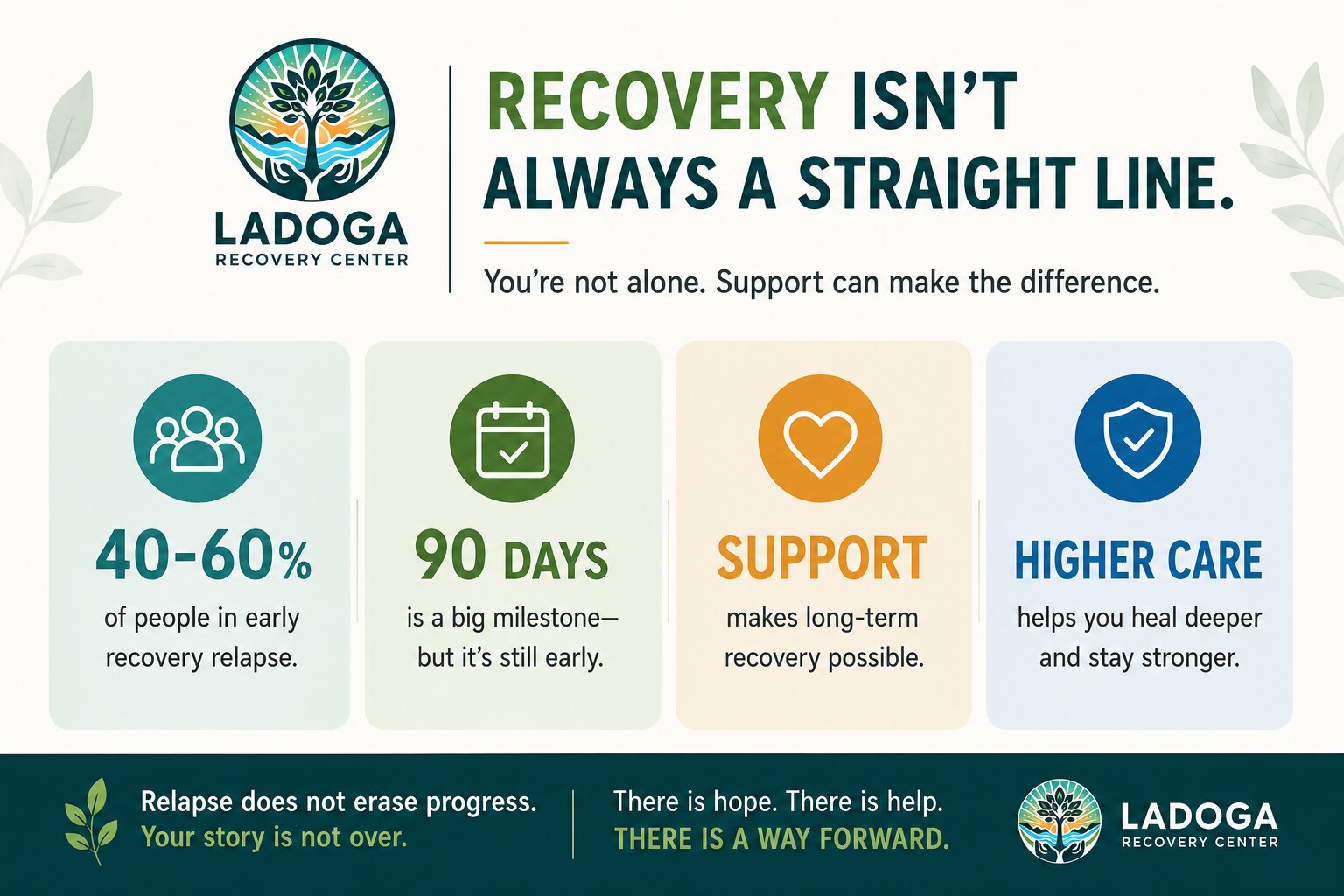
Recovery Became Harder After the Initial Momentum Faded
Nobody warned me about how emotionally strange sobriety could feel after the first few months.
In the beginning, everything felt intense. Every sober day felt important. People celebrated milestones. I had constant encouragement.
Then normal life came back.
And that’s when things got difficult.
Because underneath the substances, I still had:
- Anxiety
- Loneliness
- Emotional numbness
- Self-hatred
- Fear
- Restlessness
- Trauma I hadn’t dealt with
- A brain constantly searching for relief
Sobriety didn’t instantly remove those things.
Sometimes it made them louder temporarily.
I think that surprises a lot of relapsed alumni. You expect freedom to feel freeing immediately. Instead, early recovery can sometimes feel emotionally raw in ways people don’t prepare you for.
And if someone doesn’t have enough support underneath them, that emotional weight can become unbearable.
Live-In Treatment Helped Me Stop Performing Recovery
When I finally entered more structured care, I expected judgment.
I thought people would see me as the guy who “couldn’t stay sober.”
Instead, I met people who understood exactly how relapse works emotionally.
That mattered more than I expected.
Because for the first time in months, I stopped trying to look okay.
I stopped performing recovery.
I admitted:
- I was scared constantly.
- I felt emotionally exhausted.
- I didn’t trust myself anymore.
- I still wanted relief sometimes.
- I didn’t know how to sit with myself sober yet.
And weirdly, that honesty became the beginning of actual healing.
Not pretending.
Not motivational quotes.
Not fake confidence.
Just honesty.
Structure Helped Calm the Chaos in My Head
One of the biggest things live-in treatment gave me was rhythm again.
Sleep. Food. Therapy. Conversations. Accountability.
That sounds simple until you realize how chaotic addiction makes everyday life internally.
Before treatment, my mind felt like a room with ten radios playing at once:
- Shame
- Cravings
- Fear
- Self-hatred
- Panic about the future
- Regret about the past
I was exhausted from my own thoughts.
Structure slowed some of that down enough for me to finally start understanding why I kept running toward substances in the first place.
It wasn’t just about getting high.
It was about escape.
Financial Fear Almost Stopped Me From Getting Help Again
I don’t think people talk enough about how ashamed relapsed alumni feel asking about money.
After relapse, I already felt like a burden. The thought of needing more treatment financially terrified me.
I remember searching:
“live-in drug rehab that takes medicaid Indiana”
Not because I wanted some perfect rehab experience.
Because I was scared I wouldn’t survive without more help.
A lot of people searching for Medicaid inpatient rehab Indiana are carrying that same fear quietly:
“What if I need more treatment and can’t afford it?”
That fear keeps people sick longer than they should be.
And honestly, shame around needing another level of care after relapse can feel heavy enough already without financial panic stacked on top of it.
I Had to Stop Thinking Recovery Was About Willpower
This was probably the biggest shift for me emotionally.
For a long time, I believed recovery success came down to discipline. Either you wanted sobriety badly enough or you didn’t.
But addiction recovery is more complicated than motivation alone.
People relapse for many reasons:
- Unresolved trauma
- Mental health struggles
- Isolation
- Emotional exhaustion
- Lack of support
- Unsafe environments
- Chronic stress
- Shame
- Fear of vulnerability
I didn’t relapse because I didn’t care about recovery.
I relapsed because I was emotionally drowning quietly while trying to convince everyone—including myself—that I was fine.
That’s why higher levels of care matter sometimes. Not because someone is hopeless. Because they need more support underneath them than they currently have.
Recovery Became More Real the Second Time Around
This may sound strange, but my second attempt at recovery felt more honest than my first.
The first time, I wanted to escape consequences.
The second time, I wanted peace.
Not fake positivity. Not dramatic transformation. Just peace. A nervous system that didn’t feel constantly at war with itself.
Treatment helped me realize something important:
Relapse did not erase my ability to recover.
It simply exposed the places where I still needed healing.
Some people also begin that process through detox-focused care in Indiana before transitioning into longer-term support.
Others need broader help in Substance Abuse care that addresses mental health and emotional recovery alongside addiction treatment.
There isn’t one correct version of recovery.
If You Relapsed, You Are Not Starting From Zero
I wish someone had told me this sooner:
You do not lose everything you learned just because you relapsed.
The coping skills still matter.
The sober days still mattered.
The honesty still mattered.
The effort still mattered.
Relapse hurts deeply. But it does not erase your humanity or disqualify you from recovery.
Sometimes relapse is the moment people finally stop trying to survive alone.
And sometimes needing more care is not failure at all.
Sometimes it’s the first truly honest step toward getting better.
Frequently Asked Questions About Relapse and Higher Levels of Care
Is relapse after 90 days common?
Yes. Many people relapse during early recovery, especially within the first year. Early sobriety can bring emotional, mental, and environmental challenges that take time to learn how to manage.
Does relapse mean treatment failed?
No. Relapse often signals that additional support, structure, or treatment adjustments may be needed. Recovery is rarely a straight line.
Why do people relapse even when they want sobriety?
People may relapse due to stress, trauma, cravings, mental health struggles, emotional isolation, unsafe environments, or lack of support. Wanting recovery and struggling at the same time can both be true.
What is a higher level of care in addiction treatment?
A higher level of care usually means more structure and support, such as live-in treatment, medical monitoring, or more intensive therapy and accountability.
Is it normal to feel ashamed after relapse?
Very normal. Shame is one of the most common emotional experiences after relapse. But shame often keeps people isolated instead of helping them recover.
Can residential treatment help after relapse?
Yes. Some people benefit from stepping into a more structured environment after relapse, especially if outpatient support alone hasn’t been enough.
What if I already tried treatment once?
Many people need multiple treatment experiences before recovery stabilizes. Returning for help does not mean you failed.
Does Medicaid cover inpatient rehab in Indiana?
Coverage varies depending on the provider, plan, and treatment needs. Many people searching for treatment are specifically looking for programs connected to Medicaid coverage options.
What if I feel emotionally exhausted in sobriety?
That experience is more common than people realize. Early recovery can bring emotional fatigue, anxiety, grief, and loneliness to the surface. Additional support can help.
How do I know if I need more support after relapse?
If you feel unable to stay sober safely, emotionally overwhelmed, isolated, or caught in repeated relapse cycles, it may be time to explore a higher level of care.
Call (888) 628-6202 or visit our levels of care for addiction treatment in Indiana, residential treatment in Indiana to learn more about supportive treatment options and what rebuilding recovery can look like after relapse.