

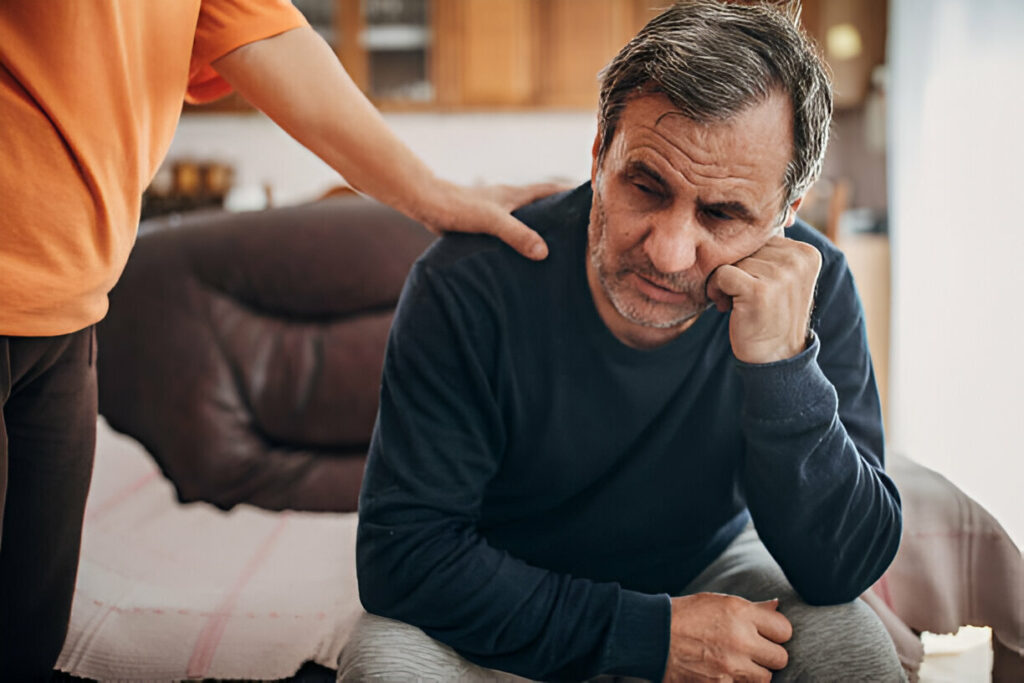
Even if you’ve stopped drinking, the world doesn’t magically feel lighter overnight. There’s a strange quiet that comes after alcohol—the quiet of your own thoughts, of long mornings, of weekends that feel unstructured and strange. And if you’re considering alcohol detox, you might be carrying even more fear. What does it feel like? What if it’s awful? What if I can’t do it?
Let’s take a breath together and break it down. You don’t need to know how to do everything yet. You just need to know what happens next—and that you won’t have to do it alone.
Learn more about our alcohol detox program in Indiana.
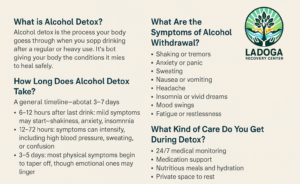
What is alcohol detox?
Alcohol detox is the process your body goes through when you stop drinking after a period of regular or heavy use. It’s your system rebalancing—physically and chemically—after relying on alcohol to function. In some ways, it’s like waking up your body from a long sleep. Things might feel off at first. But over time, you start coming back online.
Detox isn’t a punishment. It’s not about shame or control. It’s about giving your body the conditions it needs to heal safely.
For many, it’s also a turning point. A clearing of the fog. A first step toward a version of life where you don’t wake up with dread—or need a drink just to feel level.
How long does alcohol detox take?
Most detox processes take about 3 to 7 days, but it can vary. Here’s what often shapes the timeline:
- How much and how often you drank
- How long you’ve been drinking
- Your overall physical health
- Other substances in your system
- Past withdrawal history
Here’s a general timeline:
- 6–12 hours after last drink: mild symptoms may start—shakiness, anxiety, insomnia.
- 12–72 hours: symptoms can intensify, including high blood pressure, sweating, or confusion.
- 3–5 days: most physical symptoms begin to taper off, though emotional ones may linger.
But the real marker of detox isn’t time—it’s stabilization. That’s what we help you reach.
What are the symptoms of alcohol withdrawal?
Withdrawal symptoms can be uncomfortable. But they’re also your body’s way of recalibrating.
Common symptoms include:
- Shaking or tremors
- Anxiety or panic
- Sweating
- Nausea or vomiting
- Headache
- Insomnia or vivid dreams
- Mood swings
- Fatigue or restlessness
In some cases, people may experience:
- Hallucinations
- Seizures
- Delirium Tremens (DTs) — a serious condition marked by confusion, rapid heartbeat, fever, or agitation
It’s important to know: you don’t need to be on the extreme end of this list to deserve support. Even mild withdrawal can feel overwhelming—especially when you’re emotionally raw or newly alone in sobriety.
What kind of care do you get during detox?
At Ladoga Recovery Center, alcohol detox is built around three core principles: safety, comfort, and human connection.
Here’s what that looks like:
- 24/7 medical monitoring: We keep a close eye on vital signs and symptoms, ready to respond to any changes.
- Medication support: You may be offered medications to ease symptoms, reduce anxiety, or prevent complications.
- Nutritious meals and hydration: Many people come into detox depleted. We help your body rehydrate and rebuild gently.
- Private space to rest: You’ll have a quiet, clean environment to recover—without distractions or demands.
- Compassionate staff: Our team doesn’t just monitor. They sit with you. Check in. Bring you water. Offer conversation—or silence—when needed.
A former client shared:
“The first night, someone sat next to me while I stared at the ceiling. They didn’t rush me or ask questions. They just made sure I didn’t feel invisible.”
That’s what we mean when we say detox with dignity.
Is alcohol detox painful?
It can be—but it’s not meant to be punishing. The goal of supervised detox is to make withdrawal safer and more manageable, both physically and emotionally.
We don’t believe in letting people suffer needlessly. Discomfort can often be relieved with proper medications, hydration, and emotional support.
Without care, alcohol withdrawal can become dangerous fast. But with the right help, it becomes something you get through—not something that breaks you.
Can I detox at home?
It’s a common question—and an understandable one. But for most people, home detox is not safe.
Here’s why:
- Withdrawal is unpredictable: Even people who’ve quit before without issue can develop dangerous symptoms.
- No one to intervene if something goes wrong: Seizures, DTs, and dehydration can escalate quickly.
- Emotional strain: Detox can trigger depression, anxiety, and panic. Doing that alone is hard—and risky.
- Temptation to drink again: Many people resume drinking just to stop the symptoms—and then feel even worse after.
Supervised detox offers not just protection—but relief. You deserve both.
What happens after detox?
Detox is the door. What happens after is the path.
Once you’re physically stable, we’ll help you transition into a next step that fits your life and needs. This could include:
- Residential treatment: For deeper healing in a structured environment
- Intensive Outpatient Program (IOP): For those ready to live at home but still needing daily support
- Therapy referrals: To address the mental and emotional side of recovery
- Peer and alumni support: To build community around your sobriety
You don’t have to figure it all out on day one. Just know this: you’ll have options, and you won’t walk out alone.
What if I don’t feel better right away?
That’s completely normal.
Early sobriety can feel strange. The fog lifts, but everything feels… quiet. Too quiet, sometimes. Boredom, grief, numbness, restlessness—all of that is part of it.
What detox does is clear the path. It gives your body space to begin again.
Feeling “off” afterward doesn’t mean detox didn’t work. It means your nervous system is still finding its balance—and your emotions are surfacing without alcohol’s filter.
You don’t have to feel good right away. You just have to stay long enough for things to start feeling real again.
What if I’m scared?
You’re not alone in that, either.
Fear shows up when something matters. And sobriety—real sobriety, not just white-knuckling through a weekend—can feel like a leap.
You don’t need to be fearless. You just need to be willing. And that willingness is more powerful than you think.
If you’re reading this, some part of you already knows: it’s time.
What detox in Ladoga feels like
There’s something quiet and steady about Ladoga. The trees sway slowly. The seasons shift without drama. It’s a small town, but not a forgotten one.
That’s the energy we bring into detox: steadiness, calm, and presence.
You don’t have to explain yourself here. You don’t have to have the right words. You can show up messy, unsure, and full of doubt.
And we’ll meet you with care—not judgment.
Ready to take the first step?
Call (888) 628-6202 or visit our alcohol detox program in Ladoga, Indiana to learn more. Whether you feel ready or not—we’re here, and the door is open.