

It’s not just the fear of getting sober. It’s the fear of disappearing.
As clinicians, we see it all the time—deeply feeling, uniquely wired, wildly creative people who walk into a residential treatment program carrying more than pain. They carry identity. Artistry. Edge. A self they’ve built, sometimes painfully, over time.
And they’re terrified that healing might erase it all.
If you’re someone who’s ever thought, “I’m scared that getting better will make me boring”—you’re not being dramatic. You’re protecting something sacred. Something that makes life feel worth living.
We get it. And we want you to know this: that fear isn’t a problem to solve. It’s a signal to honor.
At Ladoga Recovery Center, we work with people from across Crawfordsville and West Lafayette who share these same fears. You are not alone, and you don’t have to choose between recovery and identity.
Your Fear Isn’t Resistance—It’s a Deep Knowing
Here’s what most people don’t realize: that fear of losing yourself in treatment? It’s not a red flag. It’s wisdom. You already know that substances or behaviors didn’t just show up randomly—they tangled with how you process the world. With how you survive the world.
Maybe alcohol helped you access your emotions when nothing else could. Maybe stimulants kept your mind from drowning in fog. Maybe late-night highs were the only time you felt creative, funny, or magnetic.
So when we say, “Let’s take that away,” your whole nervous system says, “Wait—then who will I be?”
That’s not denial. That’s intelligence.
We Don’t Rush That Question. We Sit With It.
The last thing someone in your shoes needs is a quick-fix answer. You don’t need “It’ll be fine.” You need someone who actually sees the weight of that question: What if I get better but feel less alive?
So we don’t push. We don’t preach. We sit in the tension with you. That’s where real therapeutic work begins—in the honest questions, not the tidy answers.
You’re allowed to mourn what substances gave you, even as you start to untangle from them.
Your Artistry and Identity Matter Here
In a well-held residential setting, you don’t have to quiet your weirdness to fit in.
We’ve had poets writing in their detox journals, painters sneaking acrylics into group therapy, musicians composing sober lyrics for the first time in years. And every single one of them feared they’d lose their creativity when they lost their crutch.
But when the fog started to lift—something came back.
Sometimes it came back shakier, more raw, less euphoric. But it came back real.
And that realness? That’s what lasts.
What a Residential Treatment Program Actually Does
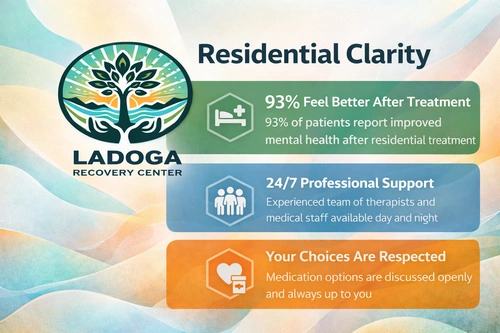
A residential treatment program isn’t a creative cage—it’s a structured sanctuary. A place where the noise quiets enough that you can hear your own thoughts again.
Yes, there’s a schedule. Yes, there are guardrails. But those aren’t there to flatten you. They’re there to protect your process—so the parts of you that have been running can finally rest.
Here’s what actually happens in a good program:
- You get clear-headed support without performance pressure.
- You have space to grieve what’s ending and consider what might begin.
- You meet others who are equally terrified of being “boring” without substances—and who are learning they’re anything but.
Sobriety Doesn’t Erase Personality—It Rebuilds Access to It
Some clients come to us afraid that sobriety will make them feel beige.
They say:
- “Will I still feel things as deeply?”
- “What if my spark dies?”
- “What if I’m not funny anymore?”
And while we can’t promise the exact emotional intensity you once had (especially the chemically induced highs), we can tell you this:
The feelings that come back in sobriety are real.
They’re slower, maybe. But they’re more sustainable. Less chaotic. More connected.
We see clients laugh—not nervously, not numbly, but freely. We see them cry and actually feel better afterward. We watch their art return—not manic, not fractured, but whole.
Sobriety doesn’t take away who you are. It gives you access to parts you haven’t felt in years.
Identity Isn’t Static—It Evolves With Safety
When survival becomes your norm, identity gets shaped around defense.
We see it every day: people who built their personality around being the loud one, the reckless one, the funny one, the wild card. But often, that’s just armor. Beautiful, smart armor—but armor nonetheless.
In treatment, you get the chance to try on new ways of being. Not because someone’s forcing you—but because the pressure to perform finally stops.
Who are you without the mask?
We’d love to find out—with you, not for you.
You Don’t Have to Perform to Heal
You don’t have to be the smartest, funniest, most insightful person in group. You don’t have to be “the creative one” who carries the room.
You can come to residential treatment confused. Quiet. Even angry.
There’s room for all of that. You are not a project. You are a person.
And you deserve care that honors your complexity.
Real People. Real Fear. Real Reconnection.
We’ve watched people walk into residential care terrified—and walk out more themselves than they’ve ever been.
Not because treatment changed their core. But because it let them lay their burdens down long enough to remember who they were before the world demanded so much.
Sometimes, the greatest act of creativity is rebuilding your life from the inside out.
FAQs About Identity and Residential Treatment
Will I still feel like myself after treatment?
Yes—but it may be a different version of yourself. Many clients report feeling more grounded, less reactive, and more connected to who they are without substances. The core of who you are isn’t erased—it’s clarified.
What if I lose my creativity in recovery?
That fear is valid. Many people tie their creative process to emotional intensity or altered states. But most discover their creativity becomes more sustainable and honest in recovery. You may write less at first—but what you write might feel truer.
Do I have to talk about things I’m not ready to share?
No. You guide the pace. Our clinicians are trained to follow your lead and help you build trust first. You’re not pushed to open up—you’re invited when you feel safe.
Is it okay to still miss the highs or parts of using?
Yes. Missing parts of substance use is normal and doesn’t mean you’re failing. Many people miss the rush, the connection, or the confidence they felt. We talk about that without judgment.
Will I be allowed to question the recovery process?
Absolutely. We want you to question it. The goal isn’t blind acceptance—it’s honest engagement. Skepticism is welcome here.
Can I still be “me” in treatment—even if I’m loud, weird, or different?
Yes. Please bring your full self. You don’t need to water yourself down. We believe the real you is worth knowing—and worth supporting.
If you’re unsure whether treatment is the right move—or afraid of who you might become without the habits you’ve leaned on—you’re not alone. Many people searching for help in substance abuse or treatment options in Indiana are quietly asking the same thing: Can I get better without losing myself?
You can. And we’d be honored to walk with you while you find out what that looks like.
You don’t have to trade your identity to heal.
Call (888) 628-6202 to learn more about our Residential treatment program services in Indiana.