

When you’re newly diagnosed—whether with a mental health condition, substance use disorder, or both—stepping into treatment can feel like stepping into the unknown. Words like “residential treatment program” might carry heavy images: locked doors, strict rules, forced medication, or being stripped of your identity. And if you’re already carrying fear about how medication might affect you—or whether you’ll lose pieces of yourself in the process—it can feel overwhelming just to consider this path.
You’re not alone in that hesitation. Many people from across Indiana—including cities like Indianapolis and Lafayette—have stood exactly where you are right now. Afraid. Skeptical. Curious. Hopeful, maybe, but unsure what to believe.
At Ladoga Recovery Center, we understand those feelings. And we want to offer you something that too many people miss when they first seek help: a clear, honest picture of what residential treatment really is—and what it definitely isn’t.
It’s a Place to Rest and Heal—Not a Lockdown
A good residential treatment program doesn’t “trap” you. It gives you room to exhale.
You’re stepping into a structured, supportive space where the chaos of daily life is dialed down so you can focus on healing. Think less like a hospital, more like a reset—one where your mental, emotional, and physical health can finally become a priority.
There’s structure, yes. And there are rules designed to keep everyone safe. But you still have autonomy. You can speak up, ask questions, and be part of your own recovery process.
It’s Built Around Support, Not Control
We’ve all seen the TV version of treatment—cold, clinical, and impersonal. But that’s not what real healing looks like.
At Ladoga, our residential treatment program in Indiana is designed to be human. You’re surrounded by trained professionals who care deeply about your well-being—but who also understand that healing doesn’t happen by force. It happens through trust, safety, and relationships.
Your schedule will include therapeutic groups, individual sessions, and downtime—all aimed at helping you build internal stability. But none of this is about “fixing” you. It’s about walking with you while you find what helps.
Therapy Is a Conversation, Not a Performance
One common fear is, “What if I don’t know what to say in therapy?”
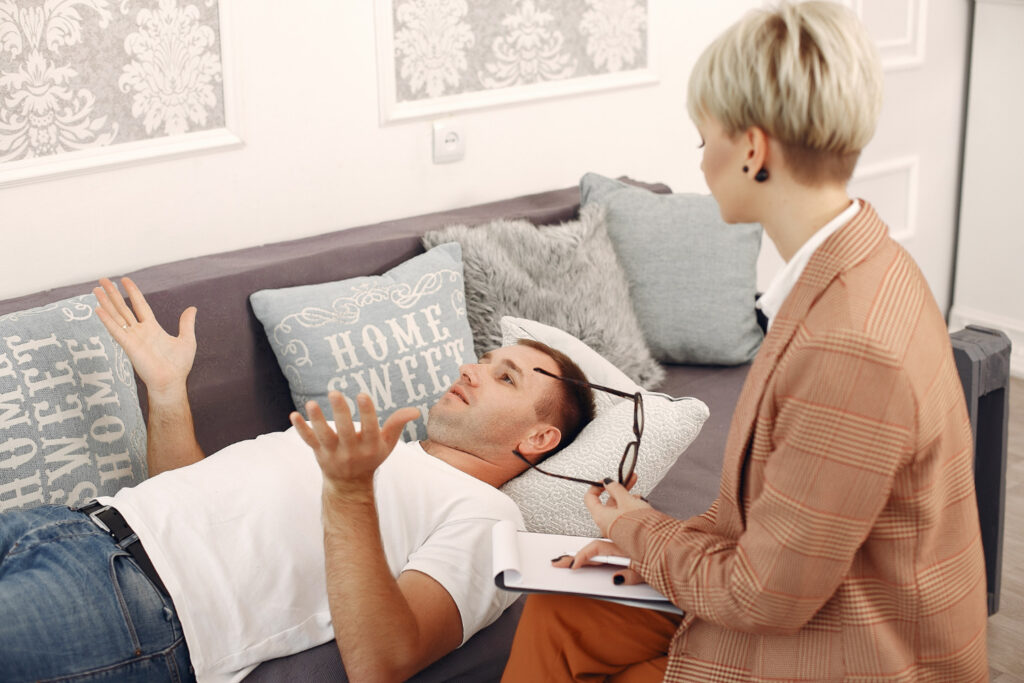
That’s okay. You’re not expected to show up with perfect words or complete clarity. Therapy isn’t a test—it’s a space. A space to be confused. A space to be angry, numb, grieving, hopeful, or afraid.
Whether you’re working one-on-one with a therapist or participating in group sessions, you’re not being graded. You’re being met. With compassion, patience, and the expertise to help you explore what you’re ready to face—on your timeline, not ours.
Medication Might Be Part of Your Care—But It’s Always Your Choice
If you’re afraid that medication might dull your personality, flatten your emotions, or make you feel like someone else, that fear is real—and it deserves to be respected, not dismissed.
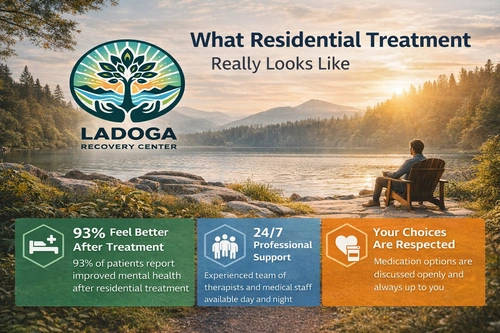
At Ladoga, you’ll never be forced into medication. Instead, we invite you into collaborative conversations with your clinical team. We’ll explore your options together. We’ll answer your questions honestly. And we’ll hold space for your autonomy.
You are the expert on your own body and mind. We’re here to offer tools—not take over.
You Don’t Need to Be in Crisis to Get Help
So many people delay seeking care because they don’t think their situation is “bad enough.” They haven’t hit rock bottom. They’re still functioning at work. They’re scared, but not totally falling apart—yet.
Here’s the truth: if something inside you is hurting, if daily life feels heavier than it should, if you’re afraid of what your diagnosis might mean—you’re already carrying enough. You don’t need to wait for things to get worse.
Residential treatment is here before the breakdown. It’s here so the breakdown might not have to happen at all.
You’ll Start Rebuilding Your Sense of Self—Not Losing It
This might be the most important myth to dismantle.
Many people hesitate to enter residential care because they’re afraid it will strip them of who they are. Especially if you’re creative, introspective, or sensitive—you may wonder: What if healing changes me in the wrong ways?
But here’s what we’ve seen: when people get the right support, they don’t lose themselves. They return to themselves. The fog lifts. The panic quiets. And underneath the pain, they find pieces of identity they thought were gone—pieces that were simply buried under survival mode.
Progress Happens in Small, Honest Moments
Residential treatment doesn’t promise perfection. It offers possibility. Some days you’ll feel strong. Some days you’ll want to shut down. But each day, you’ll be surrounded by people who know how to hold space for both.
You’ll learn coping tools. You’ll build emotional regulation. You’ll uncover triggers and patterns. And maybe for the first time, you’ll do it in an environment where your pain isn’t dismissed, your fears aren’t rushed, and your identity isn’t erased.
Healing isn’t a straight line. But it’s possible. And it starts here—with safety, support, and the decision to try.
What Happens After Residential Treatment?
Residential care isn’t forever. It’s the foundation for what comes next.
As you stabilize and gain clarity, our team will help you prepare for ongoing support—whether that’s a step-down program like IOP, outpatient therapy, or community-based care. You won’t be left to figure it out alone. And you won’t be rushed into the next phase before you’re ready.
FAQs About Residential Treatment Programs
What is a residential treatment program, exactly?
A residential treatment program is a live-in mental health or substance use program where you stay at the facility full-time while receiving therapeutic support, medication management (if needed), and structured daily care. It’s more immersive than outpatient treatment and offers 24/7 support.
Who is residential treatment for?
Residential treatment is often a good fit for individuals who:
- Need help stabilizing their symptoms
- Feel unsafe or overwhelmed at home
- Aren’t making progress in outpatient care
- Want a deeper level of support and structure
You don’t have to be in crisis to qualify. If you’re newly diagnosed and unsure how to manage daily life, this level of care may help.
Will I be forced to take medication?
No. Medication is always a personal choice. While our psychiatrists and clinical team may recommend options based on your symptoms, you’re never required to take anything. We prioritize informed consent, open dialogue, and respect for your autonomy.
How long do people usually stay?
Length of stay can vary, but many residential treatment programs last anywhere from 30 to 90 days. Your treatment plan is personalized, and we work with you to determine the right pace based on your progress and needs.
Can I talk to my family or support system while I’m there?
Yes. In fact, healthy connection with loved ones is encouraged. We often include family therapy or structured calls as part of your care plan, depending on your preferences and goals.
What happens when I leave?
Before you discharge, we help you create a personalized aftercare plan. That might include step-down levels of care, therapy referrals, peer support, medication management, or sober living. Our goal is to set you up for continued progress, not just short-term relief.
Is it okay if I’m scared to go?
Yes. Being scared means you’re paying attention. It also means you care about your life—and that matters. You’re not weak or broken for feeling nervous. You’re human. And if you’re willing to reach out, even with the fear present, that’s a powerful first step.
You don’t have to figure this out on your own.
Call (888) 628-6202 to learn more about our Residential treatment program services in Indiana.