


It might not look like a crisis from the outside.
You wake up. You go through the motions. Maybe you even get through your day.
But inside, something feels off.
Your hands aren’t steady. Your chest feels tight. There’s a kind of anxious energy that doesn’t match your surroundings. And somewhere in the back of your mind, there’s a quiet question you can’t shake:
Why does this keep happening?
If you’re here, you’re not overreacting. You’re noticing something important.
Why Your Mornings Feel Different Lately
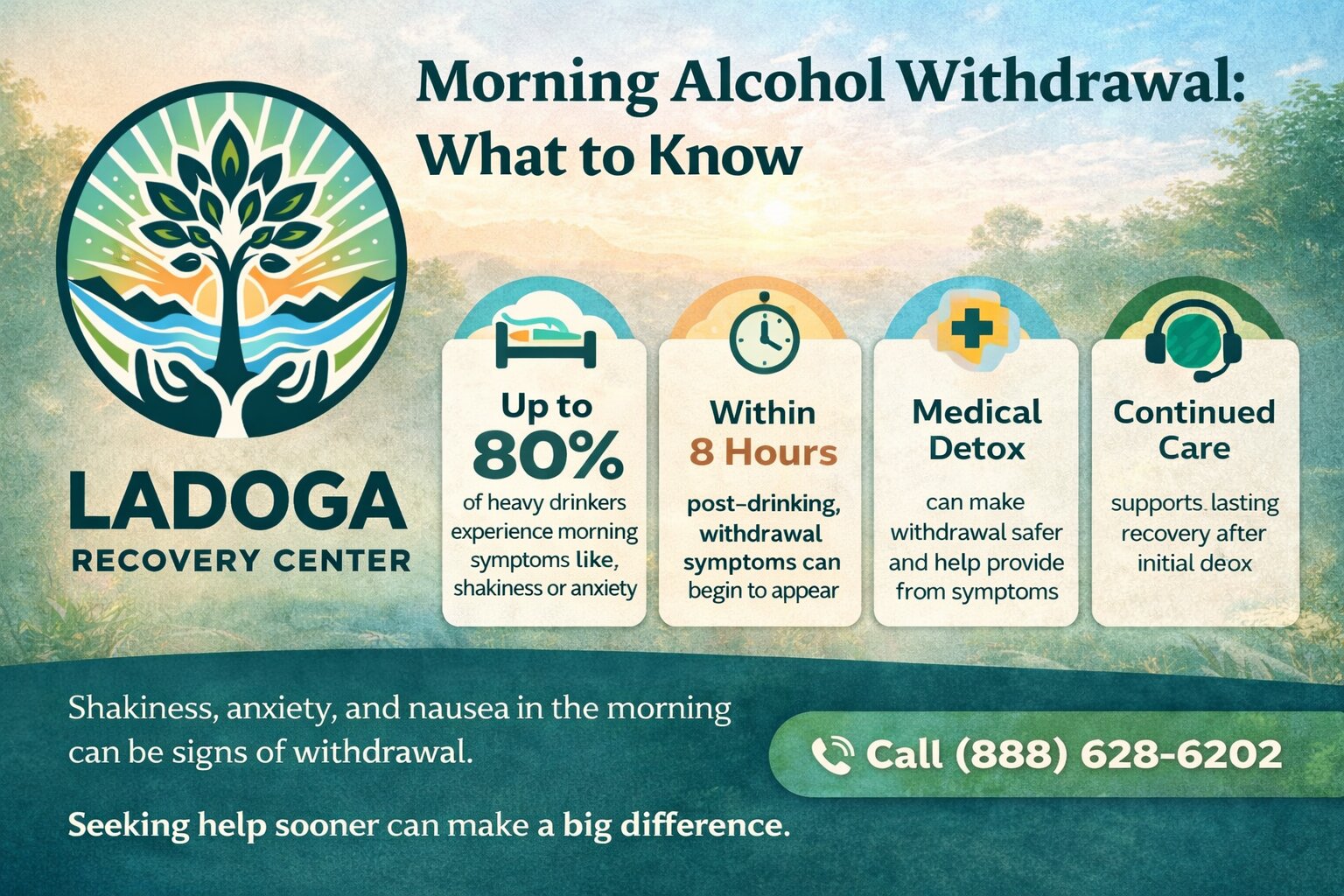
Alcohol affects your body long after the last drink. Even if you’re not drinking in the morning, your system is still adjusting to the absence of it.
Over time, your brain begins to rely on alcohol to regulate certain functions—like calming your nervous system or helping you sleep. When it’s suddenly not there, your body can react.
That reaction can look like:
- Shakiness or trembling
- Sweating or feeling overheated
- Restlessness or anxiety
- Nausea or loss of appetite
- A sense of unease that’s hard to explain
Many people end up searching phrases like morning alcohol withdrawal symptoms because they’re trying to understand if what they’re feeling has a name.
Not for a label—but for reassurance.
If that’s where you are, it may help to understand what support actually looks like, starting with detox treatment programs in Indiana.
The Myth of “I Should Be Able to Handle This”
There’s a quiet pressure a lot of people carry:
I caused this. I should be able to fix it.
So you try to adjust. Maybe you drink less. Maybe you switch routines. Maybe you tell yourself it’s just stress.
And for a while, it might feel manageable.
But if your body has started to depend on alcohol, this isn’t just about habits anymore. It’s about how your system has adapted over time.
Pushing through can start to feel like swimming against a current that keeps getting stronger.
That doesn’t mean you’re failing. It means your body is asking for a different kind of support.
What “Levels of Care” Actually Mean (Without the Overwhelm)
One of the biggest fears people have about treatment is not knowing what it really involves.
“Levels of care” might sound clinical, but it’s actually a flexible system designed to meet you where you are.
Here’s a clearer way to think about it:
Early or Flexible Support
You live at home and attend therapy or counseling sessions throughout the week. This works well if symptoms are mild and you have a stable routine.
Structured Daytime Care
You spend several hours a day in treatment, multiple days a week, but still return home at night. This offers more consistency without full-time residence.
Live-In Treatment
You stay at a treatment center with 24/7 support. This is helpful when your environment or symptoms make it hard to stabilize on your own.
Medical Detox
This is often the starting point for people experiencing physical dependence. It’s short-term, medically supervised, and focused on helping your body safely adjust.
Each level exists for a reason. And you don’t have to guess which one is right—part of the process is helping you figure that out.
Where Detox Fits In—and Why It Matters
Detox isn’t about “fixing everything.” It’s about creating a safe starting point.
When your body has become used to alcohol, stopping suddenly can feel intense. In some cases, it can even be dangerous without medical support.
Detox programs are designed to:
- Monitor your physical symptoms
- Help manage discomfort safely
- Provide a calm, structured environment
- Prepare you for the next step in care
It’s not about pushing you into something overwhelming. It’s about giving your body space to stabilize.
From there, real recovery work begins—at a pace that feels possible.
What Happens After Detox?
This is a question a lot of people have—but don’t always ask.
Detox is the first step, not the full solution.
After detox, many people transition into:
- Structured daytime care for continued support
- Therapy to understand patterns and triggers
- Skill-building to manage stress without alcohol
- Community support to reduce isolation
Recovery isn’t about removing something and leaving a gap. It’s about building something sustainable in its place.
A Moment That Feels Familiar to Many
“I didn’t think I had a problem because I wasn’t drinking all day. But every morning felt worse than the last. I started dreading waking up. That’s when I knew something had to change.”
— Former Client
There’s often no dramatic turning point.
Just a growing awareness that something isn’t working anymore.
And a quiet decision to look at it honestly.
You Don’t Have to Wait Until It Gets Worse
There’s a common belief that you have to hit a breaking point before reaching out.
That belief keeps people stuck longer than they need to be.
You’re allowed to ask questions now.
You’re allowed to explore options now.
You’re allowed to want something different—even if things “aren’t that bad.”
If you’re considering your next step, exploring support in Indiana can be a simple place to begin.
What Taking the First Step Can Actually Look Like
Starting doesn’t mean committing to a lifetime change overnight.
It might look like:
- Calling and asking a few questions
- Learning what your body is going through
- Understanding your options without pressure
- Letting someone help you make sense of it
You don’t need to have everything figured out.
You just need to be willing to take one step.
Frequently Asked Questions
Is it normal to feel shaky or anxious after drinking the night before?
It’s more common than people realize, especially if drinking has been consistent. These feelings can be your body adjusting to the absence of alcohol. If it’s happening regularly, it’s worth paying attention.
Does this mean I’m addicted?
Not necessarily—but it can be a sign that your body is developing dependence. You don’t need to label it right away. What matters is understanding what’s happening and deciding what support might help.
Can I detox at home?
Some people try to, but it can be uncomfortable and, in certain cases, unsafe. Medical detox programs exist to make this process more stable and supported.
How long does detox take?
It varies, but most detox programs last a few days to about a week. The goal is to help your body stabilize safely before moving into the next phase of care.
What if I’m scared of treatment?
That’s completely normal. Most people feel uncertain at first. You don’t have to commit to everything—you can start by just having a conversation and learning what your options are.
Will I lose my job or routine if I seek help?
Not always. There are different levels of care designed to work with your life, not against it. Some options allow you to continue working while getting support.
A Gentle Next Step
If this feels familiar, you don’t have to keep navigating it alone.
Call (888) 628-6202 or visit our levels of care for addiction treatment in Indiana to learn more about our levels of care for addiction treatment in Indiana, detox treatment programs in Indiana, alcohol detoxification treatment program in Indiana.
You’re not weak for feeling this.
You’re aware. And awareness is where change begins.